As an Amazon Associate, we earn from qualifying purchases. Some links on this site are affiliate links at no extra cost to you. Our recommendations are based on thorough research and editorial judgment.


Folding And Storing Heated Blankets The Right Way

To fold and store heated blankets properly, first unplug the blanket and allow it to cool for 15-30 minutes. Fold the blanket in thirds lengthwise to minimize creases and then in half widthwise. Store in a cool, dry location, ideally between 60°F and 75°F, using breathable cotton bags to control humidity. Inspect for damage before storage and guarantee it is completely dry. Proper techniques prevent wear and enhance safety, securing longevity. Further details on care and maintenance can enhance the process.
Key Takeaways
- Unplug the heated blanket and allow it to cool for 15 to 30 minutes before folding and storing.
- Fold the blanket in thirds lengthwise, minimizing sharp creases, and then fold widthwise for compactness.
- Roll the blanket loosely for travel, securing it with a soft tie to prevent deformation.
- Store the blanket in a breathable cotton bag, keeping it in a cool, dry area between 60°F and 75°F.
- Regularly inspect the blanket for wear and ensure it’s completely dry before storage to prevent mold and mildew.
Unplugging and Cooling Before Folding
You may be interested



Before folding a heated blanket, it is vital to unplug it from the power source. This act not only follows correct unplugging procedures but also eliminates any risk of electrical shock or fire. Additionally, heated blankets must be allowed adequate cooling times to prevent damage. Proper cooling can vary, often requiring 15 to 30 minutes, depending on the thickness of the blanket and ambient temperature. A warm blanket risks deforming internal wiring and pose burn hazards. During this cooling phase, inspecting for any signs of wear or moisture is vital. This practice guarantees that the blanket remains functional and safe, extending its lifespan by reducing stress on the heating elements and mitigating potential hazards related to overheating. Moreover, adhering to safety features ensures that users maintain a worry-free experience with their heated blankets.
Proper Folding Techniques

Proper folding techniques are essential for maintaining the functionality and longevity of heated blankets. Employing effective folding strategies guarantees proper blanket organization and protects internal wiring. First, lay the blanket flat on a clean surface to distribute pressure evenly. Fold it in thirds lengthwise, minimizing sharp creases that could stress fragile wires. Soft, rounded folds are preferable, as tight bends may cause damage. After achieving the desired shape, fold the blanket again widthwise to compact it further, while avoiding overly bulky folds that might crush components. For travel, loosely roll the blanket and secure it with a soft tie. Throughout the process, focus on gentle handling to preserve integrity and functionality, promoting ideal usage and extending the blanket’s lifespan. Additionally, ensuring safety features such as built-in overheating protection can further enhance the blanket’s durability and user experience.
Recommended Products

Full-wrap design with insulated removable top, rated for extremely cold temperatures as low as -60 F / -51 C.

Powerful yet Compact: Featuring 1,500W AC output and an impressive 3,000W surge peak for each, this Solar Generator 1000 V2 bundle can simultaneously power multiple heavy-duty appliances, including AC units, refrigerators, and electric cookware. With a total capacity of 2,140Wh (1,070Wh each) and each weighing just 23.8 lbs with foldable handles, this bundle offers portability and exceptional performance, ideal for extended outdoor camping, road trips, or emergency preparedness.

[Power Comfort] Recline, Heat & Massage – Effortless Control: Side‑button power recliner — no remote needed. Smoother than manual recliners, ideal for seniors or limited mobility. Two graphene heating pads (113°F, 40% deeper penetration than carbon fiber) & gentle massage target lower back. Separate remote fine‑tunes intensity. Perfect RV loveseat recliner for long drives. 12V low‑voltage system — 32% more efficient than traditional carbon fiber — soothes sore muscles without draining your RV battery.
Storage Location and Conditions

The ideal storage environment for heated blankets is essential in preserving their functionality and durability. Maintaining storage temperatures consistently between 60°F and 75°F protects the blanket’s fibers and electrical components from damage. Excessive heat can harm fibers and degrade wiring, while cold conditions may lead to brittleness in plastic parts. Humidity control is equally important; storing blankets in environments with a relative humidity of 45-50% minimizes the risk of mold or mildew. Ideal locations include household closets or cabinets that experience minimal temperature fluctuations, avoiding damp areas like basements or garages. Using climate-controlled environments and breathable cotton bags allows for air circulation and reduces moisture accumulation, ensuring long-lasting performance and reliability of heated blankets. Additionally, selecting blankets with advanced insulation can further enhance their durability during storage.
Recommended Products

This 330 gallon DEF tote heating blanket fits snugly around the ibc tote to ensure heat is spread evenly and consistently to protect diesel exhaust fluid

Designed to be durable and weather resistant
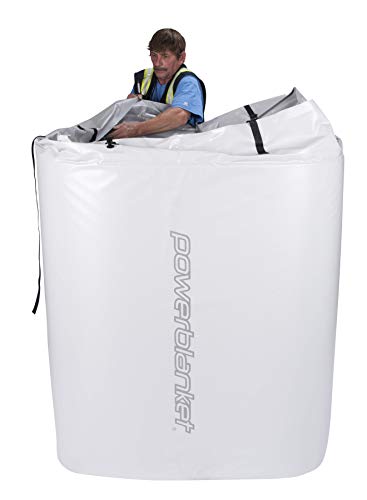
Adjustable temperature from ambient up to 145 °F / 62 °C (± 5 °F / 3 °C)
Safety Precautions for Long-Term Storage
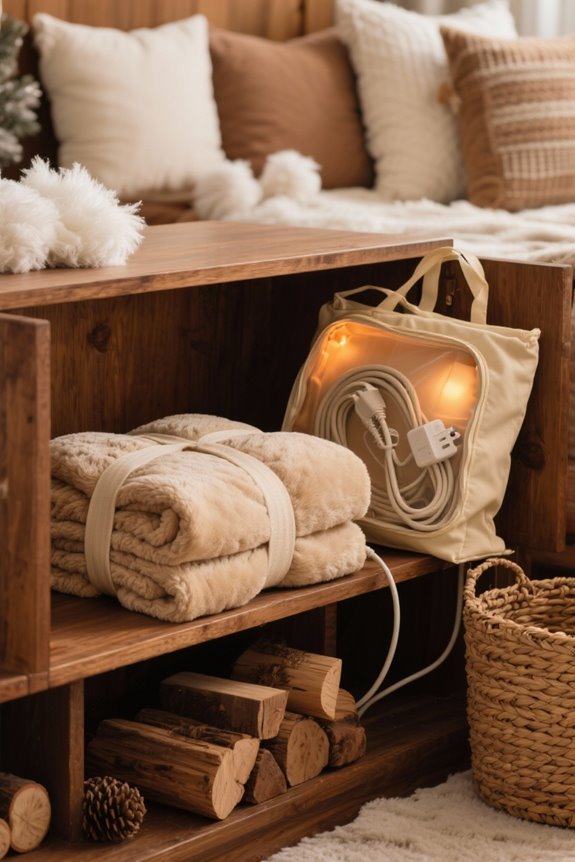
Ensuring the safety of heated blankets during long-term storage requires careful attention to several critical precautions. Always unplug the blanket to prevent electrical hazards, and do not leave it plugged in while stored. Proper moisture control is essential; store the blanket in a cool, dry space to avoid mold and electrical damage. Utilize breathable storage bags to enhance pest prevention, protecting the blanket from dust and potential insects. Regularly inspect the blanket for signs of wear or damage before and during storage, replacing any that are older than ten years. Maintain ventilation in the storage area and avoid stacking heavy items on the blanket. Following these safety practices enhances longevity and reduces fire risks associated with heated blankets. Additionally, consider the weight recommendations for maximum effectiveness when using the blanket, as proper weight can enhance relaxation.
Handling and Maintenance Practices
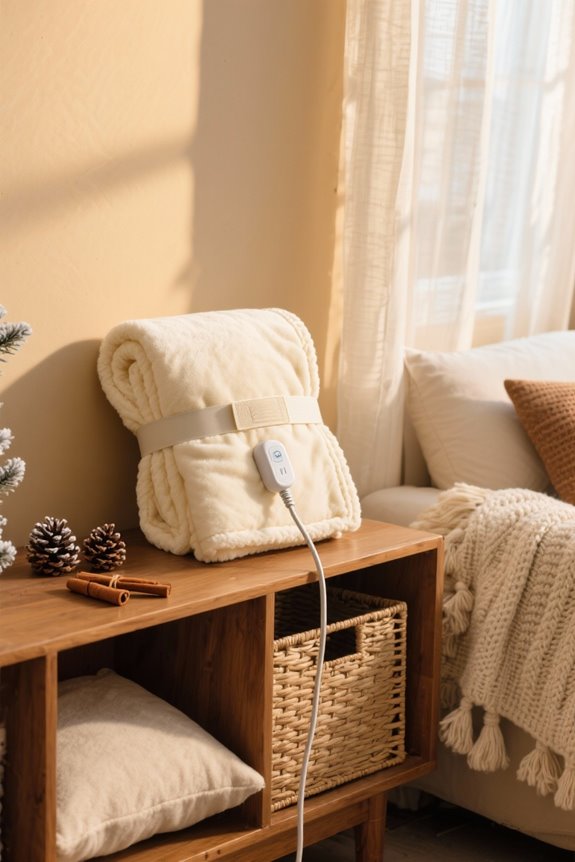
Handling heated blankets requires careful attention to maintenance practices that guarantee safety and longevity. First, always disconnect power cords and controls before any maintenance to avoid electrical hazards, ensuring blanket longevity. Next, gently detach cords along the edges to prevent internal wiring damage. It is essential to inspect for worn or exposed wires, as using a compromised blanket poses risks. Washing guidelines include using cold water and mild detergent on a gentle cycle, while hand washing remains an option. Avoid harsh chemicals to protect fabrics and wiring. After washing, air dry the blanket completely in a shaded area, as direct sunlight can cause harm. Regular inspections, at least twice per season, help detect wear early, maintaining overall blanket performance. Additionally, heated blankets often come with multiple adjustable heat settings, allowing users to customize their warmth for optimal comfort.
Recommended Products

Premium 316 Stainless Steel for Maximum Durability & Safety: Engineered with high-grade 316L stainless steel, this FireSafe Chimney Liner Kit + insulation offers exceptional strength and flexibility. Its 7-ply seams and 10 corrugations between each seam create a gas- and watertight barrier, helping prevent chimney fires and carbon monoxide leaks while ensuring long-term structural integrity.

FAR INFRARED HEAT PENETRATES DEEP: Carbon fiber wires emit 5–14 µm far infrared waves up to 1.5 inches into muscle and fat — warming your body from within, no hot air, gentler on sensitive skin than a traditional sauna
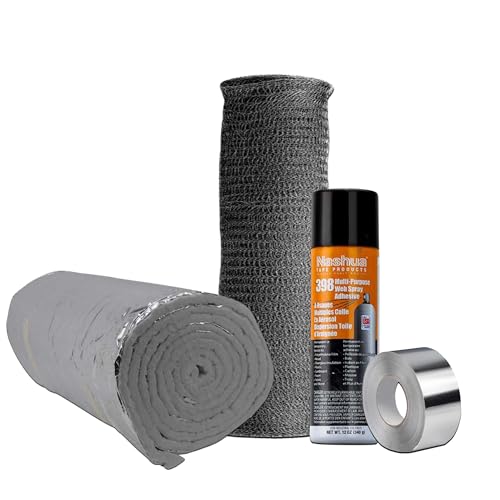
Premium Chimney Insulation for Safety & Performance: Engineered with a 1/2" thick Premier Wrap and reinforced foil facing, this insulation wrap enhances thermal protection around your stainless steel liner. Helps maintain flue temperature consistency while minimizing creosote formation during use.
Benefits of Proper Folding and Storage
Proper folding and storage of heated blankets yield a multitude of benefits that greatly enhance their performance and longevity. A benefits overview reveals long-term advantages, such as extending product lifespan by preventing bends and creases that can damage internal wiring. Loosely folding or rolling avoids pressure on wires, which minimizes malfunctions and adds durability. Correct storage also boosts safety by reducing fire hazards, as well as maintaining ideal heating performance through consistent heat distribution. Minimizing physical stress and environmental exposure further decreases the likelihood of repairs or replacements and upholds cleanliness. Storing blankets properly contributes to overall hygiene by preventing dust accumulation, ensuring the blankets remain safe for future use and enjoyability. Additionally, following manufacturer care instructions can significantly enhance the longevity and safety of your heated blanket.
Inspecting Your Heated Blanket
Inspecting a heated blanket is essential to guarantee safety and maximum performance over time. A thorough visual inspection includes checking for frayed wires, scorch marks, and fabric tears. Inspecting the power cord and plug for damage is also vital. Regular electrical testing involves using a multimeter for continuity and resistance within the heating elements, ensuring proper function. Identifying cold or hot spots during operation helps detect functional issues. Auto-shutoff features and compliance with safety standards, such as UL certification, contribute to safe blanket usage. Routine assessments can prevent potential hazards, ensuring the blanket operates efficiently, and provides peak warmth. Conducting these inspections regularly reinforces peace of mind when utilizing heated blankets in colder months. Additionally, blankets with auto shut-off technology can enhance safety by preventing overheating during prolonged use.
Best Practices for Cleaning Before Storage
When preparing to clean a heated blanket before storage, it is crucial to follow specific steps to guarantee its longevity and performance. First, disconnect the power cord and control unit, preventing damage. Shake it gently to remove loose debris. Consulting the manufacturer’s care label is important to determine appropriate cleaning methods. For machine washing, use a delicate cycle with mild detergent, avoiding fabric softeners. Hand washing involves soaking in warm water with compatible detergent for 10–15 minutes before rinsing thoroughly. Always avoid bleach and harsh chemicals to protect the blanket’s components. Finally, verify the blanket is completely dry before storage, lowering the risk of mold or mildew. Following these practices verifies the heated blanket remains in prime condition. Additionally, regular inspection for safety assurance is essential to ensure the blanket’s components are intact and functioning properly.
Recommended Products

SUPER SOFT NON SHEDDING - Thomas Collection Luxury Designer Faux Fur Throw Blanket and Bedspread, Brown Taupe Premium Quality Super-Soft Fake Fur for Couch Sofa and Bedding, **You Have Selected >>> 16406 - 60W x 96L Throw

SNAG-FREE THERMAL BLANKET: Linteum Textile Supply soft blankets are ideal for providing the desired warmth and insulation by forming a warm layer on the skin. It is finished with a block pattern and hemmed with double-needle stitching. Our blankets come in a generous size of 74x100 inches which fits all hospital beds and are long-lasting and durable.

Soft and Aesthetic Rug: This 10'x14' area rug features chic, faded floral motifs in a vintage color palette.Blending retro,abstract and boho styles, it complements any décor. Made from durable faux wool, it’s luxuriously soft—perfect for barefoot comfort
Avoiding Common Storage Mistakes
Storing a heated blanket correctly can greatly extend its lifespan and performance. One of the common pitfalls involves tightly folding the blanket, which can lead to internal wire damage. Instead, it is advisable to roll the blanket gently from one end, which minimizes creases and reduces tension on the wires. Additionally, storing the blanket flat, if space allows, further protects its internal components. It’s vital to keep the blanket in a cool, dry location, away from direct sunlight and heat sources to prevent overheating and moisture buildup. Inspecting the blanket for wear, such as frayed wires, before storage is essential to avoid potential hazards. By following these storage instructions, owners can greatly prevent blanket damage and guarantee longevity. Furthermore, considering safety features can enhance the overall user experience and protect against potential risks.
Recommended Products

【Expanded Power System with Two Batteries】This bundle includes the AFERIY P310 Portable Power Station along with two compatible Expansion Battery Packs, configured to significantly increase your total energy storage capacity. The power station and expansion batteries are shipped in three separate packages.

[5120Wh Huge Capacity & 3600W Pure Sine Wave] The P5000 Pro solar generator delivers 5120Wh of energy and a 3600W pure sine wave inverter, easily powering heavy-duty devices like refrigerators, microwaves, electric blankets, power tools, and more. Whether for home backup, off-grid camping, or job sites, it keeps you running for days.

This unit heater’s pull-through design draws air in across the heating element, so it runs cooler while providing an even blanket of comfort across its output range.
Understanding Manufacturer Guidelines
Understanding the manufacturer guidelines for heated blanket storage is crucial for guaranteeing safety and extending the product’s life. Proper storage environments should be cool and dry, avoiding locations like basements or garages that can promote mold. Using breathable cotton storage bags is essential for moisture control, which helps prevent mildew growth. For blanket longevity tips, it is recommended to keep stored blankets on shelves, away from direct heat sources. Before storage, make sure the blanket is completely dry, disconnect all cords, and inspect for damage. Loose folding is preferred to avoid straining internal wires. Always follow manufacturer instructions for specific care and handling techniques to optimize both safety and blanket performance. Additionally, ensuring that the blanket has effective safety features is important to maintain its integrity during storage.
Protecting Your Blanket From Sunlight and Heat
To protect heated blankets from the damaging effects of sunlight and heat, careful considerations must be made regarding their storage conditions. Exposure to direct sunlight can lead to sunlight damage, such as fabric fading and UV degradation of synthetic fibers. In addition, excessive heat may harm internal wiring and components, affecting functionality. To guarantee heat protection, blankets should be stored in a cool, shaded location, ideally below 77°F (25°C). Avoid placing them near radiators or heaters, and allow blankets to cool completely before folding. Using breathable, opaque fabric covers can also be beneficial, preventing moisture accumulation. By adhering to these guidelines, owners can remarkably prolong the life and effectiveness of their heated blankets, promoting safety and operational integrity.
Ensuring a Safe Storage Environment
A safe storage environment is vital for the longevity and functionality of heated blankets. Ideally, heated blankets should be stored in approved storage containers designed to protect them from dust while allowing proper air circulation. This minimizes the risk of mildew or mold growth. Humidity control is also essential; blankets should be kept in cool, dry places to prevent moisture buildup that can lead to electrical faults. Exposure to extreme temperatures should be avoided, as this can compromise insulation integrity. Regular inspections, prior to storage, should check for damage to wiring or insulation. Following manufacturer guidelines will guarantee proper maintenance and enhance safety, ultimately prolonging the blanket’s life and maintaining its effectiveness for future use.
Frequently Asked Questions
Can I Fold My Heated Blanket When It’s Damp?
Folding a damp blanket is not advisable due to potential damage. It is essential to follow drying tips, ensuring the blanket is completely dry before storage to prevent electrical hazards and maintain safety standards.
How Often Should I Inspect My Heated Blanket?
Like a cautious driver checking their mirrors, a heated blanket should be inspected regularly; adhering to a maintenance schedule of pre-use inspections and annual checks guarantees safety precautions are taken to prevent accidents and damage.
What Should I Do if My Blanket Smells Musty?
To eliminate a musty odor, thorough blanket maintenance is essential. Wash with mild detergent and vinegar, dry completely, air out regularly, and store in ventilated spaces to prevent moisture and mildew accumulation.
Can I Use My Heated Blanket Outside?
Studies show that 30% of outdoor enthusiasts utilize heated blankets for warmth during events. However, users must prioritize heated blanket safety, ensuring proper placement away from water and maintaining ventilation for safe outdoor usage.
What Materials Should I Avoid Using for Storage Bags?
When considering storage bag materials, it is essential to avoid plastic and non-breathable options that promote moisture retention. Additionally, chemical-treated bags can damage the blanket, compromising its integrity and safety over time.


