As an Amazon Associate, we earn from qualifying purchases. Some links on this site are affiliate links at no extra cost to you. Our recommendations are based on thorough research and editorial judgment.


Cooling Gel Pillows: How They Regulate Temperature

Cooling gel pillows regulate temperature through innovative cooling gel technology and phase change materials (PCMs). These materials absorb and release heat, maintaining an ideal sleeping temperature of 32°C to 34°C. Gel-infused memory foam enhances comfort while facilitating airflow. This structure promotes effective heat conduction and moisture management, reducing sleep latency by nearly 36% and improving NREM sleep quality. These features support deeper, restorative sleep. Further insights reveal additional benefits of cooling gel pillows for overall health and comfort.
Key Takeaways
- Cooling gel pillows utilize gel layers that conduct heat away, remaining cool to the touch for a more comfortable sleep experience.
- Phase Change Materials (PCMs) within the gel adapt to body temperature, absorbing excess heat or releasing it to maintain consistent comfort.
- Gel-infused memory foam promotes airflow and moisture dissipation, enhancing the cooling effect compared to traditional memory foam pillows.
- An ideal sleep temperature reduces sleep latency and enhances sleep efficiency, contributing to deeper, restorative slow-wave sleep.
- Cooling gel pillows provide firmer support, aiding spinal alignment while regulating temperature, unlike traditional pillows that may trap heat.
Understanding Cooling Gel Technology
You may be interested


Cooling gel technology utilizes advanced materials to create a more comfortable sleeping environment by actively managing heat. The essence of gel science in this instance revolves around effectively manipulating temperature dynamics. Gel layers work through conduction, transferring heat from the sleeper’s head and face into the gel, which remains cool to the touch. Embedded within memory foam, the cooling gels absorb body heat and redistribute it, preventing overheating during sleep. Gel can be applied as a surface layer or infused as beads within the foam, maintaining a lower temperature over time without discomfort. Some designs combine cooling gel with ventilated foam to enhance airflow, further improving the cooling effect by dissipating moisture and heat, creating a balanced sleep climate throughout the night. This technology parallels the functionality of Adhesive Body Warmers which also work to provide consistent temperature regulation in outdoor conditions.
The Role of Phase Change Materials (PCMs)

Phase Change Materials (PCMs) play an essential role in the functionality of cooling gel pillows, providing a sophisticated method for temperature regulation. These substances, remarkable for their high latent heat capacity, absorb or release significant energy during phase alterations between solid and liquid. PCM applications in cooling pillows facilitate effective heat management; they absorb excess body heat as the sleeper’s temperature rises, evolving from solid to liquid. When it cools, PCMs revert to a solid state, releasing stored heat and maintaining comfort. The pcm advantages include energy efficiency due to passive operation without power requirements and longevity, as these microencapsulated materials endure numerous cycles. Overall, PCM-enabled pillows efficiently create a stable microclimate, enhancing sleep quality and comfort throughout the night. Additionally, the incorporation of memory foam in cooling gel pillows can further enhance their comfort and support.
How Gel-Infused Memory Foam Works

Gel-infused memory foam represents an advanced innovation in sleep technology, designed to enhance comfort and regulate temperature effectively. During its production, gel infusion occurs by incorporating gel microbeads or liquid into the foam matrix before solidification, maintaining the foam’s contouring properties. This combination facilitates efficient heat conduction, allowing the gel to absorb and dissipate body heat more effectively than traditional memory foam. Enhanced airflow channels promote ventilation, which further aids in temperature regulation. As a result, gel-infused memory foam provides a cooler sleeping surface, minimizing heat retention that often leads to discomfort. Additionally, it retains the soft feel and body-supporting qualities of traditional memory foam, making it suitable for various sleeper types while maintaining moisture management. Furthermore, air purifiers can complement a cool sleeping environment by ensuring cleaner air quality, which is essential for restful sleep.
Recommended Products

PROVEN RELIEF WITH COOLING COMFORT: Mediflow’s Cooling Gel Memory Foam Water Pillow is clinically proven to reduce neck pain and enhance sleep quality. This Business Pack of 7 pillows is ideal for clinics, hotels, wellness programs, or as premium wellness gifts for employees and clients.

COMPLETELY CUSTOMIZABLE: Our patent-pending LAYR pillow is the world’s first FULLY customizable pillow. Customize both the firmness & loft of your pillow to your exact specifications using our unique, adjustable inserts. Find your ideal configuration, then adjust each insert independently by adding or removing fill to fine-tune and find YOUR perfect pillow.

Double the comfort: Includes two premium TEMPUR-Cloud Dual Cooling pillows
Benefits of Temperature Regulation for Sleep Quality

Ideal temperature regulation plays a significant role in enhancing sleep quality, impacting both sleep onset and maintenance. Maintaining a suitable sleep temperature—around 32°C to 34°C—supports skin temperature and improves sleep efficiency. A slight increase in proximal skin temperature can reduce sleep latency by nearly 36%, facilitating quicker sleep onset. Additionally, adequate thermal regulation promotes deeper slow wave sleep, fundamental for restorative processes. Studies indicate that maintaining a comfortable microclimate can decrease early-morning awakenings and enhance NREM sleep consolidation. Conversely, sleeping at non-ideal temperatures correlates with lower overall sleep quality and increased mood disorders, particularly in younger adults and women. As a result, managing sleep temperature is essential for achieving quality rest and effective daily functioning. Furthermore, maintaining optimal humidity levels in the sleeping environment can further enhance overall sleep comfort and quality.
Mechanisms of Heat Absorption and Release

Cooling gel pillows utilize advanced materials and methods to effectively manage thermal dynamics, guaranteeing a comfortable sleep environment. These pillows feature tiny beads that absorb heat from the head and neck through a phase change process, transforming from solid to liquid. This heat retention continues until the gel reaches its maximum liquid state, optimizing cooling duration. Direct contact conduction enhances heat absorption, following a thermal gradient—absorbing more heat when in contact with a warmer body. As ambient temperature drops, the gel releases stored heat, solidifying and maintaining a steady cooling effect. This cyclic process guarantees effective temperature regulation, maximizing comfort throughout the night while preventing overheating, ultimately supporting restful sleep for the user. Additionally, the use of natural materials in products like cooling gel pillows ensures a more eco-friendly choice for consumers.
Advantages of Ventilation Channels
Ventilation channels greatly enhance the overall effectiveness of cooling gel pillows, providing numerous benefits that contribute to better sleep quality. These channels promote airflow dynamics, facilitating continuous air circulation that reduces trapped heat and moisture. Consequently, pillows equipped with ventilation channels cool down faster when flipped, maintaining a lower surface temperature. Enhanced moisture management occurs through effective sweat evaporation, combating discomfort and preventing mold growth. These ventilation benefits foster an improved sleeping environment, minimizing dampness and promoting hygiene. Additionally, pillows with this design support spinal alignment while alleviating pressure points, ensuring comfort for diverse sleep positions. Overall, the integration of ventilation channels appreciably extends the longevity of pillow materials, contributing to sustained performance and user satisfaction. Furthermore, the use of breathable materials in pillow construction enhances the cooling effect and overall comfort.
Recommended Products
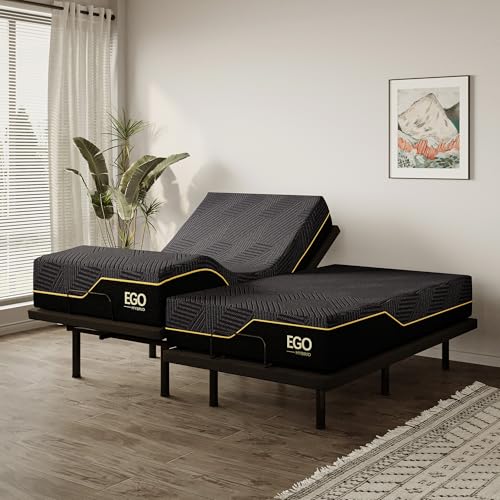
INDEPENDENT HEAD AND FOOT INCLINE-Independent Head (0-60 degrees) and Foot (0-45 degrees) Incline. You can easily sit up in bed to watch TV, work on a laptop, or read a book without extra pillows and experience exceptional back support that relieves nerve and joint pressure all night.

This twin bed mattress comes compressed in a box with both a 100-Night Sleep Trial and 10 Year Limited Warranty and is certified by both CertiPUR-US and GREENGUARD Gold; Please allow two weeks of use for your mattress to break in and air out

Balanced Support And Comfort: Suiforlun 14 inch hybrid mattress combines the firm support of individually encased coils with the body-conforming comfort of gel memory foam for an optimal sleep experience. Euro top provides additional cushion and pressure relief, which is beneficial for people with lower back pain.
The Importance of Breathability in Pillows
Breathability in pillows is critical for promoting a comfortable and healthy sleep environment. Pillows constructed with hollow fiber structures enhance airflow, preventing heat retention while reducing moisture buildup. Natural fiber fillings, such as kapok, are effective in maintaining breathability due to their unique hollow structures, similar to down feathers. Additionally, breathable materials like cotton and wool allow for high water vapor permeability, which aids in effective sweat evaporation. Wool, in particular, excels with superior thermal comfort due to its moisture management capabilities. By incorporating these materials, pillows help minimize allergens, such as dust mites, thereby promoting better respiratory health. Ultimately, breathability supports extended sleep periods by dissipating body heat and creating a fresher, more hygienic sleeping surface. Furthermore, just as heating pads provide customizable warmth for comfort, breathable pillows offer temperature regulation for a restful night’s sleep.
Moisture-Wicking Features for Enhanced Comfort
Moisture-wicking features are frequently crucial for enhancing overall comfort in sleeping environments. Effective moisture management relies on advanced fabric types like bamboo and Tencel, which pull moisture away from the skin. This process encourages easier evaporation, resulting in a cooler surface during sleep. The technology works best when body heat increases, helping regulate temperature through heat removal. Cover designs facilitate airflow, allowing for improved moisture evaporation and preventing discomfort linked to excess humidity. Regularly washing and airing the pillow covers promotes hygiene and retains moisture-wicking effectiveness. Pillows featuring these fabrics, paired with cooling gel materials, offer a thorough solution for a comfortable sleep experience, essential for maintaining an ideal sleeping temperature and enhancing overall nighttime relaxation. Additionally, incorporating pillows with advanced fabric types can significantly contribute to effective moisture management and improved comfort.
Recommended Products
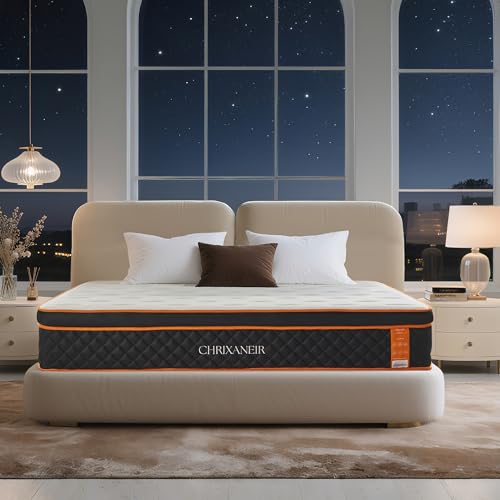
HOTEL-LIKE COMFORT EVERY NIGHT Wake up refreshed on this 14-inch medium firm hybrid mattress, combining contouring memory foam with supportive pocket springs for balanced comfort and lasting support.

3-Stage Heat Dissipation: Our TriCool Tech combines a breathable TENCEL cover, cooling gel memory foam and egg crate foam for better heat disperse, temperature regulation, and airflow increase. Our mattress features all the quality and durability to relieve pressure points for enhanced conforming comfort. This medium plush queen bed mattress is expertly engineered for sleepers who want a cooler and medium firmness feel.

ENHANCED COOLING GEL TECHNOLOGY – This deluxe cooling gel pillow features a thick gel foam layer that disperses excess heat for a refreshing sleep. Ideal for hot sleepers, it maintains airflow, keeping your head and neck cool all night while reducing overheating for deeper, more invigorating sleep.
Sustainability of Cooling Gel Pillows
The environmental impact of cooling gel pillows raises important questions regarding their sustainability. Most of these pillows utilize synthetic foams made from non-renewable petrochemicals, which require substantial energy and water for production. This contributes to carbon emissions and leads to pollution. Additionally, many cooling gel pillows are not biodegradable; they can take decades to decompose in landfills. While some brands use recycled materials, such as polyester derived from plastic bottles, this practice is not widespread. Eco-friendly alternatives, like organic latex or cotton pillows, offer biodegradable options and less environmental impact. Current research into plant-based gels could lead to more sustainable solutions, but such innovation remains minimal within the market. Overall, cooling gel pillows present sustainability challenges that need addressing. Moreover, the use of distilled or demineralized water in humidifiers can extend their lifespan and reduce environmental impact.
Comparing Cooling Gel Pillows to Traditional Pillows
When comparing cooling gel pillows to traditional pillows, several key factors emerge that can influence a sleeper’s choice. The comfort comparison shows that gel pillows typically offer firmer support, aiding spinal alignment for side and back sleepers, while traditional pillows often provide a softer, more adjustable feel. Regarding temperature retention, gel pillows initially absorb heat, but may warm up within minutes, limiting their cooling effect. Traditional pillows usually trap heat, lacking the active cooling features found in gel versions. However, during extreme heat, gel pillows may perform poorly, as their cooling capability diminishes. Overall, while cooling gel pillows excel in support and initial coolness, traditional pillows may best suit those prioritizing softness and moldability. Additionally, fleece loungewear sets provide exceptional warmth and comfort during colder months, making them a great option for cozy relaxation after a long day.
Recommended Products

NOVA LUXURY MEMORY FOAM MATTRESS: Featuring thermal gel memory foam for heat management and ventilation panels for continuous airflow, it ensures a consistently cool sleep. Skillfully designed for breathable support, it contours to your body, providing superior pressure relief by evenly distributing weight, reducing stress on crucial areas like shoulders and hips. Made with ultra-high-density foam, it guarantees lasting comfort and durability, resisting wear over time.

Our most supportive mattress paired with Snow Technology for 12+ hours of cooler sleep.

Unmatched Comfort & Adjustability: Elevate your sleeping experience with our head (up to 75°) and foot (up to 45°) lift mechanism, allowing for perfect positioning. The unique headboard hugger ensures you stay close to your nightstand, while the additional head (pillow) tilting provides personalized comfort. Lumbar support ensures your spine is well-supported throughout the night.
Effects of Cooling Pillows on Sleep Disorders
Numerous studies have explored the effects of cooling pillows on various sleep disorders, with particular emphasis on their potential benefits for conditions like obstructive sleep apnea (OSA) and insomnia. While these pillows aim to address temperature fluctuations, their impact on OSA treatment remains minimal. Though patient preference for cooling gel pillows is notable, improvements in CPAP therapy adherence and effectiveness were not observed. In cases of insomnia, there is a lack of substantial clinical evidence supporting the efficacy of cooling pillows in alleviating symptoms or enhancing sleep quality. Overheating remains a concern, as overheating can lead to sleepless nights. Ultimately, while cooling pillows may provide comfort, their role in managing sleep disorders appears limited and requires further investigation.
Ideal Sleeping Conditions With Cooling Technology
Achieving ideal sleeping conditions can considerably enhance sleep quality, particularly when incorporating cooling technology like gel pillows. Ideal bedroom temperatures range from 60°F to 68°F for most adults, promoting efficient thermoregulation and better sleep hygiene. In contrast, temperatures above 77°F correlate with a detrimental 5-10% drop in sleep efficiency. Cooling gel pillows help manage temperature variance by reducing heat retention, thereby maintaining a cooler microenvironment around the head and neck. During sleep, the body temperature naturally decreases, facilitating deep sleep phases. Proper temperature regulation, especially at night, helps prevent interruptions, particularly during sensitive REM periods. This stability supports overall sleep quality, enhancing the benefits of cooling technology for better rest and restoration.
Care and Maintenance of Gel Pillows
Proper care and maintenance of gel pillows greatly extend their lifespan and enhance performance. For ideal hygiene, a cleaning schedule should include washing pillow covers weekly with bedsheets, while gel pillows should be washed every 3–6 months. Many gel-infused memory foam pillows can be hand-washed with mild detergent and cool water, avoiding twisting. If machine washable, follow the manufacturer’s instructions carefully. After cleaning, air dry pillows flat on a clean towel in a well-ventilated area. To minimize wear, use a breathable pillow protector, and inspect regularly for signs of compression or odor. Following these guidelines, including immediate spot cleaning for spills, will guarantee the gel pillows remain comfortable and effective.
Choosing the Right Cooling Gel Pillow
Selecting the right cooling gel pillow involves evaluating various factors to guarantee ideal comfort and support. First, understanding gel pillow types is essential, as options include gel-infused foams, gel layers, and gel fibers. These materials directly influence cooling performance. Breathability is another critical aspect; pillows featuring breathable covers allow for better airflow, enhancing cooling efficiency. Evaluating loft height matters as higher loft pillows promote air circulation, aiding in sustained cooling. For sleepers with specific needs, adjustable loft options can be beneficial. Finally, considering price and warranty coverage can help determine long-term satisfaction. By thoroughly analyzing these features, consumers can choose a cooling gel pillow that effectively suits their sleeping habits and preferences for optimal rest.
Recommended Products
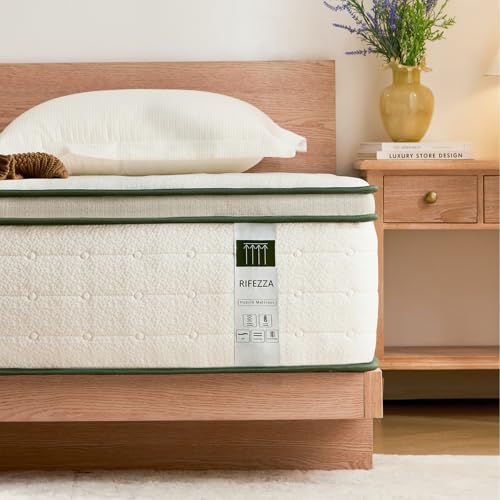
Roomy Hybrid Support for Primary Suites -- Plush Euro-Top comfort with gel memory foam contours while individually wrapped coils deliver buoyant medium-firm lift across a wider surface so couples can truly spread out. The button-tufted finish brings a tailored, hotel-inspired feel without sacrificing support or ease of movement.

【Like Sleeping on a Cloud, Relaxed All Night】The BEDingly hybrid california king mattress masterfully combines premium memory foam with enhanced pocketed springs. Whether you sleep on your back, side, or stomach, it precisely conforms to your body's contours, relieving pressure from head to toe. This allows your muscles to deeply relax, effectively easing back pain and eliminating fatigue, guiding you into a luxurious, cloud-like sleep experience.

THE PERFECT GIFT SET: The Scrumptious Side Pillow and custom fitted Scrumptious Pillowcase are everything you need to reduce neck pain, improve your sleep quality, and start waking up refreshed and full of energy. There is a reason Forbes voted Honeydew Sleep “The Best Pillow for Side and Back Sleepers”
How Cooling Gel Pillows Support Overall Health
Cooling gel pillows offer significant health benefits, particularly in sleep quality and musculoskeletal support. By maintaining an ideal sleep temperature, they enhance mood enhancement and provide a more restorative rest. These pillows facilitate reduced night awakenings and support natural melatonin release, which promotes a healthier sleep cycle. Additionally, their orthopedic design contributes to proper spinal alignment, alleviating neck and shoulder pain, thereby minimizing morning stiffness. Manufactured from hypoallergenic materials, cooling gel pillows also contribute to allergen reduction, lowering exposure to dust mites and mold. This supports respiratory health by decreasing allergy symptoms during the night. Overall, the combination of temperature regulation and musculoskeletal benefits fosters improved sleep quality, leading to better overall well-being.
Frequently Asked Questions
Can Cooling Gel Pillows Be Used With Standard Pillowcases?
Cooling gel pillows can generally be used with standard pillowcases, ensuring pillowcase compatibility. Properly fitted breathable cases minimize heat retention, enhancing cooling effects and providing a comfortable sleep experience while protecting the pillow from debris.
How Long Do the Cooling Effects of Gel Pillows Last?
The cooling duration of gel pillows typically lasts between minutes to 10 minutes after head removal, influenced by gel technology and room temperature, with effectiveness diminishing over time due to material degradation and usage conditions.
Are Cooling Gel Pillows Safe for Children?
Like a fortress protecting its inhabitants, cooling gel pillows prioritize child safety and mitigate allergen concerns. They must adhere to stringent safety standards, utilize non-toxic materials, and feature hypoallergenic properties to guarantee a secure sleeping environment for children.
Do Cooling Gel Pillows Have Any Odor When New?
Cooling gel pillows may have a noticeable odor when new, primarily due to the gel composition and underlying foam. This scent usually dissipates within a few days, allowing the cooling properties to shine through effectively.
Can I Freeze a Cooling Gel Pillow for Extra Cooling?
Freezing a cooling gel pillow offers temporary cooling relief, but pillow care needs consideration. The cooling mechanisms could promote moisture buildup and degrade materials, leading to hygiene issues and reduced effectiveness over time.