As an Amazon Associate, we earn from qualifying purchases. Some links on this site are affiliate links at no extra cost to you. Our recommendations are based on thorough research and editorial judgment.


Electric Heated Blankets: How They Work

Electric heated blankets operate by converting electrical energy into thermal energy through resistive heating. This process follows Joule’s Law, where heat generated increases with current flow through resistive materials like copper wires. Standard models feature adjustable temperature settings and built-in safety mechanisms, such as automatic shut-off after 10-12 hours. Constructed from durable, flame-resistant fabrics, these blankets enhance user experience by providing customizable warmth while minimizing energy consumption. Further insights reveal more about their materials and technology advancements.
Key Takeaways
- Electric blankets work by converting electrical energy to thermal energy through resistive heating, following Joule’s Law (H = I^2 R t).
- Heating elements made of conductive materials, like copper or nickel alloys, provide effective heat distribution throughout the blanket.
- Adjustable temperature controls and built-in thermostats allow users to regulate warmth while preventing overheating.
- Insulation materials protect users from electrical shock and retain warmth, enhancing both safety and comfort.
- Modern electric blankets feature automatic shut-off functions to reduce overheating risks and comply with safety standards.
The Basic Principle of Electric Heating
You may be interested


Electric heating relies on a fundamental physical principle known as the heating effect of electric current. When electric current flows through a conductor, such as a resistive wire, electrical energy is converted into thermal energy because of electrical resistance. This phenomenon, defined by Joule’s Law, shows that the heat produced is proportional to the square of the current ((H = I^2 R t)). Consequently, higher resistance leads to increased heat generation for a given current, making material selection critical. According to Ohm’s Law, voltage and resistance directly affect power output; as a result, designers must carefully choose materials with suitable resistivity to optimize heat. This efficient conversion is essential for many devices, including electric blankets, heaters, and industrial furnaces, with minimal energy loss. Additionally, safety features such as auto shut-off mechanisms enhance user confidence while using electric heating devices.
The Role of Heating Elements

Heating elements play an essential role in the functionality of electric blankets, providing the warmth that makes them desirable in colder conditions. Various heating element types are utilized, including conductive wires and silicone rubber heaters, which guarantee efficient heat distribution. These elements often comprise materials like copper and nickel alloys, known for their conductivity and material durability. Insulation around the wires prevents electrical shock, adding a critical safety feature. The design allows for strategic wire placement, securing even warmth across the blanket. Adjustable temperature controls are integrated to maintain consistent warmth and prevent overheating. Such considerations enhance user comfort while optimizing energy usage, ultimately leading to a safer and more effective electric blanket experience. Additionally, many electric heated blankets feature multiple adjustable heat settings, allowing users to customize their warmth according to personal preference.
Recommended Products
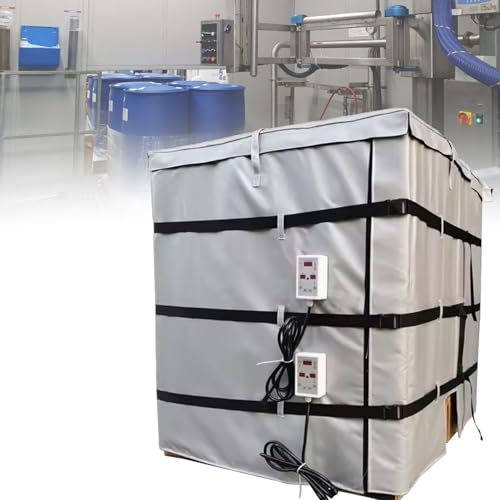
【IBC TONS HEATING BLANKET】264 Gallon (1000L) It can be heated by zone, with a detachable insulation cover on the top, and the barrel mouth insulation cover is designed with magic strap, which can be opened and closed

Quickly heats to a preset 100 °F / 38 °C (± 10 °F / 3 °C)

【Powerful and Portable】GRECELL power station supply has large 500W capacity (1000W surge) pure sine wave AC outputs and 440Wh capacity. Its outstanding features include high capacity, lightweight design (9.9 lbs) and superb portability. It is the perfect companion for camping, emergencies, traveling, RV trips and outdoor adventures
Temperature Regulation Methods

Typically, temperature regulation in electric blankets involves various advanced methods designed to enhance user comfort and safety. Many blankets feature customizable settings, allowing users to make thermostat adjustments that suit their preferences, with multiple heat levels available. Automatic shut-off mechanisms are also found in modern designs, which pre-warm beds and prevent overheating by turning off after a user-defined period. Built-in thermostats actively monitor temperature and energy usage, ceasing operations once the desired warmth is reached. Environmental factors, such as ambient temperature and humidity, can influence effectiveness. Additionally, incorporating safety features like overheat protection guarantees that safety remains a priority, thereby allowing for a more relaxing experience while utilizing the blanket. Many dual control heated blankets also provide personalized temperature choices, ensuring that couples can enjoy customized warmth while sharing the blanket.
Recommended Products
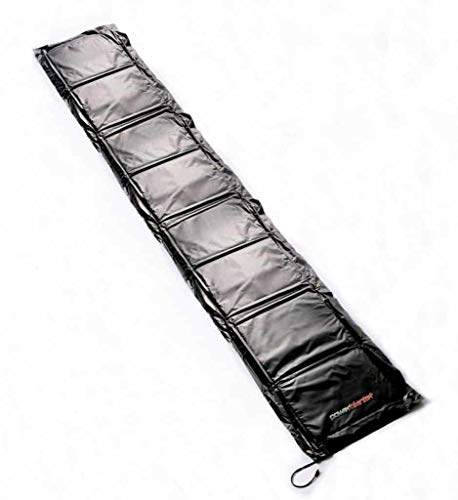
Quickly heats to a preset 100º F | 38º C (+ - 10º F/3º C)

Start sleeping better with on-demand cooling and heating comfort right in your own bed, works on any size bed including adjustable beds, simple and easy to use.

Order a surface or recessed enclosure, depending on your ceiling type and available install space. Surface mounting extends only 6 inches into the room, while the recessed enclosure requires only 7 inches of internal clearance.
Materials Used in Electric Blankets

Materials play an essential role in the construction and performance of electric heated blankets. The most common fabric composition includes polyester, prized for its durability and temperature-regulating properties. Cotton, fleece, and faux fur may also be utilized for comfort and aesthetic appeal. Insulation materials such as heat-resistant resins protect the delicate heating wires, typically made from nickel-chromium alloy or thin carbon fiber for superior heat distribution. Additionally, outer fabric layers provide insulation and prevent direct contact with the heating elements. Advanced models incorporate multi-layer safety systems, featuring overheat thermostats and thermoplastic layers to secure heating elements. These innovations contribute to functionality while ensuring user safety and blanket longevity, establishing a standard in modern electric heated blanket design. Furthermore, the incorporation of multi-layer safety systems enhances user protection against overheating, similar to safety features found in rechargeable hand warmers.
Recommended Products

PVC HEATING BLANKET: Makes it quick and simple to create bends with an 16-in. radius, offsets, or saddles in 3-1/2-in. to 4-in. PVC pipes

[Powerful yet Compact] - Boasting a 1,200W AC output and a 2,400W surge peak, the LiFePO4 Power Generator 1200-3 can power multiple appliances, including AC units, fridges, and electric pots. With a 1,008Wh capacity and a lightweight build of only 28 lbs, it is an excellent companion for outdoor camping, road trips, and emergencies.

Power and Energy Consumption

Understanding power and energy consumption is essential when selecting an electric heated blanket. Typical blankets consume between 50 and 150 watts, depending on size and heat settings. For instance, twin blankets usually operate at 50-70 watts, while king sizes may reach 100-150 watts. Lower heat settings, such as preheat and low, use around 30 to 50 watts, optimizing wattage efficiency and leading to energy savings. Users can calculate energy consumption by applying the formula: wattage × hours/1000 = kWh. A 100-watt blanket running for eight hours consumes approximately 0.8 kWh daily. Additionally, models featuring advanced technology dynamically adjust their power usage, contributing to additional energy efficiency and cost reduction. Awareness of these factors guarantees informed decisions when choosing electric heated blankets, especially considering the energy-efficient design that many models offer.
Safety Features in Electric Blankets
Safety features in electric heated blankets are vital for guaranteeing user protection and preventing hazards. Modern designs typically include automatic shut-off functions that activate after 10 to 12 hours of use, greatly reducing the risks of overheating and fire hazards. Users can customize their experience with adjustable temperature settings, while built-in sensors monitor heat levels continuously, mitigating localized hotspots. Additionally, these blankets are constructed using flame-resistant materials and robust electrical insulation, complying with fundamental safety standards, such as UL 964. To further promote safety, user precautions such as following manufacturer guidelines regarding blanket positioning and routinely inspecting for damage are recommended. Purchasing blankets with recognized safety certifications guarantees adherence to important safety protocols for comfortable, secure use. Many of the top-rated blankets also feature overheat protection to enhance user safety during extended use.
Recommended Products

Quickly heats to a preset 100º F | 38º C (+ - 10º F/3º C)

Safely heats cylinder to an optimal 90 ° F / 32 °C (± 10 °F/5 °C)
Quickly heats to a preset 100º F | 38º C (+ - 10º F/3º C)
Heat Distribution Techniques
Heat distribution techniques in electric heated blankets are essential for delivering consistent warmth and comfort to users. These blankets employ insulated wires or advanced carbon fiber elements, effectively generating heat when powered. The heating elements are strategically placed for even distribution, ensuring warmth efficiency. Insulation within the fabric enhances heat retention, preventing warmth from escaping while keeping it close to the user’s body. This localized heating approach focuses warmth directly where it is needed, rather than dispersing it throughout a room. Adjustable temperature settings allow for customization, catering to individual preferences. With power consumption ranging from 100 to 400 watts, electric blankets provide a cost-effective heating solution, considerably reducing energy footprint while enhancing user comfort. Many models also feature multiple heating levels, allowing users to choose their preferred temperature easily.
Enhancing User Experience
Enhancing user experience in electric heated blankets involves multiple facets that cater to the preferences and needs of individuals. Adjustable heat settings allow users to personalize warmth intensity, accommodating specific user preferences and environmental conditions. High-quality blankets with thicker materials heat quickly and retain warmth for extended periods, promoting enhanced comfort. Features such as auto-off timers guarantee energy efficiency while reducing risks of overheating. Additionally, blankets designed to maintain a stable temperature contribute to improved sleep quality, minimizing disturbances. Customizable sizes and fabric options further enhance usability, catering to diverse needs. Ultimately, these features work together to create a relaxing and tailored environment, fostering both immediate comfort and long-term satisfaction for users. Furthermore, incorporating natural materials in electric heated blankets can enhance their safety and eco-friendliness.
Recommended Products

FRAME: All Welded, Powder Coated, 12 Gauge Bent Steel Roll Cage, 3/4" Threaded Axles Welded to the Frame, Lifting Bar, 13" Pneumatic Wheels Attached with Lock Nuts, 10 Gallon Poly Fuel Tank, Hose Reel Mounting Plate
✅ MASSAGE CHAIR EXPERIENCE: Unlock 12 unique massage courses, 7 massage techniques, and adjustable intensity to soothe your mind and body. Perfect for busy professionals seeking relief from muscle tension and stress.
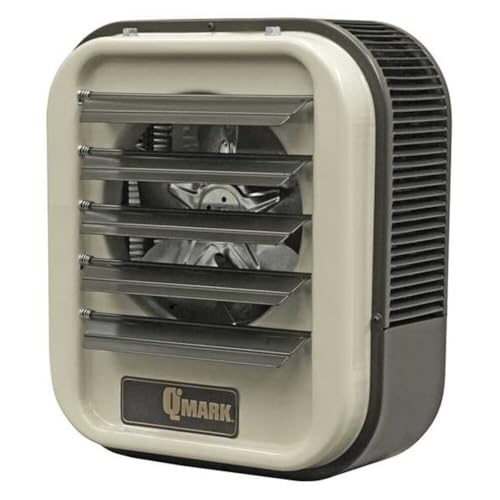
This unit heater’s pull-through design draws air in across the heating element, so it runs cooler while providing an even blanket of comfort across its output range.
The Evolution of Electric Blanket Technology
As electric blankets evolved from their initial medical applications in the early 20th century, technological advancements considerably enhanced their functionality and appeal to general consumers. The first heated blanket, invented in 1912 for hospitals, was bulky and primarily designed for patient care. By the 1930s, the introduction of commercially viable models marked a significant progression. Post-World War II, historical advancements included thinner designs and enhanced safety features, such as improved insulation and thermostat controls. Modern design evolution incorporates multiple heat settings and smart technology integrations. For instance, contemporary electric blankets feature overheat protection and programmable settings, delivering personalized comfort while ensuring user safety. These innovations reflect a remarkable shift from purely medical tools to essential household comforts. Today, many heated blankets also offer multiple heating settings, allowing users to customize their warmth and comfort levels.
Maintenance and Care for Electric Blankets
Maintaining electric blankets properly can greatly extend their lifespan and guarantee safe usage. Effective cleaning procedures include unplugging and detaching all components before washing. Spot clean stains with a sponge, then hand wash in cool water with mild detergent, avoiding twisting. Alternatively, machine wash on a gentle cycle using cold water. For drying, low heat is recommended in dryers, while air drying is preferable to prevent damage. Storage tips involve keeping the blanket dry and fully cooled, avoiding tight folds to protect internal wires. Store blankets flat or loosely rolled in breathable materials to reduce wear. Regular inspections for frayed wires and damage are vital to confirm safety and functionality between washes, helping to maintain overall performance. Additionally, ensuring that the blanket is ETL certified is crucial for safety compliance and performance assurance.
Frequently Asked Questions
Can Electric Blankets Be Used With Adjustable Beds?
Electric blanket compatibility with adjustable beds varies; some blankets are unsafe due to wire pinching. Ensuring the electric blanket meets safety guidelines is essential for adjustable bed safety, preventing damage and hazards during use.
Are Electric Blankets Safe for Pets?
Are electric blankets safe for pets? Generally, they pose risks like overheating and burns, challenging pet safety. Choosing appropriate blanket materials and using precautions can mitigate dangers but alternatives may be safer for furry companions.
How Long Can I Safely Leave an Electric Blanket On?
Electric blankets can be safely left on for up to 8-10 hours with proper safety precautions and modern blanket features like auto shut-off. However, regular monitoring for overheating and following manufacturer guidelines is essential.
Can I Machine Wash My Electric Blanket?
The electric blanket’s machine washability depends entirely on the manufacturer’s washing instructions. Adhering to these guidelines is essential for proper blanket maintenance, preventing damage to internal wiring and ensuring the blanket remains functional and safe.
Do Electric Blankets Cause Higher Electricity Bills?
Electric blankets typically have low energy consumption, averaging around $15 annually. This cost efficiency, especially compared to space heaters, illustrates their minimal impact on electricity bills, making them a practical heating choice during colder months.


