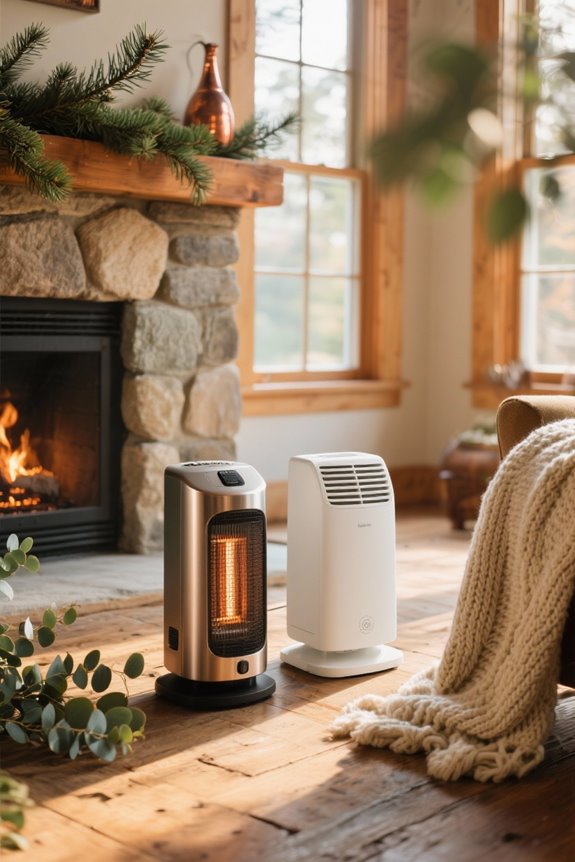
As an Amazon Associate, we earn from qualifying purchases. Some links on this site are affiliate links at no extra cost to you. Our recommendations are based on thorough research and editorial judgment.


Infrared Space Heaters And Allergies: Are They Better

Infrared space heaters are generally better for allergy sufferers due to their efficient heating method. Unlike conventional heaters, which warm air and can stir up dust, infrared heaters emit radiant heat that directly warms objects. This minimizes air circulation and allergen dispersal. Studies indicate they can reduce heating costs by up to 60% while providing stable warmth. Additionally, they maintain humidity at ideal levels, improving indoor air quality. Further details on their health benefits and maintenance are available.
Key Takeaways
- Infrared space heaters warm objects directly, minimizing air circulation that stirs up dust and allergens, thus benefiting allergy sufferers.
- Unlike conventional heaters, infrared heaters do not emit combustion byproducts, improving indoor air quality and reducing allergy triggers.
- Infrared heating maintains stable warmth and optimum humidity levels, preventing dry air irritants that often exacerbate allergy symptoms.
- These heaters operate without stirring allergens, providing a more comfortable environment for individuals with asthma or allergic conditions.
- Regular maintenance of infrared heaters ensures efficient operation while further reducing allergens and improving overall air purity.
How Infrared Heaters Work
You may be interested


When exploring how infrared heaters work, it becomes evident that these devices operate on the fundamental principle of converting electricity or fuel into electromagnetic radiant heat. This process involves heat transfer through infrared waves, traveling in straight lines and directly warming objects instead of air. By mimicking natural radiation mechanics like sunlight, these heaters efficiently raise the temperature of surfaces such as walls, floors, and furniture. As these objects absorb infrared energy, they become secondary heat sources, emitting warmth into the surrounding air. Unlike traditional heating methods, infrared systems enhance energy efficiency by minimizing air circulation. For ideal performance, the wavelength of infrared radiation must align with the materials’ absorption capabilities, ensuring effective heat transfer and sustained warmth throughout the space. Additionally, energy-efficient designs like those found in infrared heaters can significantly reduce electricity bills while providing consistent warmth.
Recommended Products
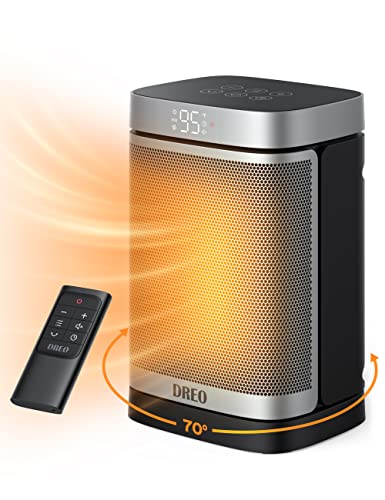
Faster Heat Than Ever: Powered by DREO Hyperamics Technology, Atom One space heater heats up more efficiently with up to 1500W working power, reaching your desired temperature immediately, letting you feel fast, balmy heat straight away. This electric heater is meant to sit by your feet on the floor, near your hands on a desk, or carry around indoors. Add our heaters for indoors use to your cart & experience our amazing heater and customer service
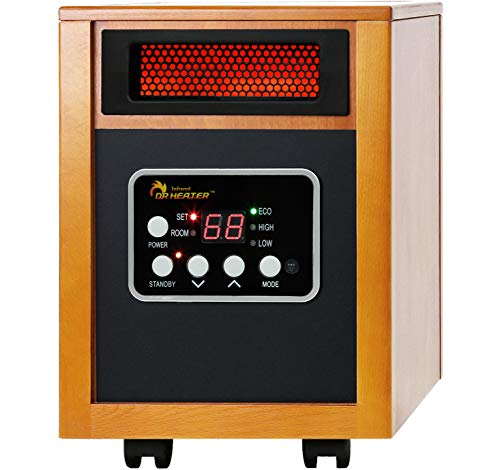
Can heat up a large room with Auto Energy Saving Model With High and Low Feature. Tip-over protection and Overheat protection.Heat Up for a large room - Dual Heating System: Infrared Quartz tube + PTC for 60% more heat than others. Rated around 5200 BTU.
Differences Between Infrared and Conventional Heaters

The primary distinction between infrared heaters and conventional heaters lies in their mechanisms of heat delivery. Infrared heaters emit radiant heat that directly warms objects and surfaces, achieving infrared efficiency of about 90-95%. In contrast, conventional heating primarily warms air, which then circulates, leading to slower warm-up times. For example, convection heaters often consume more energy to maintain temperature in larger spaces due to heat loss. Infrared systems remain effective even in drafts or open areas, while conventional heaters lose efficiency when warm air escapes. Additionally, infrared heaters do not stir up dust or allergens, enhancing indoor air quality. Ultimately, these differences highlight alternative heating methods suitable for varied environments and applications, offering distinct efficiencies and performance characteristics. Moreover, infrared heaters can reduce heating costs by up to 60% compared to traditional options.
Recommended Products

Infrared Heat: Infrared radiant tower heater is compact but powerful and heats up quickly. Uses dual quartz tubes with integrated fan to disperse heat for any home or office environment.

2 in 1 heater fan: This ceramic heater offers dual heating modes (1500W/750W) plus a cool air fan, making it ideal for both winter and summer. With automatic thermostat control, it cycles on and off to maintain your preset temperature without any manual adjustment. A practical and thoughtful gift for working from home, or for family, friends, and colleagues during the cold season.

CUSTOMIZABLE HEATING OPTIONS: Choose from three settings to suit your needs - High (1500W), Low (900W), or Fan Only for air circulation without heat.
Impact on Allergy Symptoms
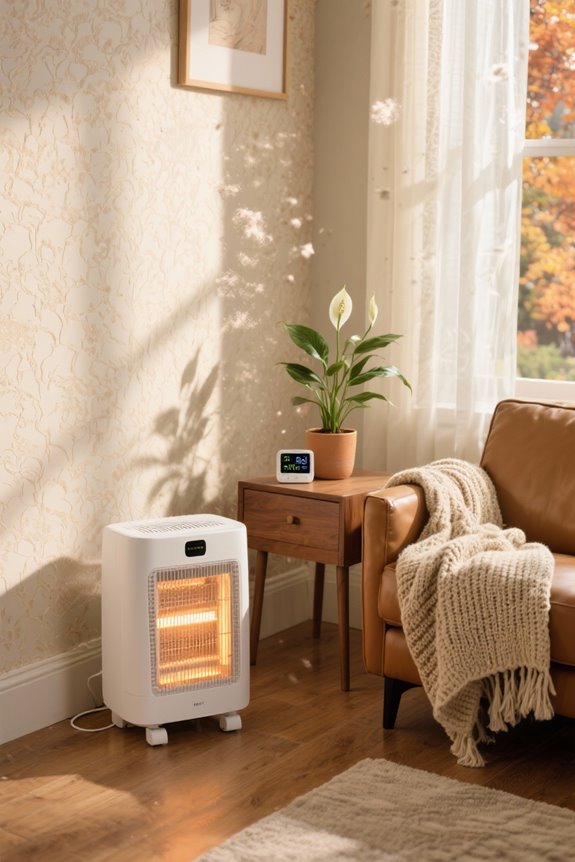
How do heating methods influence allergy symptoms in indoor environments? Conventional heaters often circulate dust and allergens, releasing them into the air and triggering allergy symptoms. Common allergy triggers such as pollen, pet dander, and dust mites can exacerbate discomfort for sensitive individuals. In contrast, infrared heaters provide symptom relief by directly warming objects and people rather than heating the air, which limits airflow that stirs up allergens. This method achieves a stable, consistent warmth that minimizes airborne irritants, reducing sneezing, itchy eyes, and nasal irritation. Additionally, infrared heaters do not produce combustion byproducts, eliminating a source of indoor air pollution. Consequently, infrared heating offers a beneficial alternative for those with allergies, enhancing comfort in indoor environments. Furthermore, choosing heating methods with energy efficiency ratings ensures that homes remain comfortable without compromising indoor air quality.
Advantages for Respiratory Health

Why might individuals with respiratory sensitivities consider infrared heaters as a viable option for improving indoor air quality? These heaters primarily warm objects rather than circulating air, which prevents dust, pollen, and allergens from being stirred up. This method greatly reduces the inhalation of irritants, promoting respiratory ease for individuals with asthma or allergies. Infrared heaters also maintain indoor humidity levels between 30–50%, preventing dry air that can irritate respiratory tracts. In addition, they emit no harmful pollutants, such as carbon monoxide or VOCs, associated with traditional heating methods. By controlling humidity and eliminating airborne particles, infrared heaters provide considerable inhalation benefits, creating a healthier environment for sensitive individuals and helping reduce allergen-triggered reactions. Moreover, they often include advanced safety features that ensure safe operation, making them a reliable choice for maintaining comfort without compromising air quality.
Effects on Indoor Air Quality

Improvement in indoor air quality is a key benefit of using infrared space heaters, particularly for individuals with allergies or respiratory sensitivities. Infrared heaters minimize air currents, markedly reducing the circulation of allergens, such as dust, pollen, and pet dander, which are often stirred up by fan-forced systems. The absence of particulate pollutants associated with combustion heating further enhances air quality; infrared heating produces no combustion gases, volatile organic compounds, or particulate matter. Additionally, it preserves indoor humidity levels more effectively than conventional heaters, maintaining an ideal range of 30-50%. This balance prevents conditions conducive to mold growth, a major allergen source. Overall, infrared heating contributes to allergen reduction and promotes a healthier indoor environment for sensitive individuals. Moreover, the cooling covers used in certain heating systems can enhance comfort while minimizing the risk of overheating.
Safety Considerations of Infrared Heating
The safety considerations associated with infrared heating are essential for ensuring user protection and enhancing fire safety. Proper heater placement is fundamental; heaters must be kept at least 3 feet away from flammable materials to minimize fire hazards. Infrared heaters should be plugged directly into wall outlets to prevent electrical risks associated with extension cords. Regular electrical inspections can identify potential hazards like worn components or overloads. Overheating protection features improve safety during operation, reducing fire risks. It’s critical to comply with safety regulations, as certified heaters meet recognized standards. Statistics reveal space heaters, including infrared models, contribute to numerous home fires annually; hence, adherence to these safety practices can substantially decrease incidents. Additionally, choosing models with advanced safety features ensures a higher level of protection during use.
Infrared Heat and Skin Irritation
While individuals often seek the warmth of infrared heaters during colder months, it is vital to recognize that prolonged exposure to infrared heat can result in skin irritation, particularly among those with sensitive skin. High-intensity infrared radiation may cause redness and thermal burns after extended use. Additionally, chronic exposure to infrared heat can lead to conditions like erythema ab igne and increased skin wrinkling. Individuals with pre-existing skin conditions must exercise caution when utilizing infrared therapy, as the risk of superficial damage and changes to dermal structure increases. Limiting exposure time and intensity, along with monitoring skin for irritation, are significant preventive measures. Balancing the benefits of infrared therapy with potential adverse effects guarantees safer usage. Furthermore, maintaining clean air through the use of humidifiers can help alleviate some skin irritations caused by dry indoor conditions.
Eye Health and Heating Methods
Eye health can be greatly influenced by different heating methods, particularly infrared heaters, which emit wavelengths of radiation that vary in their effects on ocular tissues. Eyes exhibit higher sensitivity to infrared radiation compared to skin, making them susceptible to thermal burns. Prolonged exposure can lead to retinal damage, including conditions like cataracts and phototoxic maculopathy. Additionally, near infrared radiation can penetrate deeply, affecting both the retina and lens. Conventional heating methods do not pose these specific ocular risks. Hence, it is essential to maintain safe viewing distances and use protective gear when utilizing infrared heaters. Regular eye examinations can aid in early detection of any potential damage, emphasizing the need for increased awareness regarding infrared exposure. Moreover, the safety features of halogen heaters, such as overheat protection, can help mitigate risks when using these devices.
Therapeutic Benefits of Infrared Heating
Harnessing the potential of infrared heating offers a variety of therapeutic benefits that extend beyond simple comfort. One key advantage is immune enhancement. Infrared radiation promotes capillary expansion, improving oxygenation and stimulating white blood cell production, which is vital for an effective immune response. Research indicates that passive hyperthermia boosts immune activity, particularly noted in European cancer treatments. Additionally, infrared heating provides significant pain relief. Studies suggest that FIR therapy can reduce chronic pain by up to 50%, particularly in conditions like arthritis and lower back pain. The heat penetrates deeply, relieving muscle tension and aiding recovery. These combined effects underscore the importance of infrared heating in fostering overall health and wellness, supporting both immune functions and pain management. Furthermore, many space heaters with adjustable thermostats allow for customized heating, enhancing comfort during therapy sessions.
Recommended Products

5X Deeper Back Pain Relief: UTK far infrared heating pad uses more advanced carbon fiber heating wire, releasing more efficient far-infrared wavelengths, passes through the surface of human skin, and reaches deep into the muscle. It is also matched with high-quality natural jade and tourmaline to continuously produce mild far-infrared and negative ions, which work together with the hottest 159℉ heat therapy to help promote blood circulation, relax muscles, relieve muscle soreness after exercise, and joint stiffness after sitting for a long time. Compared with traditional heating pads, this infrared heating pad has a soothing effect of more than 5 times
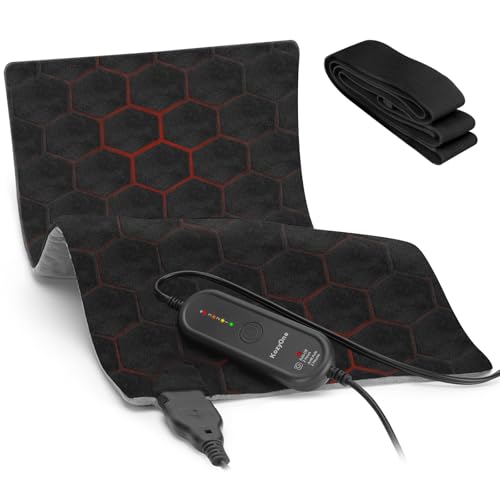
【Advanced Far Infrared & Negative Ion Therapy】 Our advanced technology goes beyond standard heating pads by generating deep-penetrating far infrared heat and releasing soothing negative ions. This powerful combination creates a deeply relaxing experience that helps alleviate discomfort more effectively than conventional heat therapy.

Unlike Other Heating Pads: Our innovative InfraWave Technology offers an advanced level of treatment. The heat-retaining ceramic beads send safe, far infrared wavelengths below the skin’s surface to target sore spots and penetrate muscles more deeply than traditional heating pads.
Clinical Evidence Supporting Infrared Heat
Clinical evidence supporting infrared heat illustrates its significant role in pain management, cardiovascular health, and allergy relief. Research indicates that infrared therapy effectively reduces pain and stiffness in joints, making it beneficial for physiotherapy and rehabilitation. Studies have demonstrated cardiovascular improvements, such as reduced blood pressure and enhanced circulation, akin to moderate exercise’s effects. Moreover, infrared heaters minimize allergen dispersal by not circulating air, which is advantageous for allergy sufferers. Neural stimulation occurs through heat-sensitive ion channels, enhancing overall neural function. Additionally, infrared heat promotes tissue health by improving blood flow and cellular recovery, supporting muscle repair and general well-being. Overall, the safety and efficacy of infrared heat make it a valuable tool in various medical applications. Furthermore, many models of infrared heaters include energy-efficient features that can help reduce overall heating costs while providing therapeutic benefits.
Recommendations for Allergy-Sensitive Users
For allergy-sensitive users, utilizing infrared space heaters can be an effective approach to creating a more comfortable living environment. These heaters warm objects directly, minimizing dust circulation and reducing airborne allergens. This method aids in allergy proofing homes, promoting a cleaner indoor air environment. By maintaining natural oxygen levels, infrared heaters help decrease respiratory irritation often linked to traditional heating systems. Additionally, they support indoor air purification by preventing excessive dryness and mold growth, which are major triggers for allergies. Maintaining balanced humidity also enhances comfort while safeguarding the respiratory system. Overall, infrared heaters can greatly improve indoor air quality, providing a healthier space for those with respiratory sensitivities and fostering well-being through thoughtful design choices.
Recommended Products

Unique Hybrid Dual heating system PTC + Infrared with much higher heat output

Elegant wood finish portable space heater with adjustable electronic thermostat and easy-to-read LED display (measures 13 x 12 x 16 inches; weighs 23.5 pounds)
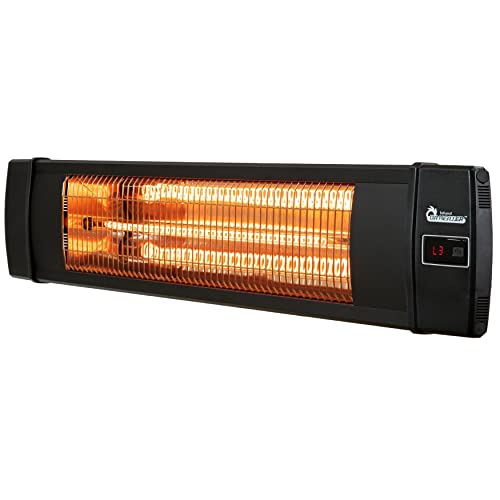
INDOOR and OUTDOOR HEATER - Heater is IP55 approved for both indoor and outdoor use - perfect for home, backyard, garages, open-air restaurant, outdoor patio or deck. Create a comfortable environment for both your indoor activities and outdoor recreation.
Maintaining Humidity With Heaters
Maintaining ideal humidity levels is essential in indoor environments, particularly for enhancing comfort and health. Infrared heaters excel at humidity retention, as they heat surfaces rather than the air, allowing moisture balance to remain stable. Unlike convection heaters that can reduce indoor humidity levels below 20%, infrared systems minimize dryness, leading to fewer instances of dry skin and respiratory irritation. Users often experience more comfortable conditions without needing additional humidifiers, especially during winter months. Infrared heating effectively discourages mold growth while preserving moisture in the air. This method allows for improved thermal efficiency, as damp materials dry uniformly without overly reducing humidity levels, making infrared heaters a preferable choice for humidity-sensitive environments.
Cleaning and Maintenance Tips
Consistent upkeep is vital to guarantee the longevity and efficiency of infrared space heaters. Regular cleaning techniques include using a soft, damp cloth for exterior surfaces and ensuring heat exchangers and reflectors are cleaned gently. It is important to vacuum heating elements and vents frequently, enhancing heat distribution and efficiency. Establishing a maintenance schedule is important; the rear intake filters should be vacuumed or rinsed and aired dry before reinstalling. Annual checks of mechanical components, such as inspecting heating elements for damage and ensuring wiring connections are secure, promote safety and functionality. In addition, maintaining airflow components by cleaning fan fins and obstructions guarantees peak performance while reducing allergens in the environment.
Fire Safety and Heater Usage
Fire safety remains a paramount concern when using space heaters, particularly due to their association with considerable fire risks. Portable electric space heaters contribute to approximately 1,100 fires each year in the U.S., resulting in 50 fatalities and numerous injuries. User errors, such as placing heaters near flammable materials or neglecting to turn them off when leaving the room, are leading causes of these incidents. Between 2012 and 2016, space heaters accounted for 44% of fires involving heating equipment, yet caused 86% of heating-related deaths. To mitigate fire hazards, heaters should be positioned at least three feet from combustibles, plugged directly into wall sockets, and used only when attended. Ensuring these safety measures can greatly reduce associated risks.
Frequently Asked Questions
Can Infrared Heaters Be Harmful to Pets or Animals?
Curiosity killed the cat; however, infrared heaters pose minimal harm to pets when properly installed. Pet safety hinges on cautious placement, as animals intuitively regulate heat exposure, ensuring safe and comfortable environments for all.
How Energy Efficient Are Infrared Space Heaters?
Infrared space heaters exhibit high energy efficiency, considerably reducing energy consumption. Users often experience cost savings of 20% or more on heating bills, as these heaters target warmth directly to objects and people, minimizing wasted energy.
What Is the Lifespan of an Infrared Space Heater?
Infrared space heaters generally last around 100,000 operational hours, potentially extending to 20 years or more with proper heater maintenance. Their simpler heating technology contributes to a longer lifespan compared to traditional heating systems.
Are There Any Specific Models Recommended for Allergy Sufferers?
For allergy sufferers, the Dr. Infrared Heater Portable, DeLonghi Dragon, and Apollo 2000 stand out with allergy-friendly features. Their groundbreaking designs promise minimal air movement, ensuring a haven devoid of pesky airborne allergens and irritants.
Do Infrared Heaters Have Noise Disturbances Compared to Conventional Heaters?
Infrared heaters operate silently, providing superior infrared efficiency compared to conventional heaters that typically produce convection noise. This absence of sound makes infrared models ideal for environments requiring minimal disturbances, such as bedrooms or offices.