As an Amazon Associate, we earn from qualifying purchases. Some links on this site are affiliate links at no extra cost to you. Our recommendations are based on thorough research and editorial judgment.


Loungewear Vs Sleepwear: What’s Different

Loungewear and sleepwear differ considerably in purpose and design. Loungewear is crafted for relaxation and casual outings, featuring styles like joggers, hoodies, and T-shirts from fabrics such as jersey and fleece. Sleepwear prioritizes comfort for sleeping, with garments like breathable pajama shirts and pants made from lightweight materials like cotton and silk. Loungewear trends focus on versatility and stylish features, while sleepwear emphasizes loose fits. Understanding these distinctions can help consumers make informed choices in their wardrobe selections.
Key Takeaways
- Purpose: Sleepwear is designed for comfort during sleep, while loungewear is meant for relaxation and casual outings.
- Material: Sleepwear typically uses lightweight, breathable fabrics like cotton and silk, whereas loungewear features thicker fabrics like jersey and fleece.
- Design: Sleepwear emphasizes loose-fitting, cozy designs with playful prints, while loungewear focuses on modern, tailored styles with practical features like pockets.
- Typical Garments: Popular sleepwear items include pajama sets and nightgowns, while loungewear consists of sweatshirts, joggers, and hoodies.
- Trends: Consumers prioritize comfort and sustainability, impacting choices in fabric and increasing demand for versatile loungewear due to remote work.
Purpose and Usage
You may be interested


Loungewear and sleepwear serve distinct, yet complementary, purposes in the domain of comfortable clothing. Sleepwear is specifically designed to facilitate ideal sleeping habits, focusing on loose fits and cozy materials that enhance restfulness. It is suitable for use exclusively at home, prioritizing comfort during sleep. In contrast, loungewear is crafted for relaxation techniques and casual outings, allowing wearers to engage in various activities while maintaining a stylish appearance. Designed with modern aesthetics, loungewear often features tailored cuts and neutral colors, making it appropriate for public settings like cafés or parks. While both serve to provide comfort, their intended environments and functions differ greatly, emphasizing the importance of choosing the right attire based on one’s needs. Additionally, many loungewear sets include practical features such as deep pockets and adjustable elements, enhancing their usability for various activities.
Fabric and Material

Choosing the right fabric and material is essential for comfort in both loungewear and sleepwear. Cotton remains the most popular choice due to its softness, breathability, and versatility. It offers various fabric types, such as muslin, poplin, and flannel, with excellent fabric durability when properly cared for. Linen, a highly eco-friendly option, also excels in moisture-wicking properties, making it ideal for humid climates. Silk and Tencel provide luxurious, smooth textures that manage moisture effectively. Fabrics like bamboo and rayon enhance breathability, reducing odor and promoting comfort. However, synthetic blends may lead to discomfort due to heat retention. Opting for natural fibers guarantees peak fabric durability and overall wearability, benefiting both lounging and sleeping experiences. Organic cotton is particularly favored for its softness and breathability, making it an excellent choice for both loungewear and sleepwear.
Recommended Products
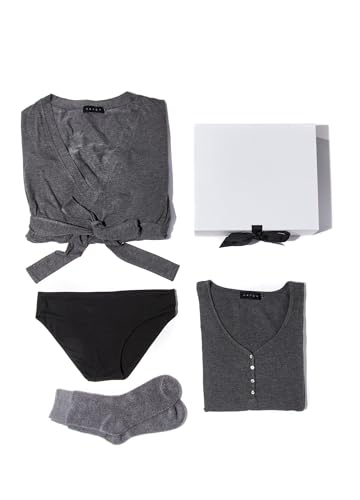

Marimekko in Patterns: Elevate your home routine with the cozy touch of Marimekko’s men and women bath robe, featuring premium materials and exquisite patterns; mix-and-match with other Marimekko essentials to create a cohesive lifestyle set

SPA-QUALITY TURKISH COTTON BATHROBE FOR WOMEN– Woven from 100% GOTS-certified organic Turkish cotton, this premium women’s cotton bathrobe brings the heavy, plush terry of a 5-star hotel into your everyday routine. Long-staple Turkish cotton is exceptionally absorbent, soaking up moisture in minutes so you can step out of the shower and skip the towel altogether.
Design and Fit

Design and fit are essential elements that differentiate loungewear from sleepwear, influencing both comfort and style. Sleepwear often incorporates playful print styles, featuring cozy details like ruffles and lace to enhance visual appeal in a bedroom setting. Conversely, loungewear generally showcases more neutral colors and modern details, reflecting contemporary fashion trends. Fit-wise, sleepwear is designed to be loose-fitting for maximum comfort during rest, ensuring freedom of movement. Loungewear, however, tends to have a more tailored cut, accommodating various body types and activities while remaining versatile. This flexibility allows loungewear to be worn for running errands or casual outings, making it suitable for both indoor and outdoor settings, unlike traditional sleepwear, which is mainly for nighttime use. Additionally, loungewear sets often feature practical features like pockets, enhancing their functionality for everyday wear.
Recommended Products
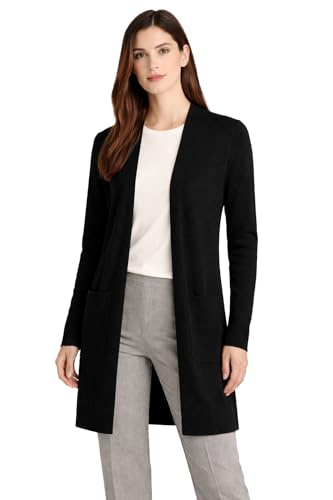
[LIGHTWEIGHT & LUXURIOUS]: This cashmere cardigan is a versatile essential that complements jeans, trousers, skirts, and more, making it perfect for casual, loungewear, or office attire. Designed for year-round wear and as a great layering piece from spring to autumn, this stylish long sweater cardigan women combines classic design with a tailored fit. Crafted from a substantial 12-gauge knit with tightly twisted 2-ply yarns, it ensures both durability and elegance.

Slim, Straight Fit: These pants offer a slim, straight-leg design that sits just below the waist, combining the classic look of jeans with the comfort of sweatpants for versatile, everyday wear.

LilySilk Silk Pajamas for Women Button Up Pajamas Set for Ladies Soft Sleepwear Gift Natural White M
2PC SILK PAJAMAS FOR WOMEN FULL OF QUEEN FABRIC: This women's silk pajamas are crafted by Grade 6A, 19 100% mulberry raw silk with charmeuse lustre to keep your skin moisture, comfortable, smooth, refresh and less wrinkles. UPDATED FABRIC, MORE THICKER, DURABLE AND LUXURIOUS!
Typical Garments

When comparing typical garments, a clear distinction emerges between loungewear and sleepwear, each serving its specific purpose. Loungewear tops include sweatshirts, T-shirts, and hoodies crafted for daily comfort, while sleepwear tops consist mainly of breathable pajama shirts made from cotton or silk. In bottoms, loungewear features joggers and leggings designed for casual outings, contrasting with sleepwear’s soft pajama pants intended solely for nighttime. One-piece garments vary further; loungewear showcases multifunctional jumpsuits, whereas sleepwear focuses on nightgowns that prioritize ease of movement. The fashion evolution influenced these choices, with cultural influences shaping styles and fabrics. Overall, loungewear’s designs reflect a balance between aesthetics and functionality, while sleepwear emphasizes comfort during rest. Additionally, modal fabric is preferred in loungewear for its soft, breathable qualities that enhance comfort throughout the day.
Recommended Products

These Ankle Lenghth Joggers Feature Back Pockets And An Adjustable Waist. Fall In Love With The Elaborate Design Of Our Sophisticated Sweatpants

RELAXED FIT: Women’s zip-up hoodie with an easy, laid-back silhouette that drapes just right. Ideal for travel, casual wear, or layering over athleisure outfits

RELAXED SLIM FIT: These women’s jogger pants feature a tailored slim cut that follows your body’s contours while offering a relaxed feel. Ideal as casual joggers for women who want a flattering silhouette for everyday errands or lounging at home.
Versatility and Acceptance

The distinction between loungewear and sleepwear extends beyond typical garments, encompassing versatility and acceptance in modern culture. Loungewear appeal derives from its multi-functional use, seamlessly evolving from home relaxation to casual outings. Recent market growth reflects the fashion influence of social media, continuously promoting stylish yet comfortable loungewear options. Meanwhile, the sleepwear evolution showcases designs that prioritize comfort, utilizing breathable fabrics like cotton. Social norms have shifted towards embracing loungewear as a viable everyday choice, particularly post-pandemic, where remote work necessitated comfortable apparel. Brands such as Sofia Vergara’s collection have bolstered loungewear acceptance, demonstrating consumer demand for adaptable clothing. This highlights a broader societal trend favoring comfort and versatility over traditional formality in both markets. Additionally, the rise of two-piece loungewear sets has further enhanced the ability to mix and match styles for both comfort and fashion.
Consumer Considerations
Consumer considerations play a pivotal role in the purchasing decisions surrounding loungewear and sleepwear. Fabric choices are critical, with 87% of consumers preferring cotton sleepwear due to its comfort and breathability, reflecting strong consumer preferences. Sustainability trends also influence purchasing behavior, as eco-friendly fabrics gain traction across both categories. Style-wise, yoga pants and pullover hoodies dominate loungewear preferences, while family matching pajamas are emerging in sleepwear. Online shopping is increasingly integral, enhancing accessibility; however, tactile assessments in brick-and-mortar stores remain essential. Price sensitivity affects decisions, with many consumers opting for versatile loungewear to maximize value. This dynamic landscape shows how various factors continually shape consumer preferences and purchasing behavior in these apparel segments. Additionally, the use of comfortable loungewear pieces is becoming increasingly popular among consumers looking for practicality and style in their at-home wardrobe.
Sleepwear: Characteristics and Features
Sleepwear is designed with specific characteristics and features that cater to the needs of individuals during rest. Key components of sleepwear comfort are breathable materials like cotton, modal, and bamboo, which help regulate temperature and provide a soft, flexible fit. These fabrics often possess moisture-wicking properties, keeping skin dry overnight. Sleepwear is usually constructed with tagless labels and flat seams to minimize irritation, while elastic-free waistbands prevent discomfort. Loose-fitting cuts promote unrestricted movement, essential for uninterrupted sleep. Natural fibers such as cotton and wool are effective in adapting to varying temperatures, ensuring comfort in diverse climates. The right sleepwear materials contribute profoundly to overall sleep quality, enhancing relaxation and minimizing disruptions throughout the night. Additionally, adjustable temperatures in heated sleepwear options can further enhance comfort for those who may feel cold during the night.
Recommended Products

Long sleeve pajama set made of luxurious Sea Island Cotton

100% 6A GRADE MULBERRY SILK: High Quality 6 A Grade 100% Silk of Silk Weight, No Satin, No Cotton, No Polyester, Just Raw Silk; Extremly Soft Material Just Feels Like Your Second Skin.
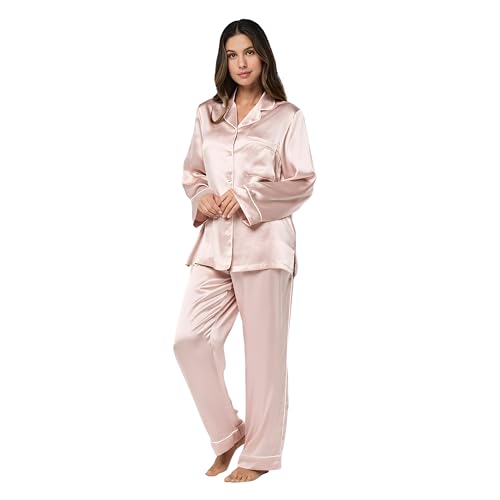
Premium Mulberry Silk Fabric - Made from 100% Mulberry silk, a fibre known for its smooth feel, lightweight drape, and breathable comfort against the skin.
Loungewear: Characteristics and Features
Loungewear embodies a blend of comfort, style, and versatility, making it an essential component of modern wardrobes. Fabric innovations in loungewear include soft materials like cotton, bamboo, and modal, which guarantee breathability and ease of maintenance. Fit preferences emphasize a relaxed, oversized silhouette while integrating subtly tailored designs to enhance the body without sacrificing comfort. Design aesthetics often lean towards minimalism, utilizing neutral colors and simple patterns for versatility. Lifestyle adaptations are evident, as loungewear shifts seamlessly from home to casual outings, accommodating various body shapes with stretchy waistbands and roomy cuts. This multipurpose clothing supports wearers in balancing relaxation with polished appeal, effectively meeting the demands of contemporary life while maintaining a stylish edge. Key considerations for choosing premium loungewear include fabric quality, fit, and versatility, ensuring that each piece serves multiple purposes.
Recommended Products

GOTS CERTIFIED - Made from long-staple organic cotton that is sustainably grown and woven in Germany. Coyuchi’s Sequoia Blanket is free of chemicals and toxins that endanger the health of humans, animals, and the ecosystem.

Made from a high-quality, mid-weight 100% cotton, the Lingfield features a twofold satin yarn for an ultra soft and indulgent sleeping experience.
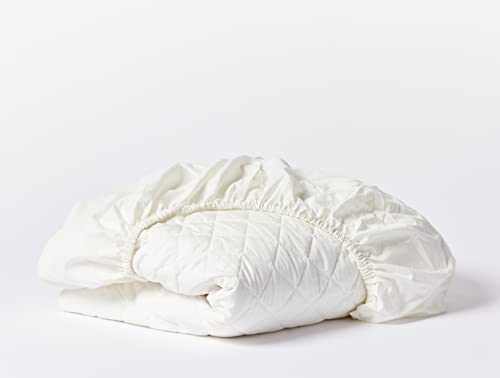
GOTS + MADE SAFE - Coyuchi’s organic cotton mattress pad is constructed of 100% organic cotton inside and out. Finished with two-inch quilted squares and a 220-percale covering; this mattress pad adds an extra layer of warmth and comfort to your resting
Comfort and Functionality
Comfort and functionality are paramount in both sleepwear and loungewear, each designed with distinct purposes yet sharing some overlapping features. Sleepwear typically prioritizes lightweight, breathable fabrics like cotton and silk, enhancing comfort levels necessary for a good night’s rest. These materials promote moisture-wicking and airflow, essential for temperature regulation during sleep. Conversely, loungewear employs slightly thicker fabrics, such as jersey or fleece, integrating stretchable materials that enhance movement. This allows users versatile functionality traits, catering to various indoor or casual activities. While sleepwear focuses on relaxed fits with minimal seams to avoid irritation, loungewear often includes tailored designs with elastic waistbands for added comfort. Both categories endeavor to balance comfort levels with practical usability in distinct settings, with many loungewear sets featuring functional pockets that enhance convenience during casual outings.
Outdoor Acceptability
While both types of apparel serve different purposes, outdoor acceptability varies markedly between them. Loungewear, constructed from thicker fabrics like cotton and jersey knits, is designed with styles such as joggers and sweatpants. These features not only provide comfort but also align with social norms for casual outdoor settings. In contrast, sleepwear often consists of thinner materials, including flannel and silk, which are less suited for outdoor wear due to their revealing designs and lack of coverage. Traditional sleepwear generally evokes perceptions of being unprofessional, limiting its outdoor applicability. As a result, loungewear is frequently deemed appropriate for various informal activities, showcasing its versatility, while sleepwear remains mainly accepted in private environments, illustrating the clear distinction in outdoor acceptability. Additionally, the importance of maintaining clean air is crucial for comfort in both loungewear and sleepwear settings.
Seasonal Considerations
Seasonal considerations play a significant role in the choice of fabrics and styles for loungewear and sleepwear. Sleepwear typically features lightweight, breathable fabrics like cotton and silk, promoting temperature comfort during sleep. In contrast, loungewear incorporates thicker seasonal fabrics such as fleece and jersey, allowing for adaptability to varying temperatures. During warmer months, moisture-wicking materials are favored for sleepwear to enhance coolness. In colder seasons, thicker pajamas or fleece loungewear provide essential warmth. Additionally, skin sensitivity influences fabric selection, as smoother materials are chosen for sleepwear to minimize irritation. Seasonally adjusted designs might include heavier flannel in winter and lighter cotton sets in summer, optimizing comfort without overheating, thereby meeting specific environmental demands effectively.
Style and Presentation
Style and presentation play an essential role in differentiating loungewear from sleepwear. Loungewear typically features a more tailored cut, enhancing its aesthetic appeal with design elements like contrast stitching and notched collars, suitable for various casual outings. In contrast, sleepwear embraces loose, relaxed fits prioritizing comfort, often showcasing playful prints and feminine details such as lace, ruffles, or bows. Loungewear can be accessorized with stylish accessories like sneakers or lightweight jackets, promoting a polished look for social settings. Additionally, while sleepwear lacks the adaptability for public wear, loungewear’s minimalistic designs allow for easy integration into daytime wardrobes, underscoring its versatility and fashion-conscious nature in modern casual attire.
Overlapping Items
Loungewear and sleepwear share several overlapping characteristics, primarily centered around comfort and fabric choice. Both types of apparel often feature cotton and jersey knits, providing softness and breathability. While moisture-wicking fabrics are typically associated with sleepwear, they occasionally appear in loungewear for active pursuits. Various hybrid styles, utilizing fabric blends like cotton and fleece, enhance versatility; loungewear can include thicker materials for warmth, while sleepwear prioritizes lighter options like silk for breathability. Additionally, sweatpants can serve as dual-function items, suitable for both lounging and sleeping. Both categories of clothing emphasize relaxation, making them ideal for indoor activities, though loungewear adapts better to casual outings, showcasing its inherent versatility.
Trends in Loungewear and Sleepwear
As the global market for loungewear and sleepwear continues to expand, current trends reveal significant growth driven by evolving consumer preferences and lifestyle changes. The market for loungewear is projected to reach USD 32.58 billion by 2033, growing at a CAGR of 9.7%. Sustainability is a pivotal factor, with consumers increasingly favoring eco-friendly materials like organic cotton. The influence of fashion influencers plays a critical role in shaping preferences for stylish yet comfortable attire. Rising remote work culture supports this trend, highlighting a preference for versatility and comfort. Loungewear items, often priced between $20 and $37, remain accessible, driving impulse purchases. Seasonal demand peaks during colder months, further indicating strong market trends within this growing sector.
Frequently Asked Questions
Can I Wear Loungewear for Sleep?
She pondered the question, gazing at the fabric. Loungewear comfort could embrace her during sleep, yet sleepwear functionality guaranteed a gentle cradle for restful slumber. Ultimately, preference and fabric choice decided her nighttime attire.
How Do I Care for Sleepwear and Loungewear?
To care for sleepwear and loungewear, one should follow specific fabric care instructions, utilizing appropriate washing techniques. Regular washing, proper drying, and adherence to care labels enhance longevity and maintain hygiene for both types of garments.
Are There Gender-Specific Loungewear Styles?
Gender-specific loungewear styles exist, yet brands increasingly offer gender-neutral options. For example, oversized sweatshirts and relaxed loungewear silhouettes appeal to various consumers, promoting inclusivity while challenging traditional aesthetic distinctions in comfort-driven apparel choices.
What Brands Offer the Best Loungewear Options?
Numerous brands provide exceptional loungewear options, including Softies and Uniqlo. They focus on cozy materials and stylish accessories, ensuring comfort and versatility for home leisure or casual outings without sacrificing fashion.
How Do Trends Differ Between Sleepwear and Loungewear?
Projected to reach $103.7 billion by 2032, loungewear fabrics focus on breathability and style, while sleepwear styles embrace luxury comfort and layering. Each reflects distinct consumer preferences for comfort and versatility in contemporary fashion.