As an Amazon Associate, we earn from qualifying purchases. Some links on this site are affiliate links at no extra cost to you. Our recommendations are based on thorough research and editorial judgment.


How Wedge Pillows Help With Acid Reflux And GERD

Wedge pillows effectively alleviate acid reflux and GERD symptoms by elevating the upper body at a recommended angle of 30 to 45 degrees. This elevation helps prevent stomach acid from flowing back into the esophagus, reducing irritation. Clinical studies show an up to 87% reduction in esophageal acid exposure time. Users report a significant decrease in nighttime reflux symptoms, coupled with improved sleep quality. Additionally, understanding the features of wedge pillows is essential for best use.
Key Takeaways
- Wedge pillows elevate the upper body, reducing stomach acid pressure on the esophagus and minimizing acid reflux symptoms.
- Clinical studies show significant decreases in the frequency and intensity of reflux episodes when using wedge pillows during sleep.
- Elevating the head and torso reduces nighttime acid exposure by up to 87%, significantly improving GERD symptom management.
- Users report enhanced sleep quality and reduced snoring, supporting overall health and comfort for individuals with acid reflux.
- Proper slope and support from wedge pillows promote spinal alignment, further aiding in symptom relief and overall well-being.
Understanding Acid Reflux and GERD
You may be interested


Acid reflux and gastroesophageal reflux disease (GERD) represent prevalent gastrointestinal conditions that greatly impact many individuals’ lives. Acid reflux occurs when stomach acid flows back into the esophagus, leading to irritation. GERD is characterized by chronic acid reflux happening more than twice weekly and can cause severe esophageal damage. It affects up to 20% of the U.S. population. Common symptoms include heartburn, regurgitation, and dysphagia. Acid reflux triggers often include obesity, smoking, and specific dietary choices, such as fatty or spicy foods. Effective GERD management typically involves lifestyle modifications, medications, and, in some cases, surgical interventions. Awareness of these factors is essential for individuals seeking relief from these discomforting conditions and improving their quality of life. Additionally, using wedge pillows can provide significant relief by promoting an elevated sleeping position that helps reduce acid reflux symptoms.
How Wedge Pillows Work
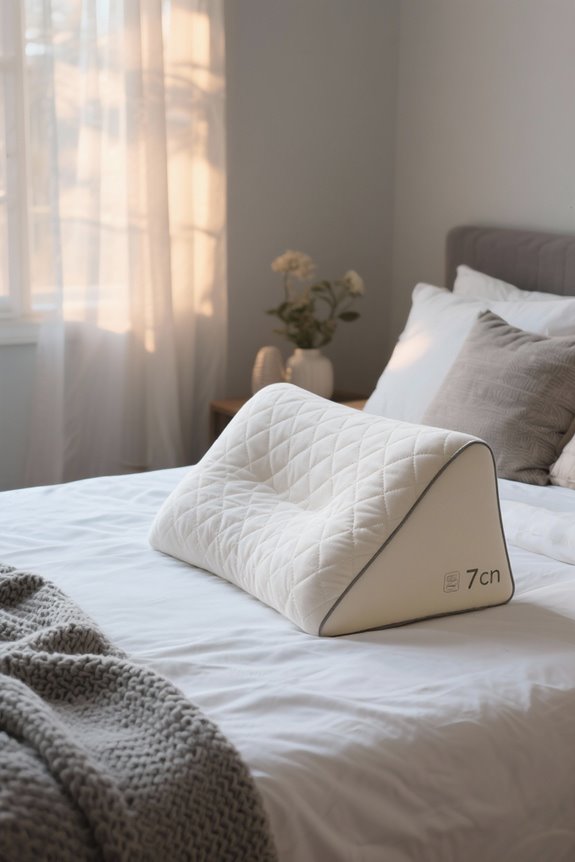
Wedge pillows effectively alleviate symptoms associated with acid reflux and GERD by utilizing a carefully engineered elevation mechanism. The wedge design elevates the upper torso, typically at an angle between 35 to 45 degrees, leveraging a gravity mechanism to prevent acid reflux into the esophagus. This elevation reduces the risk of irritation by keeping stomach acid contained. Ranging from 6 to 8 inches in height, these pillows support the entire upper body, including the head, neck, shoulders, and torso, rather than solely the head. The gradual slope provides a natural posture, enhancing comfort and stability. Specialized features, such as firm foam filling and adjustable inserts, accommodate individual needs, further optimizing the effectiveness of wedge pillows for acid reflux management. Additionally, using a pillow with 30 to 45 degree incline can significantly improve circulation and comfort during sleep.
Recommended Products

Full Length Bed Wedge - Inclined bed wedge pillow mattress topper that fits across the entire length and half the width of a Queen Size Bed/Mattress

MAKE YOURSELF COMFORTABLE, MULTI-USE – Whether for post-surgery recovery, GERD, acid reflux, or simply a more comfortable rest and sleep experience, the Kӧlbs 4-piece orthopedic bed wedge pillow set is sure to deliver. It can be used in multiple configurations to ensure your comfort. Elevate your head, kick up your legs, and relax. This 4-piece set includes bed pillows and positioners: a wedge pillow and cradle, headrest, and leg pillow.

Tailored Upper-Body Support: This 4-piece modular system isolates and supports the shoulder and torso, preventing unwanted movement during sleep to provide a comfortable, stable resting environment after upper-body procedures.
Clinical Evidence Supporting Wedge Pillow Use

Clinical studies demonstrate that the utilization of wedge pillows can greatly impact the management of acid reflux and GERD symptoms. Randomized trials indicate that sleeping on a wedge pillow considerably reduces the time distal esophageal pH is below 4, which reflects decreased acid exposure. Continuous intraesophageal pH monitoring confirms that wedge design can limit the length and intensity of reflux episodes compared to flat surfaces. In addition, patients report notable improvements in GERD-Health Related Quality of Life (GERD-HRQL) scores and experience fewer dysphagia symptoms when using wedges. Although some patients still report elevated symptom scores, the wedge pillow’s design emphasizes patient comfort and promotes adherence. Overall, studies affirm that proper wedge elevation serves as an effective tool in managing gastroesophageal reflux. Furthermore, similar principles of sleep position compatibility apply to wedge pillows, highlighting their role in optimizing comfort and support for individuals with GERD.
Recommended Products


Deluxe Foam Bed Wedge System is a full body support system designed to provide ultimate back comfort and support
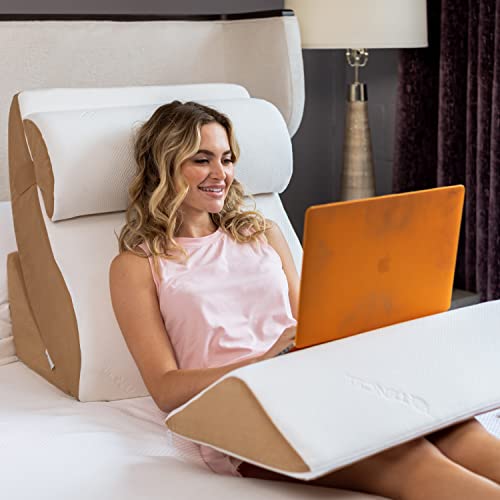
ADDITIONAL CUSHION FOR LUMBAR SUPPORT - Slide or flip the back scoop upside down for adjustable lumbar support. Extra lumbar pillow can be used behind the back, under the legs, or under the arms for even greater customization. To hold the back rest in place, this item includes 2 removable / adjustable velcro tabs that attach in between the back rest and the back scoop. The exterior fabrics also have a natural friction that allow them to lock in place even without the velcro tabs. Head rest can attach to any part of the kind bed system by using the attached velco straps to affix to fabric on the side of any piece of the system.
Benefits on Nocturnal Reflux Symptoms

Effective management of nocturnal reflux symptoms can be greatly enhanced through the use of wedge pillows. These specialized pillows elevate the upper torso, making it more challenging for stomach acid to travel back into the esophagus during sleep. Studies show that sleeping on a wedge markedly reduces esophageal acid exposure time by up to 87%. Clinical trials reveal that 93% of users experience fewer nighttime acid reflux symptoms. This approach also limits episodes of regurgitation and discomfort, offering a low-risk, non-pharmacological solution. By complementing lifestyle adjustments to minimize reflux triggers, such as dietary changes, wedge pillows can provide considerable relief. Proper use, including correct positioning, guarantees maximum effectiveness for patients suffering from nocturnal GERD or heartburn. Additionally, wedge pillows like the Customizable Orthopedic Support Set offer lumbar and knee support, enhancing overall comfort during sleep.
Impact on Sleep Quality

Elevating the upper body during sleep can greatly enhance overall sleep quality for individuals suffering from conditions like acid reflux and GERD. Wedge pillows, designed to maintain an elevated position, deliver elevation benefits by reducing acid reflux symptoms through the effective use of gravity. This elevation supports better breathing, minimizing snoring and fostering improved sleep efficiency. Additionally, these pillows promote spinal alignment, alleviating pressure points in the neck and shoulders, which contributes to notable sleep improvements. Many wedge pillows feature comfort-enhancing materials, such as memory foam, to conform to body shapes. Adjustable options allow users to customize elevation levels, further maximizing the benefits for a restful night’s sleep. Overall, wedge pillows are an essential tool for enhancing sleep quality in affected individuals. Furthermore, incorporating air purification technologies can complement the benefits of wedge pillows by improving indoor air quality, which is crucial for better sleep health.
Safety and Tolerability of Wedge Pillows
For individuals managing acid reflux and GERD, wedge pillows have become popular due to their safety profile and tolerability. These pillows pose no known risks or side effects, unlike some pharmacological treatments. Typically made from hypoallergenic foams, they minimize allergenic concerns for users. Their ergonomic design supports the head, shoulders, and torso, avoiding unnatural spinal positions that can lead to strain. Clinical studies indicate that elevating the torso by 7 to 12 inches effectively reduces esophageal acid exposure. While some users may vary in comfort preferences, designs that feature memory foam and breathable covers enhance overall user comfort. With no substantial contraindications, wedge pillows offer a safe alternative for long-term symptom management across diverse populations. Additionally, humidifiers with night lights can further enhance sleep quality by creating a soothing atmosphere conducive to rest.
Compliance and User Experience
Compliance and user experience with wedge pillows play a critical role in managing symptoms of acid reflux and GERD. Users in the wedge pillow group reported significant symptom alleviation, with many experiencing a decrease in heartburn and regurgitation. Importantly, participants averaged 8.7 hours of sleep per night, indicating improved sleep quality. However, compliance challenges such as adjustment periods were common, as many users needed time to adapt to the altered sleeping position. User feedback has highlighted the importance of comfort and support, with varying design preferences influencing overall satisfaction. Minor side effects like neck pain were reported, yet they did not deter long-term use. Enhanced user support and clear guidance from healthcare professionals can greatly improve adherence and symptom management. Additionally, therapeutic neck pillows can further enhance sleep quality by providing proper cervical alignment and reducing neck strain.
Comparison With Other Reflux Management Strategies
Wedge pillows present a compelling option for managing acid reflux and GERD when compared to other reflux management strategies. One of the primary wedge pillow advantages is their elevation mechanism, which elevates the torso to keep stomach acid from the esophagus. By promoting gravity assistance, these pillows help reduce acid exposure during sleep. Comparatively, while bed blocks can elevate the head, wedge pillows provide a consistent, comfortable angle. Studies indicate they lower bolus contact time, leading to improved symptom management. In conjunction with morning PPIs, wedge pillows enhance sleep quality better than medication alone. Overall, the cost-effectiveness and accessibility of wedge pillows make them a practical alternative to more invasive treatments, supporting a non-pharmacological approach to reflux management. Additionally, the use of ergonomic designs in wedge pillows can further enhance comfort and support for users.
Recommended Products

Maximum Relaxation: The Angle Body system is the perfect way to relax. This system gives you the support you need for your back and legs.

Complete Comfort Bundle: Includes the Lunix 6pcs Orthopedic Wedge Pillow Set in Navy and a White extra washable cover — everything you need for full-body support and daily use.
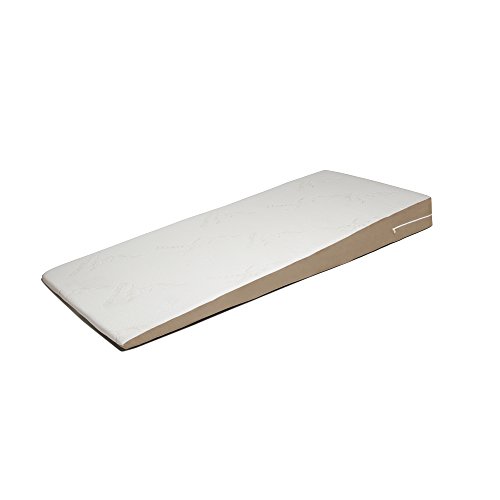
Full Length Bed Wedge - Inclined bed wedge pillow mattress topper that fits across the entire length and half the width of a King Size Bed/Mattress
Practical Tips for Choosing a Wedge Pillow
Choosing the right wedge pillow can greatly impact the management of acid reflux and GERD symptoms. A wedge angle of 30–45° is recommended for effective relief, with elevations ranging from 6–10 inches suiting various needs. For example, a 7-inch pillow benefits those who prefer a lower incline, while a 10-inch option assists individuals with severe reflux. Material choice is also essential; high-density memory foam offers firm support, while hypoallergenic and breathable covers enhance comfort. It’s advisable to choose a pillow width exceeding shoulder width to avoid slipping off. Additionally, features like removable, machine-washable covers and sturdy construction contribute to long-lasting effectiveness and hygiene. Selecting a suitable wedge pillow enhances overall sleep quality and health management. Furthermore, many wedge pillows are designed to improve spinal alignment and can significantly alleviate discomfort associated with various health conditions.
Recommended Products

FULL BODY SUPPORT. The Lenora wedge pillow set consists of 5 different components that can be used in a variety of positions. The pillows can be used under your head, lower back, or to elevate your legs, providing the ultimate in comfort and support. You can position yourself to relieve shoulder, lower back or leg pain after surgery. The wedge pillow system can also help alleviate acid reflux, GERD, or reduce snoring. It makes an ideal post-surgery recovery gift for your loved one!
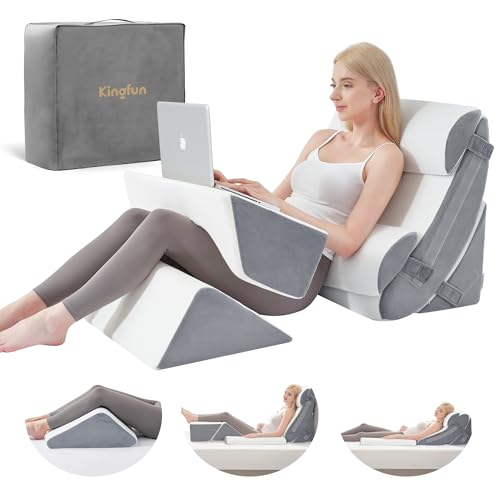
FIND YOUR OWN ANGLE: KINGFUN bed wedge pillows are ergonomically designed to provides solid support your neck, shoulders, legs, and back at every angle. Find your most comfortable position and feel the wonders of a natural upright spine alignment while sleeping and sitting.

Supports Side-Lying Positioning: This positioning wedge functions as a firm body pillow alternative, using angled foam wedges to help maintain a stable side-lying position in bed during rest and repositioning.
Alternative Uses for Wedge Pillows
Utilizing wedge pillows extends beyond their primary purpose of alleviating acid reflux and GERD symptoms, benefiting various health conditions. They offer alternative benefits such as improved blood circulation by elevating the legs, which reduces swelling and alleviates discomfort from conditions like varicose veins and sciatica. This elevation minimizes back pain and decreases pressure on the knees and hips. Additionally, during post-operative recovery, wedge pillows provide essential support by keeping the body elevated, fostering ideal healing and circulation, thereby minimizing discomfort. Relief from respiratory issues is also possible, as these pillows reduce snoring and alleviate sinus congestion. Overall, wedge pillows serve diverse roles that enhance health and comfort in daily life, exceeding their conventional applications considerably. Furthermore, their ability to promote proper spinal alignment makes them beneficial for users experiencing discomfort from various sleeping positions.
Recommended Products

Advanced Post-Surgery System: Specially engineered to provide anatomical support after abdominal procedures like Tummy Tuck and C-Section, reducing incision tension through customizable “Zero-Gravity” elevation for a comfortable, secure rest.
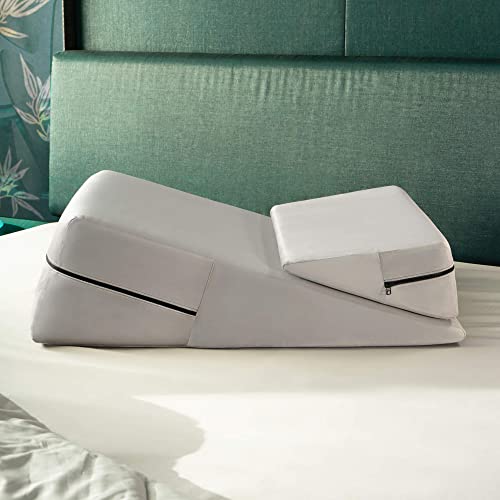
New Angles And Support - Supportive 12” & 7” high slant combo for back and knee support, yoga positioning, stretching routines, and body massage. Offers new angles for maximum support and alignment

BED WEDGE PILLOW FOR SLEEPING OR SITTING - This wedge pillow for back pain relief and digestion support is designed to elevate and align the spine so gravity can help keep gastric acid correctly placed in the body.
Final Thoughts on Non-Pharmacological Approaches
Non-pharmacological approaches, such as the use of elevation techniques, play an essential role in managing symptoms associated with acid reflux and GERD. Wedge pillows effectively enhance sleep quality by elevating the torso, mitigating discomfort from nighttime reflux. Studies show a significant decrease in esophageal acid exposure when using these pillows, improving overall reflux symptoms. Beyond wedge pillows, lifestyle modifications, like avoiding trigger foods and maintaining a healthy weight, contribute to better management. Dietary changes, such as reducing fatty or spicy meals, further assist in symptom relief. Combining these strategies leads to effective symptom management. Overall, non-pharmacological methods offer a complementary approach, emphasizing the importance of integrating both lifestyle and positional adjustments to improve quality of life.
Frequently Asked Questions
Can Wedge Pillows Replace Medications for Acid Reflux Treatment?
Wedge pillows cannot replace medications for acid reflux treatment due to differences in medication effectiveness. Instead, they serve as alternative treatments, offering complementary symptom relief and potentially enhancing overall management when used alongside prescribed therapies.
How Do I Clean and Maintain a Wedge Pillow?
Wedge pillow care involves checking manufacturer instructions, using gentle cleaning methods like spot cleaning, and machine washing covers separately. Regular pillow maintenance, including air drying and avoiding high heat, prolongs the pillow’s lifespan and hygiene.
Are Wedge Pillows Suitable for All Body Types?
Wedge pillows offer benefits across various body types, but individual comfort varies. Body type considerations, including height and weight, influence wedge selection to guarantee proper support and alignment, enhancing overall comfort and effectiveness during use.
How Long Does It Take to See Results With a Wedge Pillow?
Results timelines vary, like ripples in a pond; some users experience relief within days, while others may wait weeks. User experiences fluctuate, influenced by individual factors like proper positioning, consistency, and personal comfort adaptation.
Can Children Use Wedge Pillows for Acid Reflux?
Children can use wedge pillows for acid reflux, particularly older ones, as safe sleep solutions. They should elevate the torso properly to support children’s health while minimizing risks associated with improper positioning during sleep.


