As an Amazon Associate, we earn from qualifying purchases. Some links on this site are affiliate links at no extra cost to you. Our recommendations are based on thorough research and editorial judgment.


Warmest Fabrics For Winter Loungewear

The warmest fabrics for winter loungewear are merino wool, Icelandic wool, cashmere, and thermal blends. Merino wool offers exceptional insulation and odor resistance, absorbing 30-35% of its weight in moisture. Icelandic wool, with its dual-fiber structure, provides superior warmth and breathability. Cashmere feels luxurious while insulating effectively. Additionally, thermal fabrics enhance heat retention, trapping warmth without added bulk. These materials guarantee comfort and durability during cold weather. Further exploration reveals more about layering techniques and sustainable options.
Key Takeaways
- Merino wool provides exceptional insulation and moisture-wicking properties, keeping you warm and comfortable during colder months.
- Icelandic wool’s dual-fiber structure ensures superior warmth and durability, making it perfect for winter loungewear.
- Cashmere offers luxurious softness and insulation, trapping heat while maintaining moisture-wicking abilities for overall comfort.
- Wool-acrylic blends combine natural insulation with durable, low-maintenance features for affordable winter attire options.
- Thermal fabrics effectively trap body heat while allowing breathability, ideal for layering without adding bulk in loungewear.
Merino Wool: Natural Insulation and Odor Resistance
You may be interested


Merino wool stands out as an exceptional fabric for winter loungewear, thanks to its impressive natural insulation and odor resistance. One of the Merino advantages is its fiber structure, which features natural crimp that creates tiny air pockets, effectively trapping body heat. This insulating barrier is essential for maintaining warmth, even in cold, wet conditions. In addition, Merino wool excels in moisture management; it can absorb 30-35% of its weight in moisture without feeling damp. Its fibers transport moisture in vapor form, preventing clamminess and allowing breathability. This ability to manage both heat and moisture enhances comfort in various temperatures, making Merino wool an ideal choice for those seeking warmth and hygiene during winter loungewear. Furthermore, the use of high-quality materials in loungewear can significantly improve overall comfort and durability.
Recommended Products

𝐋𝐔𝐗𝐔𝐑𝐈𝐎𝐔𝐒 𝐂𝐎𝐌𝐅𝐎𝐑𝐓 𝐀𝐍𝐃 𝐒𝐓𝐘𝐋𝐄: Experience the ultimate in luxury with Cashmere Boutique’s 100% Pure Cashmere lounge sets for women. These sets combine elegance and comfort, crafted from the finest grade of 3-ply pure cashmere, ensuring an incredibly soft and warm feel.

Material: 100% merino wool

Midweight: Womens Merino Base Layer Set Available in: Lightweight = 165 g/m², Midweight = 250 g/m², Heavyweight = 320 g/m². Merino Wool Hiking Socks ($21 Value): Package includes Midweight Merino wool base layer top, Merino Leggings 250 g/m² + Merino Wool Hiking Socks. Cool Packaging. Makes A Great Gift!
Icelandic Wool: Superior Warmth for Cold Weather

When seeking the warmest fabrics for cold-weather loungewear, Icelandic wool emerges as a top contender. Celebrated for its unique dual-fibre structure, it consists of Tog and Þel fibers, providing both durability and exceptional insulation. The outer Tog fibers are long and water-resistant, while the inner Þel fibers are short, soft, and effective in trapping heat. This unique combination allows Icelandic wool to excel in thermal innovations, maintaining warmth even in wet conditions. Its natural breathability prevents moisture buildup, ensuring comfort during prolonged wear. Additionally, Icelandic craftsmanship emphasizes sustainability, producing fibers that are pesticide-free and remarkably durable. These characteristics make Icelandic wool an outstanding choice, offering superior warmth and resilience for cold-weather loungewear. Furthermore, the use of breathable materials in loungewear enhances overall comfort by regulating temperature and moisture levels.
Recommended Products

PACKAGE INCLUDES: 1 – Women’s Merino Wool Thermal Underwear Leggings in Black / X-Small | MATERIAL: 18.5 Micron, 100% Merino wool, 400g/m2 | FIT: Fitted

ULTRA-SOFT AND ELASTIC: Made from 190 g/m² super fine knit 100% merino wool, our base layer sets offer unbeatable softness and elasticity for all-day comfort on the slopes.

PACKAGE INCLUDES: 1 – Women’s Merino Wool Thermal Underwear Leggings in Black / X-Small | MATERIAL: 18.5 Micron, 100% Merino wool, 250g/m2 | FIT: Next-to-Skin
Cashmere: Luxurious Comfort for Winter Loungewear

Cashmere embodies the essence of luxurious comfort in winter loungewear, showcasing remarkable qualities that elevate the wearing experience. Derived from the fine undercoat of cashmere goats, this super-soft fiber is renowned for its smooth texture, making it ideal for sensitive skin. Cashmere provides superior warmth, offering insulation up to eight times greater than standard wool, while remaining lightweight. Its breathability and moisture-wicking abilities guarantee comfort in varying climates, preventing overheating and maintaining skin health. With proper cashmere care, these garments sustain their softness and appearance over time. Additionally, ethical sourcing practices support the welfare of cashmere goats, enabling consumers to enjoy this luxurious fabric with confidence, knowing their choices promote sustainability and animal welfare. Cashmere’s superior warmth is comparable to the benefits of wedge pillows for providing comfort and support during colder months.
Recommended Products

Cloud-Like Softness & Warmth – Crafted from thick, brushed organic cotton, these luxurious flannel sheets feel like cashmere for your bed, delivering velvety warmth and cozy comfort for a restful night's sleep.

Premium Blend: This women's knitwear set is crafted from a luxurious blend of cashmere and Australian wool for superior softness and warmth.

PREMIUM MATERIAL: 70% virgin cashmere + 30% biodegradable nylon(37.5) is an environmentally friendly material, high-quality cashmere.
Wool-Acrylic Blends: Balancing Warmth and Durability

Wool-acrylic blends represent a practical solution for individuals seeking warmth and durability in winter loungewear. These fabric blends combine natural wool, known for its excellent insulating properties, with synthetic acrylic fibers, which enhance durability. Typically, a blend features a higher percentage of wool, ensuring softness and warmth, while acrylic increases resistance to wear, fading, and pilling. This combination results in loungewear that is easier to maintain, often machine-washable, and less prone to deformation. Additionally, while the warmth of wool-acrylic blends is superior to that of cotton, it does not match that of 100% wool. However, these blends are generally more affordable, making them an accessible choice for comfortable winter attire requiring simplified fabric care. Furthermore, these fabrics can provide enhanced thermal therapy benefits, which help in muscle recovery during colder months.
Recommended Products

You can never have too many basics, that's why you need this oversized soft knit sweater sets. Feel put together while running errands and look polished on video calls while working from home.
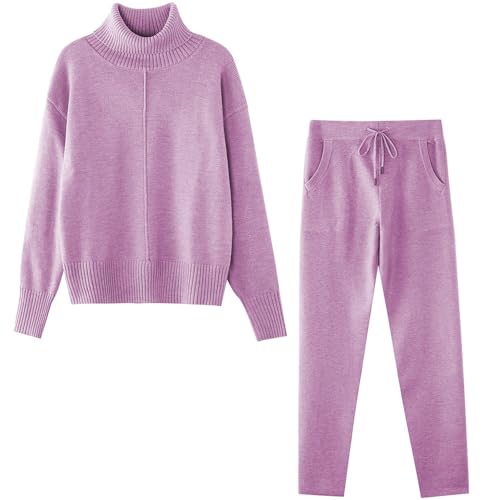
❤MATERIAL: Acrylic and Wool.soft and comfortable

Thermal Fabrics: Trapping Heat for Enhanced Insulation

Thermal fabrics play an essential role in providing enhanced insulation by effectively trapping heat, which is important for maintaining comfort during winter months. These fabrics rely on the principle of thermal insulation, where trapped air acts as a barrier against heat loss. Thicker materials, particularly those with loftier structures, trap more air, thereby improving insulation performance. Knitted cotton thermal fabrics create air pockets that effectively retain warmth while allowing necessary air permeability for breathability. Natural fibers like merino wool excel in insulation, maintaining warmth even when damp by trapping air. Additionally, synthetic textiles engineered for loft can enhance air-trapping abilities without adding bulk, combining effective thermal insulation with a lightweight design ideal for winter loungewear. Furthermore, wall-mounted humidifiers can help maintain optimal humidity levels in your living space, enhancing overall comfort during the colder months.
Fleece: Lightweight Warmth and Moisture Management
Fleece offers an exceptional blend of lightweight warmth and moisture management, making it a favored choice for winter loungewear. The dense structure of fleece fibers effectively traps body heat, creating a strong insulation layer that minimizes heat loss. With tiny air pockets, fleece retains warmth while remaining breathable. Heavyweight fleece variants (300 GSM+) provide superior insulation, suitable for extremely cold conditions. Fleece also excels in moisture management; it wicks away sweat, keeping the wearer dry and reducing chill. Its quick-drying nature allows for easy layering strategies, adapting to varying temperatures. Available in lightweight, midweight, and heavyweight options, fleece applications are versatile, making it ideal for both indoor lounging and outdoor winter activities. Additionally, many heated blankets utilize plush materials to enhance comfort during cold nights.
Recommended Products

24 PACK OF WOMENS JOGGER SWEATPANTS - BLACK - SIZE X-LARGE: Joggers have a ribbed elastic waistband, tapered fit, and ribbed ankle cuffs for a modern and comfortable style. Ideal for casual wear or layering in colder weather. Great for teenage girls and women of all ages.

Case contains 24 hooded sweatshirts total

PREMIUM HEAVYWEIGHT TURKISH TERRY — Experience spa-quality luxury with GOTS-certified organic Turkish cotton featuring extra-long fibers that deliver exceptional softness and excellent moisture absorption. The plush terry construction provides warmth and comfort that improves with each wash.
Cotton Flannel: Softness and Casual Comfort
Cotton flannel serves as an essential choice for winter loungewear, renowned for its softness and casual comfort. The brushed texture of flannel enhances its softness while trapping warm air, making it considerably warmer than regular cotton. Flannel pajamas can provide up to 30% more warmth, and their ability to absorb moisture without feeling damp makes them ideal for overnight wear. The fabric’s versatility shines through its wide range of patterns, including plaids and solids, appealing to various loungewear styles. With a relaxed fit, cotton flannel allows for ease of movement, enhancing comfort. The flannel benefits extend to durability, as it retains color and texture through multiple washes, ensuring long-lasting enjoyment during chilly nights. Additionally, breathable materials such as cotton and jersey knit are essential for enhancing long, comfortable wear in winter loungewear.
Heavyweight Cotton: Insulation for Everyday Wear
Heavyweight cotton stands out as a practical option for insulation during everyday winter wear, offering notable warmth and durability. The fabric’s thick fibers and tight weaves create dense layers that trap air, forming insulating pockets essential for moderate insulation. While cotton sourcing guarantees a renewable option, the insulation technology is not as efficient as specialized materials like wool or down. Dry heavyweight cotton effectively retains body heat in mild to moderate cold, making it ideal for indoor loungewear. However, it struggles in wet conditions, losing insulation efficiency as fibers collapse. Despite its bulkiness, heavyweight cotton remains a comfortable alternative for casual wear, maintaining softness against the skin while being allergen-friendly and less expensive compared to performance synthetics. Additionally, incorporating soft fabrics like flannel and sherpa can enhance comfort during colder months.
Performance Fabrics: Staying Warm While Active
When winter activities demand both warmth and flexibility, performance fabrics emerge as essential components in active loungewear. Merino wool, for instance, is incredibly lightweight, providing insulation that is 50% lighter than traditional thermal fabrics. Its breathability—four times that of cotton—ensures moisture management, preventing overheating during exertion. This fabric also regulates temperature, keeping the wearer warm when inactive and cool while active. Fleece, another popular choice, delivers effective insulation and is quick-drying, making it practical for an energetic lifestyle. Finally, thermal fabrics effectively trap heat while allowing moisture to escape, balancing warmth with breathability. These specialized materials make performance fabrics indispensable for those seeking warmth and comfort during various winter activities. Additionally, electric throw blankets utilize advanced heating technologies to provide customizable warmth, enhancing comfort during relaxation.
Wool Blends: Combining Benefits for Versatile Use
Wool blends present a versatile solution for winter loungewear, combining the natural benefits of wool with various synthetic fibers to guarantee durability and comfort. For instance, wool-polyester blends improve moisture management, soaking up moisture while allowing quick drying. The durability of polyester ensures longer-lasting garments, making them ideal for everyday wear. Additionally, wool-cotton blends offer lighter fabrics with strong breathability, perfect for casual lounging. Meanwhile, wool-silk blends deliver luxurious softness and regulate body temperature, providing warmth without overheating. Each blend showcases wool versatility, suitable for varied fashion preferences while retaining seasonal appropriateness. Overall, these materials offer a practical and aesthetic combination for diverse winter loungewear needs, appealing to those who value both comfort and style. Furthermore, the softness and durability of these wool blends enhances the overall lounging experience, ensuring satisfaction during cold months.
Thermal Underlayers: Essential for Extra Warmth
Thermal underlayers are essential components of winter loungewear, designed to enhance warmth and comfort during cold weather. These garments trap body heat close to the skin, utilizing insulating materials like merino wool and polyester to create layers of warm air that improve thermal efficiency. Thicker than standard base layers, thermal underlayers provide superior insulation, making them ideal for extreme cold. They often incorporate moisture-wicking technology, ensuring sweat is pulled away from the skin. This not only keeps the wearer dry but also prevents chills from dampness. Designed to fit snugly, thermal layers promote efficient layering without adding bulk, enhancing mobility while effectively protecting against cold air and minimizing the risk of hypothermia.
Breathable Fabrics: Regulating Temperature Comfortably
Breathable fabrics play a significant role in maintaining comfort during winter loungewear by effectively regulating body temperature. These materials utilize advanced breathable technology to enhance air circulation, allowing for ideal moisture management. Natural fibers like merino wool, cotton, and linen excel in breathability, providing warmth without excessive heat retention. In contrast, synthetic options, engineered with moisture-wicking capabilities, offer similar benefits and often at a lower cost. The combination of hygroscopic properties in natural fibers and high-tech treatments in synthetics guarantees that wearers stay dry and comfortable. With improved flexibility and durability, breathable loungewear contributes to an enjoyable home experience, creating a microclimate that adjusts to the body’s needs without sacrificing style or comfort in colder months.
Sustainable Options: Eco-Friendly Fabrics for Winter
As the demand for sustainable fashion grows, eco-friendly fabrics for winter loungewear have become increasingly essential. Recycled textiles, such as recycled wool, effectively reduce environmental impact by repurposing existing materials, thereby avoiding additional resource use and enhancing insulation. Organic cotton variants, like corduroy and twill, utilize sustainable farming methods without synthetic chemicals, offering warmth and durability. Hemp is another remarkable option; it requires minimal water and is resistant to pests, ensuring sustainability. Finally, Tencel fabrics, derived from sustainably sourced wood pulp, exhibit moisture-wicking properties. These eco-friendly fabrics contribute to a decreased ecological footprint, illustrating that stylish winter loungewear can also align with principles of ethical sourcing and sustainability, ensuring comfort while minimizing waste.
Layering Techniques: Maximizing Warmth With Fabrics
Layering techniques are vital for maximizing warmth during winter loungewear, allowing individuals to adapt to varying temperatures and activity levels. The layering fundamentals start with a snug-fitting base layer made from moisture-wicking fabrics like merino wool or synthetic blends. This layer helps transport sweat away from the skin, critical for maintaining warmth. The middle layer focuses on insulation; fleece or down jackets, depending on conditions, trap body heat effectively. Finally, an outer layer with waterproof and windproof properties is necessary to protect against environmental elements. Multiple thin layers promote better temperature regulation, while accessories like thermal socks or hats further enhance the system’s effectiveness. Understanding fabric benefits guarantees ideal warmth and comfort throughout winter activities.
Frequently Asked Questions
How Do I Properly Care for Wool and Cashmere Fabrics?
To properly care for wool and cashmere, one should incorporate gentle wool washing techniques and store cashmere in breathable bags. Regular inspections help prevent damage, while proper drying methods maintain garment shape and longevity.
Are Synthetic Fabrics Safe for Sensitive Skin?
Synthetic fabrics may pose risks for sensitive skin due to potential synthetic allergies and chemical irritants. These materials can cause skin irritation, exacerbating conditions like eczema and dermatitis, necessitating caution among individuals with sensitivities.
What Are the Environmental Impacts of Fleece Materials?
Fleece, like a plastic ghost, haunts the environment through high energy consumption and microplastics. Fleece sustainability dilemmas call for alternatives, urging a shift towards biodegradable fabrics that nurture the Earth, rather than deplete its resources.
How Do Thermal Fabrics Differ From Regular Fleece?
Thermal fabrics differentiate from regular fleece by offering superior thermal insulation and moisture management, making them ideal for active use. Additionally, their durability can vary considerably compared to the consistently durable properties found in fleece materials.
Can Cotton Loungewear Be Layered Effectively in Winter?
Cotton loungewear can be layered effectively in winter using appropriate layering techniques. When combined with moisture-wicking base layers, it can maintain winter comfort, but caution is needed to prevent moisture retention and heat loss.