As an Amazon Associate, we earn from qualifying purchases. Some links on this site are affiliate links at no extra cost to you. Our recommendations are based on thorough research and editorial judgment.


Best Firmness For Neck Support Pillows

The best firmness for neck support pillows is typically medium to medium-firm. This range guarantees proper cervical alignment and reduces neck pain, especially in various sleep positions. Pillows should ideally have a loft of 3-5 inches for back sleepers and around 4-6 inches for side sleepers, accommodating shoulder width and body type. Medium-firm materials, like memory foam, offer ideal pressure distribution, enhancing comfort. Understanding these details can greatly improve sleep quality and support. Further insights await.
Key Takeaways
- Medium to medium-firm pillows are generally best for neck support, promoting proper cervical spine alignment and reducing pain.
- Side sleepers should choose firm pillows with high loft (4–6 inches) to maintain neck alignment during sleep.
- Back sleepers benefit from medium loft pillows (3–5 inches) that provide balanced support without straining the neck.
- Stomach sleepers need low loft pillows (under 3 inches) to minimize neck strain and maintain spinal alignment.
- Material choice, like memory foam or latex, influences firmness perception and support, crucial for neck health during sleep.
Importance of Cervical Alignment
You may be interested


Cervical alignment plays a fundamental role in overall spinal health and function. Proper cervical posture guarantees alignment stability, impacting biomechanics across the entire spine. Key parameters such as occipital incidence and cervical spine angles (C0-C2, C2-C7) greatly influence this alignment. For instance, an ideal cervical lordosis is essential for maintaining neck support and minimizing stress on cervical structures. Conversely, deviations can lead to increased strain, contributing to chronic pain and dysfunction. Studies indicate that patients with restored cervical alignment often report significant reductions in pain scores after surgery. Additionally, the interconnectedness of cervical alignment with thoracic kyphosis and T1 slope highlights the need for thorough assessment in spinal treatment approaches, emphasizing that well-maintained cervical posture is fundamental for overall health. Incorporating devices like neck traction pillows can further aid in achieving optimal cervical alignment and comfort.
Understanding Firmness Levels

Choosing the appropriate firmness level for a neck support pillow is crucial for achieving ideal spinal alignment and enhancing sleep quality. Pillows can be categorized on a scale from soft to firm, generally ranging from 1 to 10. Soft pillows, rated 1-3, are plush and compressible, suitable for stomach sleepers. Medium pillows, rated 4-6, offer balanced comfort for back sleepers. Firm pillows, rated 7-10, provide significant support, making them ideal for side sleepers. Factors influencing firmness choices include body type, mattress firmness, and health concerns. Pillow materials also affect the overall feel and durability. Prioritizing proper firmness improves sleep hygiene, reducing discomfort and contributing to long-term neck health, proving crucial for restful sleep. Additionally, selecting a pillow with high-density memory foam can enhance support and comfort, further promoting better sleep quality.
Ideal Pillow Firmness for Different Sleep Positions

Effective neck support is largely dependent on the firmness of the pillow, which varies according to sleep position. Side sleepers benefit from a firm pillow to guarantee neck alignment, while back sleepers typically require medium-firm pillows that maintain cervical lordosis. Stomach sleepers, on the other hand, should opt for soft, thin pillows to minimize neck strain, ideally around 10 cm (4 inches) in height. Factors influencing pillow thickness include body size, mattress type, and shoulder width. Proper firmness plays a significant role in enhancing sleep quality, as it reduces pressure on the neck and shoulders, keeps the spine aligned, and promotes overall comfort. Selecting the right pillow firmness tailored to one’s sleeping position is essential for maximum rest. Additionally, adjustable pillows can provide customizable loft options for personalized support and comfort.
Recommended Products
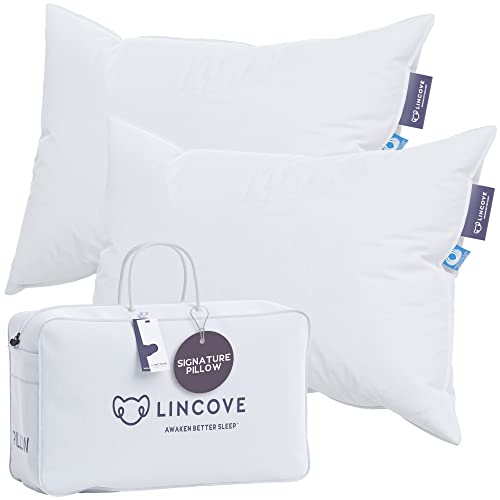
100% NATURAL CANADIAN WHITE DOWN - Premium, humanely sourced down pillow. Canadian white down is selected for its luxurious warmth, softness, superior resilience, and loft that is unmatched by synthetic fills or feather pillows that poke and crinkle.

PREMIUM QUALITY: Enjoy a luxurious cloud-like sleeping experience night after night with our Cloud Natural Canadian Down Pillow! Lovingly filled to the seams with an impressive 625 fill power. Lincove’s White Luxury Sleeping Pillow is a dream come true.

【700 Thread Count Pure Cotton Shell】 Encased in a downproof, 700-thread-count, 100% cotton sateen shell featuring double-needle edge with satin cord piping. OEKO-TEX Standard 100 certified, this silky-smooth fabric is breathable, durable, and provides luxurious comfort night after night. Perfect for those seeking hotel collection quality bedding.
Medium-Firm Pillows and Their Benefits

Medium-firm pillows serve as a versatile option for many sleepers, particularly benefiting those who alternate between different sleeping positions. These pillows generally have a loft of 3 to 5 inches, offering support that aligns the head, neck, and shoulders effectively. This alignment promotes better sleep posture, reducing the risk of neck pain and improving overall comfort. Made from adaptive materials like memory foam or latex, medium-firm pillows also guarantee durability, maintaining their shape over time. Their breathable outer fabric aids in temperature regulation, enhancing sleep quality. Furthermore, the contoured design in some models can further improve cervical alignment, making them suitable not only for back sleepers but also for those who change positions throughout the night. Additionally, therapeutic neck pillows help enhance sleep quality for various sleep disorders by providing proper cervical alignment and reducing neck strain.
Recommended Products

Triple-Stranded Pocketed Coil Technology offers our most advanced level of individualized support and motion separation, so you can rest undisturbed

Medium Pillow Top Feel: For the person who likes medium support with just the right amount of pressure relief and a lush top layer, great for all sleepers; This is a traditional mattress not compressed into a box that is made in America
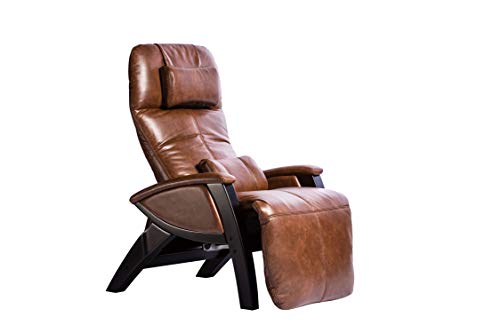
Svago ZGR Plus SV-395 Dual Power Infinite Position Zero Anti Gravity Recliner with Heat and Massage
The Role of Pressure Distribution

Understanding the role of pressure distribution is vital for optimizing neck support in pillows. Proper pressure distribution minimizes discomfort and enhances sleep quality by adapting to the unique pressure sensitivity of different body regions. Various support levels – influenced by materials and designs – dictate how well a pillow accommodates these needs. For example, softer pillows may lead to uneven pressure distribution, while harder options can cause localized pressure concentration. Ideally, pillows feature partitioned support surfaces designed to align with an individual’s anatomical contours, preventing strain. Research indicates that using a fuzzy clustering algorithm can improve these designs by evaluating comfort through both subjective scores and objective metrics. Ultimately, effective pressure distribution is essential for maintaining cervical spine alignment and ensuring overall comfort, as seen in ergonomic designs that support spinal alignment.
How Material Affects Firmness and Support
Materials used in neck support pillows play an essential role in determining the firmness and overall support provided. For instance, memory foam pillows often rank medium-soft to medium-firm and adapt to individual head and neck shapes, greatly reducing pressure points. Latex pillows can range from soft to firm, offering responsive support without excessive sinkage, ideal for active sleepers. In contrast, down and feather pillows provide a plush, cloud-like feel but may offer inadequate neck support, particularly for side sleepers. Polyester fills present adjustable support levels, allowing users to customize firmness through fill density. These various pillow materials directly influence the quality of sleep and cervical alignment, emphasizing the importance of choosing the right option for suitable neck support. Additionally, selecting pillows made from high-density memory foam can significantly enhance neck support and comfort during sleep.
Advantages of Adjustable Firmness Pillows
Adjustable firmness pillows present significant advantages for individuals seeking personalized neck support and comfort during sleep. These adjustable cushions allow users to add or remove customizable fills, enabling them to achieve their desired loft and firmness. This flexibility caters to various sleep positions—such as side, back, or stomach—preventing discomfort caused by inappropriate pillow height. Proper loft adjustment maintains ideal neck and spinal alignment, which can reduce neck stiffness and prevent headaches. Additionally, adjustable firmness reduces pressure points and alleviates pain by conforming to individual body contours. Versatile in accommodating different sleeper types and preferences, these pillows offer a practical, cost-effective solution by eliminating the need for multiple pillow types while supporting individual comfort needs over time. Furthermore, ergonomic designs in these pillows promote spinal alignment and enhance overall sleep quality.
Recommended Products

Modular Sectional Power Sofa with Customizable Layout- This versatile sofa features a modular design, allowing you to effortlessly rearrange or add modules to create your ideal seating arrangement, perfectly suited for any living space.

Oversize Cloud Comfort - Stretch out on this oversized cloud couch—a sectional sofa built for real living rooms. Extra-deep 25" seats, double-stuffed with 2.0-lb high-density foam + feather/poly wrap, cradle you top-to-toe while lofty back & arm pillows (adjustable) prop neck, back and arms at the perfect angle. Medium-soft rating (3/5) plus no-sag sinuous springs + elastic webbing give layered, stay-plush support for up to 350 lb per seat.

SIMPLE TO SET UP - Just move the box to the room you want to use it in, unbox and unroll your mattress, and watch it expand before your eyes. Your Nectar will be snooze ready in 24 hours!
Differences Between Memory Foam and Latex Pillows
When comparing memory foam and latex pillows, it becomes clear that the differences in material composition and performance can considerably impact individual sleep experiences. Memory foam, made from synthetic polyurethane, offers excellent pressure relief through contoured support. However, it ranks lower in breathability, often trapping heat and making it uncomfortable for hot sleepers. In contrast, natural latex provides both resilient support and exceptional breathability, contributing to its latex sustainability as an eco-friendly option. Organic latex materials are biodegradable and resistant to allergens. Latex pillows maintain their shape longer, typically lasting 5–7 years, while memory foam may soften over time, reducing support after 3–5 years. Ultimately, each material presents distinct advantages suited to varying sleep needs and preferences. Additionally, high-density memory foam options are particularly effective for pain relief and support, making them a popular choice for those with neck issues.
Recommended Products

ORGANIC CONTOUR LATEX PILLOW: Made from GOLS Certified organic, pure, sustainably harvested latex. Our contour pillows offer a healthy, green alternative to synthetic materials. Provides a naturally supportive and comfortable sleep experience. Enjoy peace of mind knowing you’re choosing a product that is both good for you and the planet.

[ INVISIBLE ARCHITECTURE: FLAT-TOP FREEDOM ] True support should never dictate your posture or compress your face. We completely reimagined the cervical pillow by anchoring the ergonomic structure deep within the base. WelnezB features a seamless flat-top surface, allowing you to glide effortlessly from back to side without a boxed-in feel. As you sink into the inviting top, the hidden bottom-up core dynamically adapts, providing neck support from underneath

Double-Sided Comfort for Different Needs – Upgrade both sides of the bed with this set of 2 cervical pillow pack. Great for couples, shared bedrooms, or guest rooms, each neck pillow delivers supportive comfort for everyday sleep
The Significance of Multi-Zone Pillow Design
The multi-zone pillow design emerges as a significant advancement in sleep support technology, building on the foundational principles of material performance previously discussed. This design features zonal variations that guarantee distinct areas of differing firmness, specifically targeting the head, neck, and shoulders. For example, a firmer neck zone promotes cervical lordosis while a softer head zone minimizes cranial pressure, enhancing overall comfort. This targeted support provides substantial ergonomic benefits, as it aids in maintaining proper spinal alignment during sleep. Research shows that optimized pressure distribution from multi-zone pillows can reduce muscle fatigue and improve tissue repair. Consequently, these pillows can decrease the likelihood of neck pain and disrupted sleep, making them a valuable choice for various sleep positions. Additionally, incorporating cooling pillowcases can further enhance sleep comfort by managing temperature and promoting airflow.
Common Misalignments in Pillow Selection
How can common misalignments in pillow selection adversely affect sleep quality and neck health? Poor choices during pillow shopping can lead to significant neck discomfort. Selecting pillows that are either too soft or too firm diminishes neck support and exacerbates misalignment. Overly soft pillows collapse quickly, failing to maintain necessary shape, while excessively firm pillows create pressure points, leading to stiffness. Contour pillows positioned incorrectly can also disrupt cervical curvature, introducing additional tension. Additionally, disregarding mattress compatibility may result in an inefficient height that disturbs spine posture. Ultimately, sleep position mismatches compound these issues; side sleepers need firmer pillows, whereas stomach sleepers require minimal loft. These factors collectively hinder restful sleep and can cause long-term anatomical stress. Moreover, adjustable heat settings in therapeutic pillows can enhance comfort by providing personalized support.
Identifying the Right Loft for Your Sleep Position
Identifying the proper loft for a pillow is essential for achieving ideal sleep comfort and neck support. Side sleepers require a high loft, approximately 4–6 inches, to bridge the gap between head and shoulder, ensuring proper neck alignment. Those with broader shoulders often need taller lofts, while slimmer individuals may prefer slightly less height to avoid neck tilting. Back sleepers, in contrast, should opt for a medium loft of 3–5 inches, using a medium-firm pillow to maintain cervical spine curvature. Stomach sleepers benefit from a low loft, under 3 inches, to minimize neck strain. Loft adjustment through contours or adjustable pillows can provide customized support, accommodating individual anatomical differences and enhancing overall sleep quality.
Recommended Products

Behind every great night’s sleep is our cervical neck pillow with an ideal shape, height, and density. This contour neck pillow provides just that, offering you a perfect balance of orthopedic support and plushness.

THE PERFECT GIFT SET: The Scrumptious Side Pillow and custom fitted Scrumptious Pillowcase are everything you need to reduce neck pain, improve your sleep quality, and start waking up refreshed and full of energy. There is a reason Forbes voted Honeydew Sleep “The Best Pillow for Side and Back Sleepers”

Your neck, shoulders, and spine weren’t meant to fight against a one-shape-fits-all pillow. Our shredded memory foam pillows adapt instantly to your posture, helping reduce strain and improve sleep alignment. Customers often choose it as one of the best pillows for sleeping, especially those looking for a memory pillow that provides reliable lift and pressure relief—without flattening over time.
Clinical Evidence Supporting Firmness Choices
Clinical evidence strongly supports the idea that pillow firmness plays a critical role in maintaining proper cervical spine alignment and reducing neck pain. Randomized controlled trials indicate that pillows offering firm cervical support can effectively reduce the frequency and intensity of neck pain symptoms. These studies demonstrate that medium to medium-firm pillows provide a favorable balance, contributing to positive pain outcomes. Conversely, excessively firm or overly soft pillows have been associated with increased neck pain in clinical investigations. Ergonomic designs that cater to individual sleep positions further enhance support and comfort, as they reduce strain on the neck. Consequently, selecting the appropriate firmness is essential for alleviating discomfort and promoting restorative sleep, particularly for those with chronic neck issues.
User Preferences and Comfort Ratings
When considering the best firmness for neck support pillows, user preferences reveal significant insights into comfort levels and ergonomic effectiveness. According to consumer feedback, 76% of respondents highlight memory foam and ergonomic contouring as essential for reducing neck strain. Additionally, 70% of North American consumers favor high-density memory foam with adjustable firmness for ideal support. Side sleepers typically require a pillow loft of 5 inches or more, while back sleepers prefer a loft of 3 to 5 inches. However, users often experience an adjustment period when switching to a new firmness level, initially rating comfort lower. Over time, comfort perception improves, emphasizing the importance of individualized selections based on specific sleep positions and personal preferences in neck support.
Common Mistakes When Choosing a Neck Support Pillow
Choosing the right neck support pillow is essential for ensuring restful sleep and preventing discomfort. A common mistake is selecting a pillow that is too soft, which can compromise supportiveness and lead to neck strain. Additionally, overlooking sleeping positions can result in inappropriate pillow types, where side sleepers may require firmer pillows compared to back sleepers. Ignoring the material quality can lead to durability issues, impacting long-term support. Moreover, prioritizing price over quality often results in inadequate neck support. Many fail to recognize the ergonomic benefits of adjustable features that accommodate different sleeping styles. As a result, recognizing these critical factors can greatly enhance sleep quality and promote better neck health.
Frequently Asked Questions
How Often Should I Replace My Neck Support Pillow?
Pillows should be replaced every 1 to 2 years, based on signs of wear. Awareness of factors affecting pillow lifespan, such as material quality and maintenance, is essential for ensuring ideal support and hygiene.
Can a Pillow Be Too Firm for My Neck?
Ironically, the quest for pillow firmness can lead to neck pain. An excessively firm pillow can create pressure points, forcing the neck into unnatural positions, ultimately inviting discomfort rather than providing the desired support and relief.
Do Travel Pillows Provide Adequate Neck Support?
Travel pillows generally do not provide adequate neck support due to suboptimal pillow design. While intended for travel comfort, they often fail to align the cervical spine, resulting in discomfort and potential issues during use.
Is It Necessary to Use a Pillow Case on My Neck Pillow?
Using a pillowcase on a neck pillow is essential. The benefits include hygiene, longevity, and comfort, with various types available such as cotton, silk, and bamboo, enhancing both protection and user experience.
Can Allergies Affect My Choice of Neck Support Pillow?
Allergies can considerably influence the choice of neck support pillow. Selecting hypoallergenic pillow materials reduces allergy symptoms, while ensuring proper airflow and moisture retention minimizes dust mite proliferation, ultimately promoting a healthier sleep environment.


