As an Amazon Associate, we earn from qualifying purchases. Some links on this site are affiliate links at no extra cost to you. Our recommendations are based on thorough research and editorial judgment.


Heated Blanket Power Use: Typical Watt Ranges

Heated blankets typically use between 50 to 250 watts, depending on size and features. Standard single and twin-size blankets consume around 50 to 70 watts, while double and queen sizes can peak at 100 to 250 watts. Higher-end models may exceed 300 watts on high settings. During preheating, power consumption can reach up to 200 watts. Understanding wattage is essential for evaluating energy efficiency and operational costs. More insights on blanket performance and energy savings are available further on.
Key Takeaways
- Electric blankets typically consume between 50 to 300 watts, depending on size and settings.
- Standard single-size blankets draw around 50 watts, while queen-size can peak at 250 watts.
- Power consumption increases during preheating, reaching up to 200 watts.
- Lower heat settings generally use between 50 to 100 watts for energy savings.
- Energy-efficient models can operate at around 73 watts, significantly reducing electricity costs.
Understanding Electric Blanket Wattage
You may be interested


When evaluating electric blanket wattage, it is essential to understand that these devices operate within specific power ranges, typically between 50 to 150 watts. Most blankets consume around 100 to 150 watts per hour during home use, while higher-end models can exceed 200 watts. Heat settings markedly affect wattage: low settings use approximately 30 watts, whereas ultra-high settings may reach 150 watts. Newer electric blankets often incorporate safety features, including timers and auto-shutoff, to enhance energy efficiency and prolong blanket lifespan. Better insulation and smart thermostats reduce power consumption and maintain comfort. Consequently, users can enjoy effective heating while being mindful of their energy use, facilitating both safety and longevity of the blanket. Many models also come with adjustable heat settings, allowing users to tailor their comfort levels while managing power consumption effectively.
Wattage by Blanket Size

Electric blankets vary in wattage based on size, which directly influences their power consumption and heating capabilities. For instance, standard single-size blankets typically draw around 50 watts, while thicker models may reach up to 70 watts. Comparably, twin-size blankets usually range from 50 to 70 watts. In contrast, double-size blankets are rated at approximately 100 watts, with thickened versions consuming up to 120 watts. Large or queen-size blankets often have higher wattage, ranging from 180 to 250 watts on high settings. Finally, king-size blankets stand out with a typical usage between 100 to 150 watts, but can peak at 300 watts. Consequently, wattage comparisons across blanket sizing reveal significant power consumption differences affecting heating efficiency, making it essential to consider safety features to prevent overheating.
Recommended Products
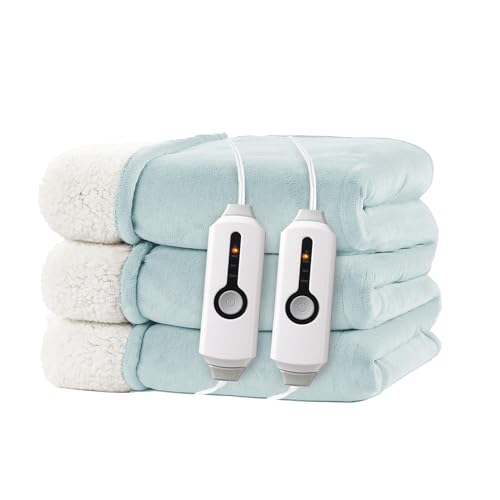
Ultra-Fast Warmth for Cold-Sensitive People – Ideal for Bedroom & All-Night Use Perfect for people who feel cold easily – including elderly, adults, or those with poor circulation. The dual-sided microplush + Sherpa fabric traps body heat efficiently, while the fast heat-up time ensures you feel warm the moment you cover up. Use it in your bedroom every night to fall asleep faster, and wake up refreshed – not frozen.

[Personalized Warmth with 9 Heat Settings] Choose from 9 customizable heat levels to find the perfect temperature. Whether on your bed or in the office, this electric blanket delivers steady warmth to relax and unwind.

PERSONALIZED WARMTH FOR COLD DAYS: Choose from 10 adjustable heat settings to find your preferred level of warmth for cold mornings, chilly evenings, or relaxing on the bed, sofa, or couch. The 1–12 hour auto shutoff timer lets you set the heating time based on your comfort needs while helping reduce unnecessary energy use.
Heat Settings and Energy Use

Heat settings play an essential role in determining the energy consumption of heated blankets. During the preheating stage, power consumption peaks at 150 to 200 watts, quickly warming the blanket. Lower heat settings consume between 50 and 100 watts, while medium settings draw about 100 to 150 watts, balancing comfort and power use. High settings maintain a range of 150 to 200 watts, providing maximum warmth at a higher cost. Using lower settings can greatly reduce overall energy consumption, potentially saving users between $0.36 to $0.60 per night. Additionally, effective insulation in blankets allows for comfortable low settings, enhancing blanket performance and minimizing excessive energy use while maintaining warmth. Many heated blankets also come with safety features such as automatic shut-off mechanisms, ensuring peace of mind during use.
Recommended Products

Super warm&comfortable:This heated blanket has comfort Ultra soft material with high quality heating filament that runs throughout the heated throw blanket to provide you with the maximum warmth and comfort. you can snuggle up and keep warm - No matter how cold the temperature may drop! The 50 "x60" sized electric blanket is portable and can be placed on beds, couches, and offices, and can be used as an ordinary blanket if the control line is removed.
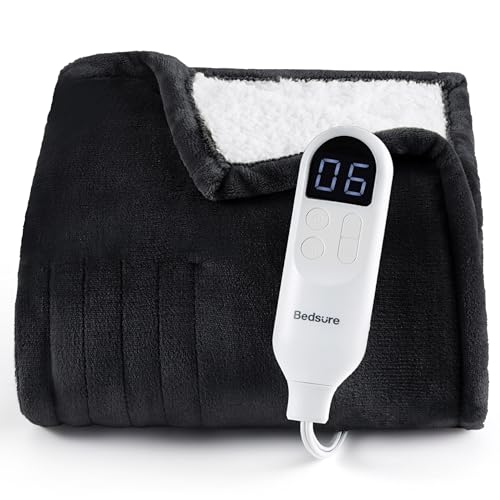
Fast & Even Warmth: 6 heating levels and 6 timer settings (1-2-4-6-8-10H) let you enjoy personalized coziness. Advanced longer heating wires provide fast, even warmth for peace of mind. In Good Housekeeping's 2025 lab tests of 12 heated blankets, it ranked top and earned the Good Housekeeping Seal
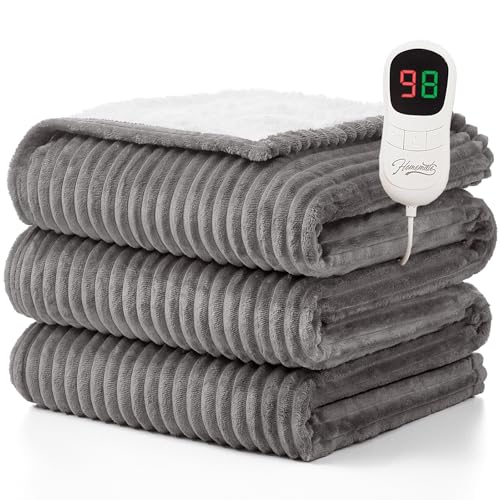
PREMIUM MATERIAL: 220gsm flannel + 200gsm sherpa.The fabric is very soft,thicker than normal blankets,and warmer than normal blankets even without electricity.The fabric is durable and does not shed.The diameter of the heating wire is 2.2 mm,and the existence of the heating wire is hardly felt during use,which is more comfortable.
Energy-Efficient Electric Blankets

Warmth and comfort can easily come together through the use of energy-efficient heated blankets. These blankets typically consume only 100 to 150 watts, considerably less than central heating systems. Some advanced models incorporate low-voltage technology, using approximately 73 watts, and feature insulated wires for ideal heat distribution. The inclusion of energy-saving technologies, like automatic shutoff and timers, enhances efficiency while ensuring safety features such as overheat protection. Operating costs are minimal, often under $4 annually during colder months. With adjustable temperature controls, users can minimize energy use. Energy-efficient electric blankets provide targeted warmth, improving personal comfort and sleep quality while alleviating muscle tension without the need for higher energy-consuming heating devices. Additionally, many blankets feature customizable heat levels to cater to individual preferences for warmth.
Recommended Products

FAST HEATING & SAFETY FIRST: Heated throw blanket can quickly heat up within 10 minutes, allowing you to feel warm quickly. The quality and safety of our heated blanket is ETL & FCC certified. Overheat protection and short-circuit protection design let you use with peace of mind.

Fast & Even Warmth: 6 heating levels and 6 timer settings (1-2-4-6-8-10H) let you enjoy personalized coziness. Advanced longer heating wires provide fast, even warmth for peace of mind. In Good Housekeeping's 2025 lab tests of 12 heated blankets, it ranked top and earned the Good Housekeeping Seal

【EXTREMELY COMFORTABLE】This heated blanket twin has comfort ultra soft faux fur to sherpa reversible with high quality heating filament that provides excellent heat penetration and retention for supreme comfort.Even without electricity,it is warmer than ordinary electric blanket twin, plug it in and it turns into a warm blanket,and the regular size is 62"x84".
Material Choices and Their Impact

Choosing the right materials for heated blankets substantially influences their energy efficiency and overall performance. Fabric characteristics play an essential role; for instance, microfiber is known for lower energy consumption, while bulkier materials like polyester and fleece often require more power due to lower insulation properties. Thicker blankets, though cozy, consume more energy because their mass necessitates greater heating output. Conversely, thinner materials heat quickly, utilizing less power but may lack even warmth. Advanced fabrics designed for exceptional heat retention allow for reduced wattage use, enhancing energy efficiency. Additionally, durable synthetic fibers maintain insulating capabilities better over time than natural fibers, preventing increased power draw from insulation degradation, vital for sustained warmth in electric blankets. For example, the material durability of heated blankets affects their long-term energy consumption and efficiency.
Recommended Products

HEATED BLANKET - This travel blanket is made of soft polyester fleece in a classic navy blue color. The car blanket plugs into your vehicle to provide gentle personal warmth, and folds for easy storage in a trunk or bag, or to use as a pillow.

【ETL & FCC CERTIFIED】Enjoy peace of mind with a 100W, 60Hz heating blanket designed for safety and energy efficiency. Built-in overheat protection ensures safe operation during normal use. To extend product life, please read the instructions carefully and avoid folding or placing heavy objects on the heating wires.

SUPER SOFT & DURABLE CONSTRUCTION:This pink faux fur throw blanket is made using double-sided of 100% premium microfiber polyester¡ê?One side made of faux fur and one side made of Shu Velveteen.That is super soft, plush, and lightweight yet durable enough to provide you with long term use
Insulation Efficiency and Power Consumption
Insulation efficiency plays a significant role in the overall power consumption of heated blankets. Efficient insulation types reduce heat loss, directly minimizing power needed to maintain warmth. Blankets with higher insulation efficiency can operate at lower wattages, usually between 50 and 100 watts, while still providing comfort. In contrast, poorly insulated blankets may consume 150 to 200 watts to compensate for heat loss, raising overall energy usage. In addition, insulated blankets tend to warm up faster, enhancing energy savings during initial heating phases. The quality of insulation, affected by material density and design, influences both wattage and operating costs, making insulation a critical factor in both comfort and energy efficiency for electric blankets. Additionally, blankets with multiple heating levels can further optimize energy usage by allowing users to adjust settings based on their comfort needs.
Cost Implications of Electric Blanket Use
The cost implications of electric blanket use can vary considerably based on factors such as size, power consumption, and usage habits. Typically, electric blankets consume between 50 to 150 watts, with larger models using even more power. For example, a 100-watt blanket used for eight hours daily may cost between $2.40 and $3.12 per month, depending on local electricity rates of 10-13 cents per kWh. High heat settings increase consumption and costs, making a cost comparison essential. Additionally, blankets made from high-quality materials can boost insulation and warmth retention, potentially reducing overall energy costs. Consumers should assess their usage habits, blanket specifications, and energy efficiency features to optimize savings while staying warm and comfortable. Choosing blankets with advanced heating wires ensures rapid warmth without cold spots, ultimately enhancing energy efficiency.
Daily Usage Patterns and Energy Costs
How do daily usage patterns of electric blankets affect overall energy costs? Typically, electric blankets are used for 6–8 hours overnight during the cold months, which greatly impacts energy consumption. For example, a single blanket drawing 50 watts for 8 hours consumes about 0.4 kWh per night. Usage patterns, including preheating for 20–30 minutes, lead to varying energy use; combining 200 watts during preheating and then 80 watts overnight totals 0.7 kWh. Those who utilize low settings can achieve energy savings, as these consume only 25–30% of maximum power. Additionally, multiple heat settings enable users to adjust consumption based on ambient temperatures and personal comfort, optimizing their energy expenditure throughout the colder seasons. Incorporating energy efficiency ratings into your selection process can further reduce costs while maintaining warmth.
Maintenance Tips for Efficiency
Maintaining heat retention and energy efficiency in electric blankets relies heavily on proper care and management. Cleaning frequency is essential; the recommended practice is to wash blankets once or twice a heating season, tailoring frequency based on usage. Users should gently wash with mild detergent in cold or warm water, following specific washing protocols. For storage tips, blankets should be stored flat or loosely folded in breathable cotton bags to avoid wire breakage. Confirming blankets are kept in dry, cool environments protects them from moisture damage. Regular inspections for frayed wires and damaged controls are critical for safe operation. By adopting these maintenance habits, users can maximize the blanket’s lifespan and confirm safe, efficient heating. Additionally, keeping blankets in a breathable cotton bag helps prevent moisture damage and maintains their quality over time.
Comparing Traditional vs. Energy-Efficient Models
When comparing traditional electric blankets to energy-efficient models, notable differences in power consumption and technology become apparent. Traditional blankets typically operate between 50 and 200 watts, with larger sizes consuming even more. In contrast, energy-efficient models utilize reduced wattage, usually between 50 and 100 watts, thanks to advanced materials that optimize warmth without excessive power use. The comparison benefits extend beyond wattage; energy-efficient blankets also feature multiple temperature controls, allowing customization to lower energy usage. This results in lower electricity bills over time. The higher power consumption of traditional models considerably increases operational costs and environmental impact, demonstrating clear advantages of energy-efficient options in reducing both energy consumption and financial expenses. Moreover, these models often include safety features to enhance user security while maintaining efficiency.
Recommended Products

PREMIUM MATERIAL: 200gsm flannel + 200gsm sherpa.The fabric is very soft,thicker than normal blankets,and warmer than normal blankets even without electricity.The fabric is durable and does not shed.The diameter of the heating wire is 2.2 mm,and the existence of the heating wire is hardly felt during use,which is more comfortable.

Extremely Comfortable: This heated blanket has comfort Ultra soft silky plush to Sherpa Reversible with high quality heating filament that runs throughout the heated blanket to provide you with the maximum warmth and comfort. electric blanket is perfect for keeping you cosy on the sofa, settee or in bed and on both freezing cold winter nights.

Certification & Security Measures: Our heated blankets are ETL and FCC certified.This 50"x60" size heated blanket with fast heating and overheating protection can work stably to keep you warm in the cold weather.Our heated blankets can shut off automatically after 3 hours of continuous use.This 50"x60" heated blanket can stop working when it is too hot,and will continue to work when the temperature has cooled down.
Frequently Asked Questions
Can I Use an Electric Blanket While Sleeping?
Yes, using an electric blanket while sleeping is generally safe. Users should monitor their sleeping habits and adjust the blanket temperature to prevent overheating, ensuring comfort and adherence to the manufacturer’s safety guidelines.
Are Electric Blankets Safe for Pets?
Electric blankets are not safe for pets due to overheating risks and potential electric hazards. Adhering to safety guidelines, such as using pet-specific heated products, can enhance pet comfort while minimizing dangers associated with standard electric blankets.
How Often Should I Wash My Electric Blanket?
Electric blankets should be washed every three months for regular use, adjusted based on maintenance schedules dictated by blanket materials and usage intensity. Occasional use demands annual washing, while frequently used ones necessitate monthly or bi-weekly cleaning.
Can I Use an Electric Blanket With a Specific Mattress Type?
Electric blankets may be used with certain mattress types, considering mattress compatibility and heat distribution. Memory foam mattresses benefit from cautious use and protective layers, while adjustable beds require flexible designs for ideal function and safety.
What Are the Risks of Overheating With Electric Blankets?
The risks of overheating with electric blankets loom large, often unnoticed. Though modern safety features exist, improper use can amplify overheating hazards, especially when left unattended or folded, heightening the urgency for vigilant monitoring and compliance.


