As an Amazon Associate, we earn from qualifying purchases. Some links on this site are affiliate links at no extra cost to you. Our recommendations are based on thorough research and editorial judgment.


How To Prevent Candle Tunneling

To prevent candle tunneling, it is vital to achieve a full melt pool during the first burn. This requires burning the candle for 1–3 hours, ideally one hour per inch of diameter. Maintaining a wick length of about 1/4 inch (6 mm) promotes effective flame control and reduces flickering. Additionally, stability in room temperature between 65°F and 75°F, coupled with controlled airflow, can further minimize tunneling. Implementing these practices can enhance overall candle performance and scent diffusion, while more insights await those interested.
Key Takeaways
- Always burn the candle for 1 hour per inch of diameter during the first use to create a proper melt pool.
- Ensure wicks are trimmed to about 1/4 inch before each burn to promote effective flame control and even melting.
- Maintain a stable room temperature between 65°F to 75°F to prevent inconsistencies in melting.
- Avoid placing candles in high-moisture areas or near drafts to ensure proper wick combustion.
- Use the aluminum foil method during burns to trap heat and help achieve an even wax melt.
The Importance of the First Burn
You may be interested



What factors contribute to the effectiveness of the first burn of a candle? The first burn is vital for establishing the “candle memory,” which influences burn behavior throughout its life. To guarantee a full melt pool, the wax must reach the container edges during this initial burn, ideally lasting 1–3 hours, or one hour for every inch of diameter. If the wax does not melt evenly, tunnel formation occurs, wasting wax and reducing scent diffusion. For soy wax, longer burns are essential due to its slower melting properties. Establishing a proper melt pool on the first burn not only maximizes burn time but also enhances overall fragrance release, leading to a more effective candle experience. Additionally, proper candle care, such as maintaining wick length, can further improve burn quality and prevent tunneling.
Candle Trimming and Its Benefits

Candle trimming is an essential practice that remarkably impacts burn quality and overall performance. Maintaining the wick at about 1/4 inch (6 mm) promotes effective flame control, preventing excessive flickering and soot production. Proper wick maintenance leads to a smaller flame, which reduces the chance of fire hazards while optimizing wax consumption, ultimately contributing to a longer candle life. Furthermore, shorter wicks can decrease soot emissions by up to 70%, helping keep surroundings cleaner and enhancing visual appeal. Regular trimming avoids the formation of carbon deposits and supports the even melting of wax, thereby mitigating the risk of tunneling. By ensuring a consistent flame, trimming also enhances fragrance diffusion, creating a more enjoyable candle experience. Additionally, opting for eco-friendly options like soy wax candles can further improve burn quality and sustainability.
Recommended Products

3-dimensional edge finder locates in X,Y and Z axis
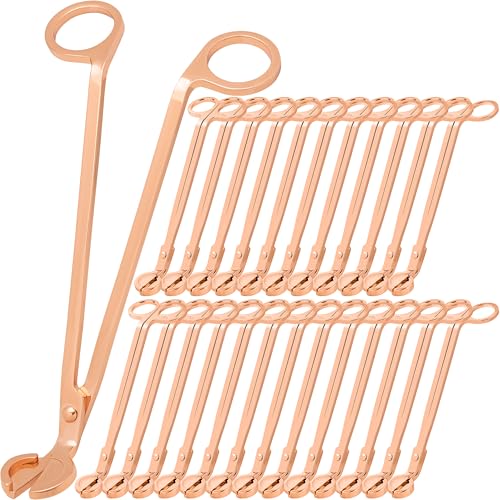
Pick Your Favorite Finish: No matter your interior design preference, we have a wick trimmer tailored for you. Choose from Black, Gold, Rose Gold, Silver, Brushed Gold, and Brushed Copper to complement your candles, decor, and gifting style

Easy to use bag tapers close bags in seconds
Optimal Burn Time for Candles

To achieve ideal performance from candles, burn times play a critical role in guaranteeing an even melt pool and lengthening the overall lifespan. For the initial burn, it is recommended to keep the candle lit for 1 hour per inch of diameter. For example, a 3-inch candle should burn for about 3 hours to guarantee full wax melt. Subsequent burn sessions should last between 2 to 3 hours, which allows the wax to melt evenly and reduces the risk of tunneling. Shorter burns, particularly those under 1 hour, can cause uneven wax pools, negatively affecting candle efficiency. Monitoring burn duration helps maintain a consistent melt pool, guaranteeing ideal wax consumption and prolonging the candle’s life. Additionally, using candles made from premium soy-paraffin blend wax can enhance the burn quality and reduce tunneling issues.
Recommended Products

Premium 12-Pack Value Set – This bundle contains 12 full-size 12 oz mason jar soy candles from Nika’s Home, delivering outstanding value and turn-key gift solution or home scent upgrade.

Another Wax Alternative: A blend of soy paraffin wax which has become a popular material for candle making enthusiasts in recent years; This soy candle wax holds 6% to 12% fragrance, and can be easily dyed to add versatility

Endless Design Possibilities - Pour Foton pearls into any suitable container to turn it into a candle. Get crafty with our generous stash of 30 premium candle wicks for candle making, ensuring your foton pearled candle's style always matches the season and your mood.
Environmental Factors to Prevent Tunneling

Maintaining consistent environmental conditions is essential to preventing candle tunneling. A stable, moderate room temperature, ideally between 65°F to 75°F, helps avoid rapid cooling that can lead to solidified wax and uneven surfaces. Additionally, airflow control is vital; candles should be placed away from vents and drafts, as excessive airflow can create irregular flame behavior and uneven melting patterns. High environmental humidity, exceeding 50%, may also disrupt wick combustion and impair melting. It is advisable to avoid placing candles in high-moisture areas like bathrooms. By ensuring stable humidity levels and controlling airflow, candle users can greatly reduce the risk of tunneling, promoting a more uniform and longer-lasting burn. Maintaining optimal humidity levels can be achieved with the use of humidifiers with humidistats, which help regulate moisture in the air.
Fixing Candle Tunneling

When a candle exhibits tunneling, it is vital to take immediate steps to restore its functionality and appearance. One effective fixing technique is the hair dryer method; using a low setting, warm the candle’s surface to promote even melting. Alternatively, the aluminum foil method involves covering the candle with foil, ensuring a small opening for the flame to burn through, trapping heat and facilitating an even melt. It is important to allow the wax to harden completely before relighting the candle. Regular candle maintenance, such as trimming the wick and ensuring an even burn surface, helps prevent future tunneling. By employing these techniques, candle enthusiasts can enjoy their candles in ideal condition for an extended period. Additionally, using clean-burning materials can improve indoor air quality and enhance the overall candle experience.
Recommended Products

[2-IN-1 CANDLE MAKING KIT]: Why choose one when you can create both—and even combine them? This innovative soy candle making kit and jelly candle making kit in one unlocks three distinct realms of candle crafting: craft velvety-smooth soy candles; pour crystal-clear jelly candles, suspending delicate dried flowers for a timeless, artistic display; or design stunning “fusion” pieces where both waxes interact in a single vessel. Easy to follow yet yielding impressive results, it’s designed for crafters who love to explore, create, and truly stand out.

3lb Natural White Beeswax Pellets: Premium white beeswax melts evenly with excellent adhesion and a clean burn. Ideal for DIY candle making, balms, and handmade craft projects. Beginner-friendly and perfect for hobby crafters who want consistent, professional results.

🎁Premium Candle Making Kit: Our candle making supplies is suitable for all levels and contains everything needed to make scented homemade candles: 8 candle essential scents(Rose+Lemon+Orange+Mint+Jasmine+Apple Cinnamon+Lavender+Vanilla essential oil),16 block Beeswax,1 thermometer,1 pouring pot,1 spoon,16 wick clips,16 candle tins,20 candle wicks,16 Warning labels,1 Scissors,1 rubber pads,8 dye,4 Dried flower,1 long Strip sticker,1 instruction.
Frequently Asked Questions
What Materials Can Cause Candles to Tunnel More Easily?
Like a river carving its path, wick materials and wax types greatly influence candle tunneling. Undersized wicks paired with harder waxes create stubborn pools, while improper formulations further exacerbate this frustrating issue through inconsistent melting characteristics.
Can Candle Scent Affect Tunneling Issues?
Candle scent can greatly affect tunneling issues. Scent types, particularly heavier fragrance oils, may increase the risk by altering wax characteristics and creating uneven melt pools, leading to incomplete burning and tunneling during use.
Is Candle Size Related to Tunneling Risks?
Larger candles, specifically those with a diameter over three inches, face increased tunneling risks if wick thickness doesn’t match. Proper wick sizing guarantees heat distribution, preventing uneven melting and ideal burn performance across varying candle diameters.
How Often Should I Replace My Candles?
Candles should generally be replaced based on usage patterns and burning habits, as these factors considerably influence candle lifespan. Frequent use and adverse atmospheric conditions may necessitate more regular replacements for ideal performance.
Does Candle Color Influence How They Burn?
Candle color does not considerably influence burn rates. Instead, factors like candle wax composition and wick size determine flame height and overall performance, ensuring consistent combustion regardless of the candle’s hue.