As an Amazon Associate, we earn from qualifying purchases. Some links on this site are affiliate links at no extra cost to you. Our recommendations are based on thorough research and editorial judgment.


Soy Wax Vs Paraffin Candles: Which To Choose

When choosing between soy wax and paraffin candles, consider their sources and performance. Soy wax, made from renewable soybean oil, offers longer burn times at about 4 grams per hour, with an average 8-ounce candle lasting 56 hours. In contrast, paraffin wax, a petroleum byproduct, burns faster at approximately 5 grams per hour. Soy candles produce lower emissions and cleaner burns, while paraffin candles have a stronger scent throw. Pricing varies, with soy wax costing between $3.69 and $11.22 per pound. For more insights, explore further details.
Key Takeaways
- Soy wax is a renewable resource, while paraffin wax is derived from non-renewable petroleum, making soy a more sustainable choice.
- Paraffin candles emit harmful chemicals like benzene, whereas soy candles burn cleaner with minimal soot and VOCs.
- Soy wax generally provides longer burn times, averaging 56 hours for an 8-ounce candle, compared to faster-burning paraffin.
- While paraffin wax has a stronger scent throw initially, soy wax retains fragrance better over time.
- Soy wax is more expensive and less widely available than paraffin, which is often cheaper and more accessible for manufacturers.
Material Source and Composition
You may be interested



The material source and composition of candle wax greatly influence both the production process and the end product’s characteristics. Soy wax, a plant-based renewable resource, is derived from soybean oil, while paraffin wax originates from petroleum refining, specifically as a byproduct of crude oil extraction. Sourcing implications arise in this scenario, as soy wax production depends on agricultural practices and the availability of soybeans. In contrast, paraffin wax’s reliance on petroleum exposes it to market volatility. Additionally, composition differences are stark; soy wax comprises hydrogenated soybean oil, presenting a lower melting point and denser consistency than paraffin, which consists of hydrocarbon chains processed through extensive refining. These variations directly affect candle burn quality, fragrance retention, and overall performance. Furthermore, soy wax candles tend to burn cleaner and longer, providing a more sustainable option compared to their paraffin counterparts.
Recommended Products


Elegant Rose Design: Handcrafted rose shaped soy wax candles topped with real dried flowers — perfect for weddings and romantic events.

Safer Ambience for Everyday Moments: Our sand wax candle design with self-extinguishing sand candle wicks minimizes fire risk if tipped and prevents hot wax spills; ideal for homes with pets or kids that won’t renounce stylish décor, offered in White, Red, Nude, and Black for cozy luxury
Environmental Impact and Health Considerations

Candle wax type greatly influences both environmental impact and health considerations. Soy wax, derived from renewable soybean oil, offers better sustainability factors, featuring lower carbon emissions and biodegradability. In contrast, paraffin wax, sourced from petroleum, leaves a higher ecological footprint due to its non-renewable nature and significant greenhouse gas emissions. Health-wise, soy candles burn cleaner, emitting minimal soot and fewer volatile organic compounds (VOCs), which enhances indoor air quality. Conversely, paraffin candles release harmful chemicals like benzene and toluene, linked to respiratory issues and other health risks. The combustion efficiency of soy wax contributes to its cleaner burn, while paraffin’s production results in toxic emissions, making soy a preferable choice for environmentally-conscious consumers and individuals with sensitivities. Additionally, many organic candles are crafted with essential oils for natural fragrances, ensuring a healthier alternative to synthetic scents commonly found in paraffin candles.
Recommended Products

SCENT - Champagne features fresh orange & mandarin zest, raspberry & Tuscan lemon sparkle, and a twist of grapefruit & ginger. Essences of rose and neroli, woven with verbena, make the scent effervescent and bright.

MASSIVE 8" × 14" LUXURY CANDLE – 300 OZ OF NATURAL COCONUT SOY WAX Make a statement with this Classic Big Ass Candle—our largest candle. This luxury candle delivers bold presence, elegant style, and room-filling fragrance. Perfect as a centerpiece for living rooms, great rooms, and upscale spaces.

UNIQUELY HANDMADE: Perfect for a relaxing ambiance! Each scented candle is crafted from real wood, providing a unique and sustainable touch. Heart shape elevates aesthetic!
Burn Time and Candle Performance

Understanding burn time and performance is essential for consumers choosing between soy and paraffin candles. Paraffin wax has a faster burn rate, consuming approximately 5 grams per hour, compared to soy wax, which operates at around 4 grams per hour. This difference results in soy candles lasting 30-50% longer, with an average 8-ounce soy candle burning for about 56 hours. Wick performance plays a significant role in burn efficiency; an optimized wick for soy wax guarantees a steady, slower burn, while paraffin’s hotter flame accelerates wax consumption. Additionally, the denser molecular structure of soy contributes to cooler, cleaner burns, enhancing indoor air quality and prolonging the candle’s life, making soy wax a valuable option for consumers prioritizing enduring performance. Moreover, the health benefits of humidifiers highlight how maintaining optimal humidity can also improve indoor air quality, complementing the use of soy candles for a healthier environment.
Recommended Products


Professional Wax Melter for Candle Making or Soap Making, Melter 3 Gallon Stainless Tank, Extra Deep for Your Larger Batches Of Candles or Soap, This Has Been Designed From Customers Requests and is Unlike Other Competitors.

100% Pure Beeswax Candle: Hand-poured from naturally filtered beeswax for a rich, golden glow. These clean burning candles are free from paraffin, soy, and synthetic fragrances. Each 1-wick dripless pillar candle features natural cotton candle wicks and pure candle wax for a long-lasting burn and warm, cozy candle light.
Scent Throw and Fragrance Retention
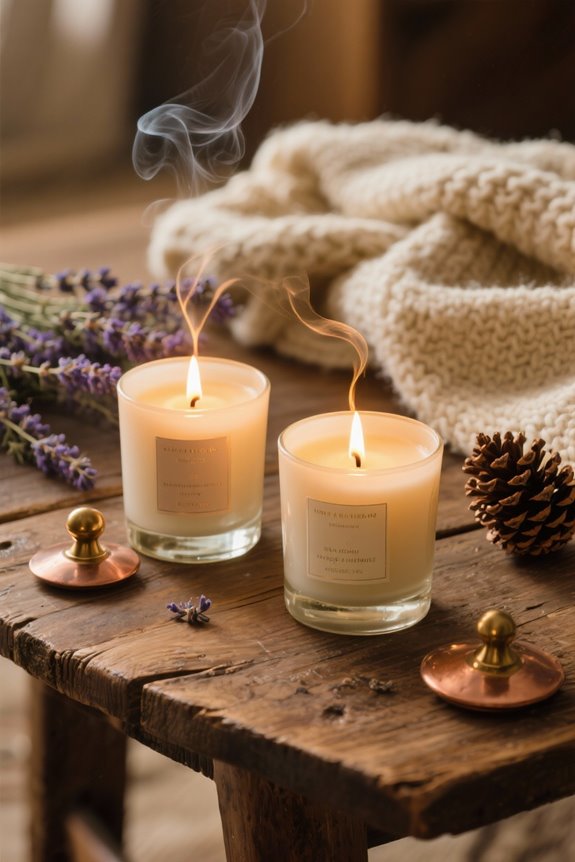
When comparing soy wax and paraffin candles, scent throw and fragrance retention emerge as critical factors in consumer preference. Paraffin wax typically generates a stronger hot throw due to its lower molecular density, allowing for rapid fragrance diffusion when melted. In contrast, soy wax, being denser, requires higher heat for melting, resulting in a slower fragrance release. Both waxes perform well in cold throw, but paraffin often delivers a more impactful initial scent. However, soy wax excels in fragrance retention, binding oils more tightly due to its molecular structure. This leads to a longer-lasting aroma, whereas paraffin candles experience quicker scent fade. Consequently, while paraffin offers immediate scent, soy wax provides durability in fragrance. Additionally, soy candles are known for their clean burn, which reduces indoor air pollutants and supports a healthier home environment.
Recommended Products

SOY CANDLE MAKING KIT FOR ADULTS: Make your own candles with our candle making supplies kit: natural soy wax for candle making 50 lb bag, 500 cotton candle wicks for candle making, 500 candle wick stickers for candle making, 10 wick holders.

45 LB Case All-natural container blend that is predominately coconut and fortified with vegetable waxes. The wax adheres with a smooth finish and receives color well. Coconut 83 has an excellent fragrance release (cold and hot throw) with a cooler burn profile when dialed in with balanced wicks.

NATURAL SOY WAX BEADS - Best candle making supplies make the best soy candles! These safe, ethically produced, microwavable and paraffin-free soy wax beads are smooth and creamy in appearance, perfect for votives, pillars, tealights, tarts and melts.
Cost and Availability

Cost and availability play significant roles in the choice between soy wax and paraffin candles, particularly as consumer preferences evolve. Paraffin wax, being petroleum-based, typically costs less, priced at around $2.75 per pound in bulk, whereas soy wax, derived from renewable soybean oil, ranges from approximately $3.69 to $11.22 per pound, depending on the purchase size. This price comparison affects budget decisions for consumers. Supplier options also differ significantly; paraffin wax is readily available from numerous suppliers, often favored by large candle manufacturers. In contrast, soy wax is more commonly found in specialty and eco-friendly stores. While bulk buying can lower costs for both types, soy wax generally promotes artisanal production, leading to different availability dynamics in the market.
Recommended Products

Safer Ambience for Everyday Moments: Our sand wax candle design with self-extinguishing sand candle wicks minimizes fire risk if tipped and prevents hot wax spills; ideal for homes with pets or kids that won’t renounce stylish décor, offered in White, Red, Nude, and Black for cozy luxury

Safer Ambience for Everyday Moments: Our sand wax candle design with self-extinguishing sand candle wicks minimizes fire risk if tipped and prevents hot wax spills; ideal for homes with pets or kids that won’t renounce stylish décor, offered in White, Red, Nude, and Black for cozy luxury
Frequently Asked Questions
How Do I Properly Care for Soy and Paraffin Candles?
Proper care for soy and paraffin candles enhances candle longevity and improves fragrance throw. Techniques include proper burning duration, regular wick trimming, and removing debris. Additionally, maintaining a clean container and avoiding drafts promotes an even burn.
Can I Mix Soy and Paraffin Wax Together?
Blending soy and paraffin wax can elevate candle performance; using a 70/30 ratio can enhance scent throw by up to 30%. Various wax blending techniques cater to different aesthetic and functional preferences in candle performance comparison.
What Are the Best Wick Types for Each Wax?
Wick selection greatly influences burning performance. ECO, CD, and wooden wicks excel with soy wax, while Premier 700, CD, and LX types suit paraffin. Testing is essential for best results across varying wax compositions and conditions.
How Do Soy and Paraffin Candles Affect Allergies?
Soy candles generally pose less risk for individuals with scent sensitivity and respiratory issues, as they burn cleaner and produce fewer irritants compared to paraffin candles, which can exacerbate allergies and breathing difficulties.
Are There Specific Storage Recommendations for These Candles?
What if the key to a candle’s enduring allure lies in its storage? Proper storage tips, such as maintaining cool temperatures and low humidity, markedly enhance a candle’s lifespan, preserving fragrance and overall integrity.