As an Amazon Associate, we earn from qualifying purchases. Some links on this site are affiliate links at no extra cost to you. Our recommendations are based on thorough research and editorial judgment.


Leg Elevation Wedge Pillows And Circulation Benefits

Leg elevation wedge pillows enhance circulation by positioning the legs at an ideal incline of 10-15 degrees. This elevation promotes venous return, reducing swelling and lowering venous pressure. A wedge height of 6 to 12 inches, with the thicker end facing the knees, supports proper alignment. Effective leg positioning can boost blood flow, improve healing, and alleviate pain. These pillows are particularly beneficial for post-surgical patients and individuals with chronic venous conditions, leading to various health benefits. Discover additional insights into their usage and comfort.
Key Takeaways
- Leg elevation wedge pillows enhance venous return by promoting blood flow back to the heart, reducing the risk of pooling in the legs.
- Elevating legs decreases venous pressure, preventing swelling and supporting fluid drainage after prolonged periods of sitting or standing.
- They improve circulation by aiding the functioning of vein valves, increasing blood flow, essential for individuals with chronic venous disorders.
- Wedge pillows support ergonomic positioning, alleviating pressure on the lumbar spine and enhancing overall comfort while sleeping or resting.
- Increased circulation from leg elevation aids in post-surgery recovery and can improve sleep quality for individuals with certain health conditions.
Understanding Leg Elevation and Circulation
You may be interested


Leg elevation greatly influences circulation, particularly in the lower extremities. Utilizing effective leg elevation techniques, such as positioning the legs at a moderate angle of around 15°, enhances venous return by reducing fluid pooling. This strategy alleviates swelling and discomfort, as studies reveal significant reductions in calf and ankle circumference after timed elevation sessions of just 15 minutes. Additionally, elevating legs above heart level lowers venous pressure, preventing the onset of varicose veins and promoting overall circulatory health. It supports vein valves, ensuring blood moves efficiently towards the heart. Incorporating these circulation enhancement strategies regularly not only diminishes leg heaviness but also assists in reducing symptoms associated with inflammatory conditions and venous insufficiency, consequently contributing to improved limb comfort and health. Furthermore, using knee wedge pillows can provide the necessary elevation and support for optimal recovery and circulation.
How Gravity Aids Venous Blood Return

Gravity plays a pivotal role in aiding venous blood return, particularly in the lower extremities. The mechanics of gravity dynamics cause blood to accumulate in the legs when standing, increasing venous pressure. This results in a lower central venous pressure (CVP), ultimately reducing preload for the right ventricle. Consequently, systemic circulation may experience decreased flow despite a pressure gradient favoring venous return. The anatomy of veins, characterized by high compliance, allows significant expansion with increased blood volume, shifting blood towards the lower limbs. While this aids venous return, factors like vascular resistance also influence overall circulation. As a result, understanding these dynamics and the implications for conditions like edema or venous thromboembolism emphasizes the importance of gravity’s role in maintaining efficient blood flow. Additionally, using wedge pillows can further promote optimal positioning to enhance circulation and reduce discomfort in the lower extremities.
The Role of Venous Valves and Muscle Pumps

The efficiency of venous return in the lower extremities greatly relies on the interplay between venous valves and muscle pumps. Venous valves, structured as two U-shaped flaps, guarantee unidirectional blood flow toward the heart by opening during muscle contraction and closing to prevent backflow. This valve functionality is critical for overcoming hydrostatic pressure, especially in the legs. Simultaneously, muscle contraction, particularly from calf muscles, compresses deep veins, propelling blood upward. During relaxation, these veins refill as proximal valves reopen, completing the cycle. This coordinated action prevents blood pooling and reduces venous pressure. Impaired function of either valves or muscle pumps can lead to venous insufficiency, highlighted by conditions such as swollen limbs and varicose veins. Additionally, maintaining proper indoor air quality can support overall health, which may have indirect benefits for vascular health.
Optimal Positioning for Leg Elevation

When positioning for optimal leg elevation, several key factors influence effectiveness and comfort. The ideal incline angle for leg support is around 10-15 degrees at the shins, with hip flexion ideally at 30 degrees. Wedge pillows should be 6 to 12 inches high, corresponding to a 30 to 45-degree incline. Placement of the thicker end towards the knees guarantees a smooth, gradual elevation. Supporting both the calves and knees prevents hyperextension and excessive pressure. Medium-firm to firm pillow materials, like high-density foam, retain shape and provide consistent support. Lightweight designs allow easy adjustment, while heavier ones improve stability. Maintaining legs slightly above heart level enhances venous return, promoting circulation and reducing discomfort during extended elevation. Additionally, adjustable wedge pillows can offer customized support tailored to individual needs for enhanced comfort and effectiveness.
Benefits of Reducing Swelling and Inflammation

Reducing swelling and inflammation through leg elevation offers significant health benefits, especially for individuals facing circulatory challenges. Elevating the legs above heart level decreases venous pressure, effectively preventing leg swelling by minimizing fluid leakage from capillaries. This technique aids in gravity-driven fluid drainage, particularly after prolonged sitting or standing. Leg elevation pillows enhance this position, promoting proper vein valve function and improving venous return. Regarding inflammation reduction, diminished swelling lowers tissue stress, facilitating faster healing post-surgery or injury by improving nutrient delivery. Additionally, it reduces pain perception, contributing to overall comfort. Clinically, an elevation angle with knees slightly above heart level is often recommended for ideal results in both swelling and inflammation management. Incorporating orthopedic wedge pillows can further optimize these benefits by providing tailored support.
Recommended Products

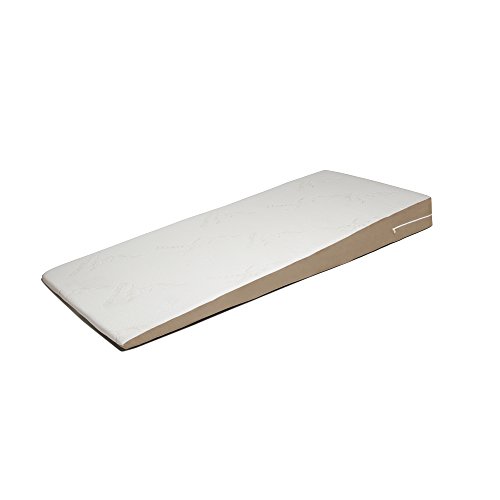
Full Length Bed Wedge - Inclined bed wedge pillow mattress topper that fits across the entire length and half the width of a King Size Bed/Mattress

Advanced Post-Surgery System: Specially engineered to provide anatomical support after abdominal procedures like Tummy Tuck and C-Section, reducing incision tension through customizable “Zero-Gravity” elevation for a comfortable, secure rest.
Mechanism Behind Fluid Movement in Elevated Legs
Elevated legs facilitate efficient fluid movement through a complex interplay of gravitational forces and hemodynamic changes. Elevation therapy employs gravity to assist blood flow back to the heart, reducing pressure in leg veins and minimizing venous pooling. This process results in enhanced venous return, increasing cardiac preload and central blood volume. Studies indicate that passive leg elevation induces a 10–15% increase in stroke volume. Furthermore, a 45° elevation angle optimizes gravitational displacement without causing discomfort. By lowering venous pressure, a favorable pressure gradient toward the heart is established, enhancing venous return. Additionally, fluid dynamics are improved, as gravity aids lymphatic drainage, reduces interstitial fluid accumulation, and supports tissue health, highlighting the benefits of leg elevation for circulation. Moreover, using a bed wedge pillow can further enhance the effectiveness of elevation therapy by providing optimal support and comfort during rest.
Effects on Venous and Lymphatic Health
Leg elevation greatly impacts venous and lymphatic health, presenting various benefits for individuals experiencing circulatory issues. By raising the legs above heart level, enhanced venous return occurs, minimizing blood pooling and strain on veins. This elevation markedly alleviates swelling and discomfort associated with venous complications. In addition, it reduces pressure on affected veins, providing relief from conditions such as varicose veins. On the lymphatic side, leg elevation promotes lymphatic drainage, facilitating toxin clearance and reducing inflammation. Regular elevation sessions can have systemic benefits, contributing to improved fluid balance and aiding in wound healing. Specifically, it’s essential for managing chronic venous insufficiency and lymphedema, as reducing fluid accumulation directly enhances circulation and overall health. Moreover, using a leg elevation wedge pillow can further optimize the benefits by ensuring proper positioning and support during elevation sessions.
Pain Relief and Spinal Support From Leg Elevation
Pain relief and spinal support are noticeably enhanced when utilizing elevation wedges for leg positioning during rest. Elevating the legs with wedge pillows induces mild hip flexion, promoting lumbar spine flexing, which can alleviate pressure on the spinal cord. This advantageous positioning helps reduce strain on the lumbar region, essential for individuals suffering from chronic pain. Wedge pillows also support post-surgical recovery, particularly following knee or hip procedures, by minimizing swelling and discomfort at the surgical site. Enhanced leg elevation facilitates improved fluid drainage, promoting faster healing. In addition, consistent use of these wedges can reduce pain associated with poor posture and extended periods of inactivity, ensuring better overall spinal alignment and improving comfort for users. Moreover, the improved blood circulation achieved through leg elevation is crucial for recovery and overall well-being.
Recommended Products
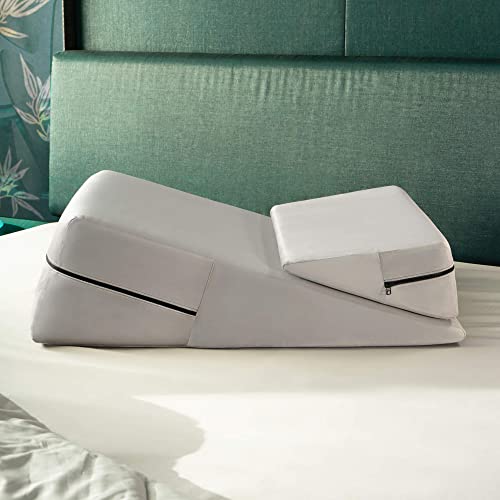
New Angles And Support - Supportive 12” & 7” high slant combo for back and knee support, yoga positioning, stretching routines, and body massage. Offers new angles for maximum support and alignment

MAKE YOURSELF COMFORTABLE, MULTI-USE – Whether for post-surgery recovery, GERD, acid reflux, or simply a more comfortable rest and sleep experience, the Kӧlbs 4-piece orthopedic bed wedge pillow set is sure to deliver. It can be used in multiple configurations to ensure your comfort. Elevate your head, kick up your legs, and relax. This 4-piece set includes bed pillows and positioners: a wedge pillow and cradle, headrest, and leg pillow.

Tailored Upper-Body Support: This 4-piece modular system isolates and supports the shoulder and torso, preventing unwanted movement during sleep to provide a comfortable, stable resting environment after upper-body procedures.
Use Cases for Leg Elevation Wedge Pillows
Effective use of leg elevation wedge pillows serves to enhance circulation and promote recovery across various scenarios. These pillows provide notable leg elevation benefits, greatly improving blood flow back to the heart while reducing swelling. During post-surgery recovery, wedge pillow features such as adjustable inclines allow for tailored support that minimizes fluid buildup and decreases the risk of blood clots. For conditions like varicose veins or deep vein thrombosis (DVT), elevated legs help manage symptoms through improved venous return. In daily life, these pillows can enhance comfort during activities like reading or watching TV, while their ergonomic designs guarantee proper leg positioning. The incorporation of supportive materials further contributes to relieving pressure and improving overall user comfort. Additionally, using wedge pillows can effectively support conditions like acid reflux and back pain, improving overall sleep quality and comfort.
Recommended Products

BED WEDGE PILLOW FOR SLEEPING OR SITTING - This wedge pillow for back pain relief and digestion support is designed to elevate and align the spine so gravity can help keep gastric acid correctly placed in the body.

FULL BODY SUPPORT. The Lenora wedge pillow set consists of 5 different components that can be used in a variety of positions. The pillows can be used under your head, lower back, or to elevate your legs, providing the ultimate in comfort and support. You can position yourself to relieve shoulder, lower back or leg pain after surgery. The wedge pillow system can also help alleviate acid reflux, GERD, or reduce snoring. It makes an ideal post-surgery recovery gift for your loved one!

[MEASUREMENTS]18" Width, 11" Height, 20 3/4"
User Populations That Benefit Most
Various user populations benefit greatly from the use of leg elevation wedge pillows, which promote better circulation and alleviate discomfort. Post-operative patients experience significant advantages, as elevation helps control pain and minimizes swelling after surgeries involving lower limbs. Chronic venous disorder patients, such as those with varicose veins, find relief from pressure and improved blood return. Pregnant women, particularly in later trimesters, notice reduced foot swelling and improved sleep quality. Office workers who sit for prolonged periods often struggle with leg fatigue; elevation decreases discomfort and reduces the risk of venous issues. Additionally, individuals with sleep disorders, including restless legs syndrome, can enhance comfort and circulation at night by utilizing these pillows during rest and sleep. Wedge pillows also aid in better sleep posture, which can further contribute to overall health and well-being.
Recommended Products

BED WEDGE PILLOW FOR SLEEPING OR SITTING - This wedge pillow for back pain relief and digestion support is designed to elevate and align the spine so gravity can help keep...
Risks and Limitations of Leg Elevation
While leg elevation with wedge pillows offers notable benefits, several risks and limitations warrant careful consideration. Incorrect pillow alignment can lead to significant muscle strain in the knees and back, especially if the wedge’s height is not suitable. A wedge that is too firm or soft may impede circulation, resulting in discomfort or numbness in the feet. Additionally, misalignment of the neck and spine can exacerbate pain over time, negating the desired elevation effects. For individuals with underlying circulatory conditions, such as peripheral artery disease, improper elevation can worsen symptoms. Likewise, maintaining straight legs during elevation can hinder blood flow and increase knee strain, underscoring the importance of proper technique and supportive materials when using wedge pillows.
Importance of Medical Consultation for Certain Conditions
Medical consultation plays a pivotal role for individuals with specific health conditions, particularly concerning complications related to leg elevation and circulation. For those with underlying conditions such as diabetes, heart disease, or venous disorders, professional medical consultations are essential. These consultations help identify the appropriateness of leg elevation techniques and provide tailored recommendations. Early intervention through timely medical consultations can reduce the risk of complications, such as venous insufficiency or deep vein thrombosis. According to health studies, individuals who engage in regular consultations typically have better health outcomes and fewer misdiagnoses. Teleconsultations have also gained traction, providing convenient access to healthcare professionals. Overall, addressing health conditions through structured consultations leads to improved patient experiences and enhanced safety.
Ensuring Comfort and Correct Usage
Guaranteeing proper comfort and correct usage of leg elevation wedge pillows is essential for maximizing their health benefits. Users should elevate their legs approximately 8-10 inches, facilitating natural spinal and knee alignment. Positioning the wedge under the calves or knees can effectively reduce lower back pressure, enhancing venous return. Wedge pillow designs featuring contoured curves promote better leg alignment and minimize joint stress. Selecting materials like high-density memory foam provides dependable ergonomic support while guaranteeing longevity of shape. Users should regularly adjust the wedge’s position to avoid stiffness and maintain circulation, and consider pillows with breathable covers for hygiene. Proper placement on stable surfaces further guarantees safety and effectiveness, enhancing overall comfort during use.
Recommended Products
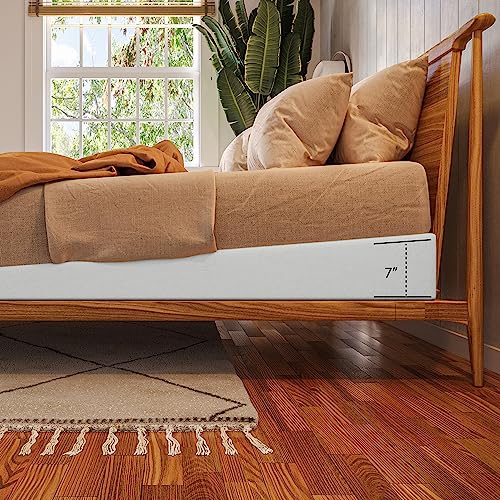
7″ Incline for Maximum Relief — Delivers a steeper angle to more aggressively counter severe acid reflux, GERD, and respiratory issues — best suited for users who can adapt to a higher elevation and sleep angle.

【Warm Tips】In order to reduce the damage during transportation, we attached a dust cover, you can remove it after receiving the product. The mattress wedge topper is compressed by a roll. Please decompress it flat before use, and place it in a well-ventilated environment for 24-72 hours to fully expand. The expansion time of the mattress elevator will vary depending on the environment.
Monitoring for Discomfort During Use
How can users effectively monitor discomfort while utilizing leg elevation wedge pillows? Observing key discomfort indicators is essential for ideal use. Users should assess spine alignment, checking for signs of misalignment that may lead to pain. Coccyx pressure should also be evaluated; effective elevation reduces this discomfort. Additionally, users can monitor leg positioning to guarantee strain on the lower back is minimized. Muscle strain may arise from improper firmness, necessitating elevation adjustments to enhance comfort. Swelling in the legs indicates successful elevation, while identifying pressure points helps with ideal pillow positioning. Regular check-ins for signs of restricted blood flow can also guide users in making necessary modifications, guaranteeing overall comfort and enhanced circulation during use.
Frequently Overlooked Tips for Effective Elevation
Proper leg elevation is a technique often overlooked, yet it plays a considerable role in maximizing the benefits of wedge pillows. Effective elevation positioning involves elevating the legs between 6 to 12 inches above heart level, greatly improving circulation enhancement. For back sleepers, placing the wedge under the knees and calves maintains spine alignment. In contrast, side sleepers should position the wedge between their legs, guaranteeing hip alignment. Post-surgery, adhering to healthcare providers’ guidelines for elevation angles is crucial. Users should start with short durations of 15 to 30 minutes, gradually increasing as comfort improves. Consistently checking and maintaining the wedge pillow material guarantees ideal support. These strategic adjustments contribute to better circulation and overall well-being.
Frequently Asked Questions
How Long Should I Elevate My Legs Daily for Best Results?
For best results, individuals should elevate their legs daily for an ideal duration of 15 to 30 minutes, ideally two to three times. This practice offers numerous daily benefits, including improved circulation and reduced swelling.
Can Leg Elevation Pills Help With Weight Loss?
Leg elevation pillows do not facilitate weight loss; their primary benefit is enhancing leg circulation. While improved circulation may support overall well-being, they cannot replace essential weight management strategies like regular exercise and a balanced diet.
What Materials Are Best for a Leg Elevation Wedge Pillow?
The best materials for a leg elevation wedge pillow include memory foam for its supportive and contouring properties, combined with breathable fabrics that enhance air circulation, ensuring comfort and temperature regulation during use.
Are There Alternative Methods for Leg Elevation Besides Wedge Pillows?
Alternative elevation techniques include using books, sofa armrests, or walls to raise the legs. These methods assist in circulation improvement, promoting better blood flow and reducing discomfort without relying solely on specialized pillows.
Can I Sleep With My Legs Elevated All Night?
Ironically, while some seek better sleep quality through leg elevation all night, others may find discomfort. Though health benefits exist, individuals should evaluate personal comfort and potential drawbacks before committing to this sleeping arrangement.


