As an Amazon Associate, we earn from qualifying purchases. Some links on this site are affiliate links at no extra cost to you. Our recommendations are based on thorough research and editorial judgment.


Non Toxic Candle Guide: Ingredients And Safety

Non-toxic candles are made from safe ingredients that enhance air quality. Natural waxes like soy, beeswax, and coconut burn cleanly with minimal soot, while cotton and wooden wicks reduce harmful emissions. Essential oils or phthalate-free fragrances are recommended for scent, avoiding toxic additives. Paraffin wax and artificial dyes should be avoided due to their carcinogenic properties. Proper safety practices, like adequate ventilation and ASTM compliance, guarantee reduced indoor air pollution. More details on these practices can provide further insights.
Key Takeaways
- Choose candles made from natural waxes like soy, beeswax, or coconut for a clean burn and minimal soot production.
- Opt for pure essential oils or phthalate-free fragrances to ensure pleasant aromas without harmful chemicals.
- Use cotton or untreated wooden wicks to reduce toxic emissions during combustion.
- Avoid paraffin wax and candles with artificial dyes to minimize exposure to carcinogenic substances.
- Follow safety practices such as proper ventilation and fire risk management when making candles.
Understanding Non-Toxic Candle Ingredients
You may be interested


Understanding non-toxic candle ingredients is vital for consumers seeking cleaner alternatives to conventional products. Many conventional candles contain harmful substances like paraffin wax, which can release benzene and toluene upon burning, contributing to respiratory issues. Non-toxic candles prioritize safe ingredient sourcing, utilizing materials like soy and beeswax that burn cleanly. Fragrance options also play an important role; pure essential oils or phthalate-free fragrances provide pleasant aromas without the indoor air pollution linked to synthetic scents. Additionally, avoiding metal-core wicks, which may emit toxic metals, further enhances safety. Consumers should look for transparency in labeling to guarantee the absence of undisclosed chemicals. Ultimately, understanding these ingredients enables healthier choices for both individuals and the environment. Furthermore, many beeswax candles offer air purification benefits as they release negative ions, improving indoor air quality while burning.
Types of Natural Waxes Used in Candles

Natural waxes are essential components in the production of eco-friendly candles, each type offering distinct advantages. Soy wax benefits from its renewable source—soybeans—which are known for being biodegradable and sustainable. This wax burns cleanly with minimal soot, making it ideal for container candles. In contrast, beeswax properties include natural air-purifying qualities and a slow, smokeless burn, suitable for pure candles. Other natural options include coconut wax, prized for its luxurious texture and excellent fragrance throw; palm wax, known for its durable crystalline structure; and rapeseed wax, which burns cleanly and is an effective alternative to synthetic waxes. Each wax contributes to the creation of non-toxic candles tailored for various needs and preferences. Additionally, choosing candles made with natural essential oils can enhance the fragrance experience without harmful additives.
Recommended Products

Elegant Rose Design: Handcrafted rose shaped soy wax candles topped with real dried flowers — perfect for weddings and romantic events.
![VINEVIDA [128 oz] Scent Black Tie; Fragrance Oil for Candle Making and Soap Making - Winter & Holiday Oils](https://m.media-amazon.com/images/I/31o9r6SEGUL._SL500_.jpg)
Versatile Uses: Perfect fragrance oil for candle making; ideal for soy wax, soap making, perfume making, body butter, car freshies; create professional quality scented products with these concentrated essential oil alternatives

100% Pure Beeswax Candle: Hand-poured from naturally filtered beeswax for a rich, golden glow. These clean burning candles are free from paraffin, soy, and synthetic fragrances. Each 1-wick dripless pillar candle features natural cotton candle wicks and pure candle wax for a long-lasting burn and warm, cozy candle light.
Safe Wick Materials for Clean Burning

In the domain of candle-making, the choice of wick material greatly influences the overall safety and performance of the product. Safe wick materials include cotton, wooden, and paper-core wick types, each offering clean-burning benefits. Cotton wicks, especially un-cored, emit fewer volatile organic compounds (VOCs), enhancing air quality. Wooden wicks provide a sustainable alternative, but must be untreated to avoid chemical emissions. Paper-core wicks offer a lightweight, non-toxic option as they lack harmful chemicals. ECO wicks, a blend of cotton and paper, maintain structural integrity without synthetic additives. Conversely, synthetic fiber wicks and those coated with paraffin should be avoided, as they can release toxic substances during burning. Therefore, careful wick material selection is essential for a non-toxic candle experience. Additionally, opting for candles made from 100% natural beeswax further ensures a cleaner burn and supports sustainable practices.
Recommended Products

👟【Comfortable barefoot Fit】As grounding shoes, the wide-toe design ensures ample space, providing a comfortable fit without squeezing your feet while walking, promoting natural ergonomics akin to barefoot experiences.

👟【Advanced Barefoot Design】Embrace natural ergonomics with our shoes that simulate the barefoot experience. The extra wide-toe design ensures ample space, giving your a comfortable fit without squeezing your feet of walking.
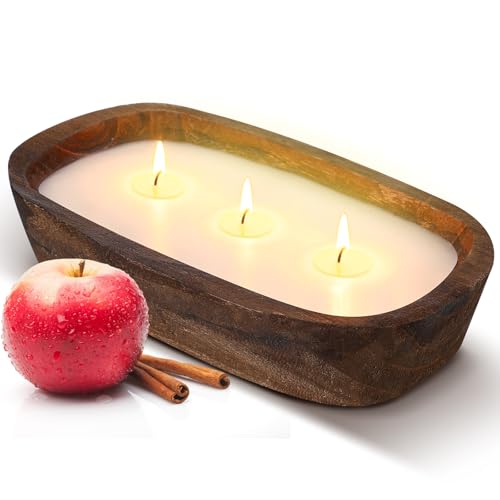
Triple Wick Candles: our exclusive candle set includes 1 beautifully crafted wooden dough bowl candle, each candle is designed with 3 wicks, each candle emits a captivating apple cinnamon scent, turning your living space into a relaxing leisure place
Toxins to Avoid in Candle Production

Selecting safe wick materials marks the beginning of a non-toxic candle journey, but identifying and avoiding harmful substances during production is equally important. Paraffin wax, a common ingredient, emits volatile organic compounds (VOCs) like benzene and toluene, which are carcinogenic. Additionally, many scented candles incorporate harmful fragrances and phthalates, which release potent toxins when burned. Toxic dyes often contain toluene derivatives and can contribute to severe health risks, including urothelial cancer. Low-quality candles may use artificial dyes, further increasing overall toxicity. To minimize exposure, consumers should opt for candles made with natural waxes, essential oils, and undyed materials, which greatly reduce emissions of dangerous chemicals and improve indoor air quality. Moreover, choosing eco-friendly materials not only supports a healthier home environment but also promotes sustainability.
Recommended Products

Quality - We produce our Lavender essential oil using pure, natural, and raw ingredients.


SCENT - Sea & Dune evokes fresh lemon and spicy coastal lily falling into watery blue lotus and natural sea grass. Warm golden amber and cool sea spray invite you to escape to endless summer days.
Candle Safety Practices and Emission Standards

While candle production presents enjoyable creative opportunities, it also necessitates stringent safety practices and adherence to emission standards to guarantee both consumer protection and product quality. Proper candle handling involves using insulated gloves for managing hot wax and providing adequate ventilation during production to prevent inhaling fumes. Manufacturers are required to store materials like wax and fragrance oils away from ignition sources. Fire safety measures must include accessible extinguishers and a clutter-free workspace. Additionally, candles require thorough labeling, which must feature warnings such as “Burn within sight” and “Keep away from drafts, children, and pets.” Compliance with ASTM standards and emissions testing ensures that dangerous substances, including excessive volatile organic compounds, are minimized for the safety of consumers and indoor air quality. Incorporating flameless candle technology can further enhance safety by eliminating fire hazards associated with traditional candles.
Recommended Products

Dusk to Dawn Technology – Keep your home as efficient as possible, with dusk to dawn technology the animated flame bulb will immediately ignite when the sun starts to set

✨ Timeless Artisan Craftsmanship. Sleek elegance meets vintage allure. Featuring hand-polished antique bronze & gold finishes paired with premium K9 crystals—each facet cut for maximum brilliance. Soft, crystal-clear illumination creates aristocratic ambiance through refined light refraction.
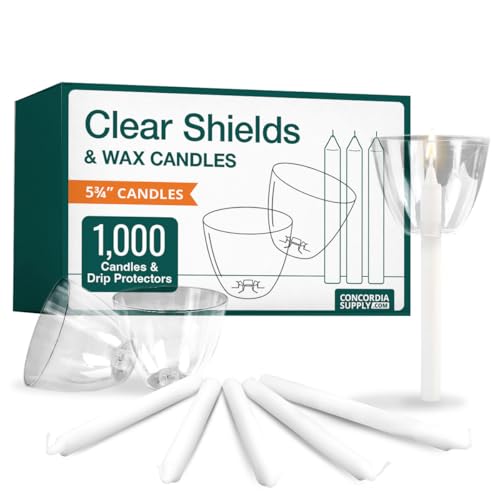
USER-FRIENDLY, SAFE, & WAX-FREE: The 2.75 inch in diameter candle protector is safe and easy to hold, designed to snugly fit 1/2" diameter candles, providing a secure grip and preventing candle shifting during use. This design protects hands from hot wax drips, reducing the risk of burns, making it ideal for use in crowded or communal settings. Perfect for church candles, vigil candles, and memorial candles.
Frequently Asked Questions
Can Non-Toxic Candles Still Produce Soot?
“Where there’s smoke, there’s fire.” Despite being labeled non-toxic, candles can still produce soot. Soot production varies based on candle materials, wick performance, and burn conditions, affecting the overall combustion efficiency and emissions.
How Do I Choose the Right Candle Scent?
To choose the right candle scent, individuals consider personal candle scent preferences and employ scent layering techniques, blending familiar aromas with new ones. Seasonal trends and intended moods further guide their selections for ideal ambiance.
Are Non-Toxic Candles More Expensive Than Regular Candles?
Non-toxic candles typically exhibit higher prices than regular candles, reflecting a cost comparison driven by eco-friendly options and quality ingredients. Consumers often perceive these candles as worthwhile investments for health, safety, and environmental benefits.
How Long Do Non-Toxic Candles Typically Burn?
Non-toxic candles typically burn between 30 to 90 hours, depending on wax types and other factors. Beeswax offers the longest durations, while coconut-soy blends and standard soy exhibit moderate burn durations around 40 to 50 hours.
Can I Reuse Candle Containers for Non-Toxic Candles?
Yes, candle container reuse is possible, but safety precautions are essential. Proper cleaning and ensuring no wax remains prevents contamination. The thrill lies in transforming these containers into unique, functional decor pieces, sparking creativity and sustainability.