As an Amazon Associate, we earn from qualifying purchases. Some links on this site are affiliate links at no extra cost to you. Our recommendations are based on thorough research and editorial judgment.


Oil Filled Radiator Heaters: Are They More Energy Efficient

Oil-filled radiators are more energy-efficient than traditional electric heaters. They utilize a thermal inertia system, which retains heat in thermal oil and releases it gradually. This method lowers electricity usage, leading to reduced costs. Oil-filled models can maintain a steady temperature with a heat retention capability lasting hours after being turned off. Additionally, their longevity, often ranging from 10 to 20 years, supports resource conservation. For further insights on their operational benefits and environmental impact, additional information follows.
Key Takeaways
- Oil-filled radiators are more energy-efficient than traditional electric heaters, as they cycle off more frequently, resulting in lower electricity bills.
- They provide consistent warmth due to excellent heat retention from thermal oil, minimizing temperature fluctuations and reducing energy consumption.
- With no exposed heating elements, oil-filled radiators operate safely, generating gentle heat while maintaining low electricity usage.
- Modern models feature programmable timers and smart controls, optimizing energy consumption and enhancing efficiency during heating periods.
- Their long lifespan and low maintenance requirements further contribute to sustainable energy use and reduced environmental impact.
Understanding Energy Efficiency in Heating
You may be interested



Understanding energy efficiency in heating systems is essential for making informed choices about home comfort and utility costs. Heating system efficiency is commonly measured by metrics such as Annual Fuel Utilization Efficiency (AFUE) and Coefficient of Performance (COP). Modern high-efficiency boilers can achieve AFUE ratings up to 90%, meaning they convert 90% of fuel energy into usable heat. In contrast, geothermal heat pumps often boast COP ratings between 3 and 6, indicating three to six units of heat output for every unit of energy consumed. Systems with higher efficiency ratings lead to reduced energy consumption, resulting in lower operational costs. Consequently, selecting an efficient heating system can greatly impact overall utility expenses while enhancing home comfort. Additionally, comfort-focused designs in heating systems can contribute to a more pleasant living environment.
The Mechanism of Oil-Filled Radiators

Oil-filled radiators function through a distinctive mechanism that capitalizes on electric inertia to provide consistent warmth in residential spaces. The heating elements, typically metal resistive coils, warm thermal oil contained within the radiator. As this thermal oil heats up, it expands and rises, initiating convection cycles that distribute heat evenly throughout the structure. Meanwhile, heat transfer occurs via conduction, convection, and radiation, ensuring efficient warmth generation. The radiator’s design features columns and fins that increase surface area, facilitating peak heat dissipation. After the heating element is turned off, the stored thermal energy continues to radiate, making these units effective for prolonged heating even after power cessation, promoting energy-efficient performance. Additionally, many models, such as Dreo’s innovative design, include advanced fins that enhance heat dispersion for improved efficiency.
Heat Retention: A Key Advantage

One of the primary advantages of oil-filled radiators lies in their exceptional heat retention capabilities, which contribute to efficient heating in various environments. These radiators utilize thermal oil sealed within metal columns to achieve superior heat absorption, storing warmth for extended periods. Even after the thermostat deactivates, the oil continues to release heat, creating an environment of temperature stability. This gradual heating method eliminates sudden temperature fluctuations, providing consistent warmth. With no exposed heating elements, radiators emit gentle heat through convection, maintaining safe surfaces. Their silent operation reduces noise, fostering comfort in serene spaces, while the efficient design minimizes electricity usage by decreasing the frequency of heating cycles, thereby lowering overall energy costs in the long run. Additionally, many modern heaters, including Dreo Portable Electric Space Heaters, incorporate advanced features that enhance both safety and efficiency.
Comparing Oil-Filled and Other Electric Heaters

Electric heating solutions present a range of options, each with its specific advantages and drawbacks. Oil-filled heaters, for instance, excel in energy efficiency due to their heat retention capabilities. Unlike electric heaters such as ceramic or infrared models, which provide immediate warmth but require constant power, oil-filled radiators cycle off more frequently. This leads to lower electricity bills over time. Electric heater comparisons indicate that while traditional electric models heat quickly, they can result in uneven temperatures and higher running costs if used continuously. The slow, steady heat radiated by oil-filled units fosters consistent comfort, especially in larger spaces. This difference often makes oil-filled heaters a preferred choice for long-term, cost-effective heating solutions. Additionally, models like Dreo Portable Electric Heater offer advanced features such as quiet operation and remote control, enhancing user experience.
Recommended Products

Heat your space without kicking up dust or other allergens. The natural convection airflow doesn't rely on a blower or fan to move warm air throughout the room.

WIDE AREA HEATING: The Home Comfort 1500 Infrared Heater is designed to provide supplemental heat for indoor spaces such as basements, living rooms, and workshops. Recommended for use in well-insulated areas to maintain consistent ambient temperatures.
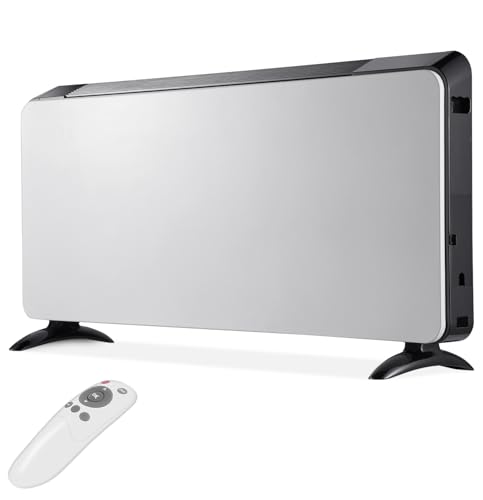
【Lightning-Fast X-Aluminum Heat】 Unleash the power of our convection panel space heater, featuring a cutting-edge X-shaped aluminum fin design for rapid heat distribution across your 350 square foot space. Experience the serenity of silent operation, all while maintaining optimal oxygen and humidity levels for a cozy, comforting environment.
The Role of Thermal Inertia in Energy Savings

Thermal inertia plays a significant role in enhancing energy savings within heating systems. This property, which measures a material’s ability to absorb and release heat, offers notable thermal inertia advantages. For example, materials like concrete and brick exhibit high thermal inertia, effectively moderating temperature fluctuations. By maintaining temperature stability, these materials lower heating energy consumption by up to 20% in regions with large temperature swings. This buffering effect reduces the frequency of HVAC cycling and mitigates system wear and tear, extending lifespan. Additionally, stored heat from the day gradually releases during the night, minimizing the need for continuous heating. Ultimately, the integration of thermal inertia not only improves occupant comfort but also enhances overall energy efficiency throughout the year. Moreover, using humidifiers for winter can complement heating systems by improving indoor air quality and comfort during colder months.
Advanced Features of Modern Oil-Filled Radiators
Modern oil-filled radiators offer a variety of advanced features that enhance their efficiency and usability, particularly in residential and commercial heating applications. They often include smart controls, enabling users to manage heating remotely via smartphone apps. This feature pairs well with precise digital thermostats that maintain desired temperatures, reducing unnecessary energy use. Programmable timers allow for automatic on/off cycles tailored to user routines, optimizing energy consumption. Some advanced models also feature multi-mode settings, including eco modes that smartly adjust power usage. In addition, integrated safety features such as overheat protection sensors and tip-over switches guarantee reliable operation. Together, these capabilities considerably improve heating efficiency while prioritizing safety and user convenience. Additionally, modern oil-filled radiators are increasingly designed with advanced filtration technologies, which can also contribute to improved indoor air quality by minimizing airborne pollutants.
Recommended Products

Your Reliable Companion:Wrapped in a durable all-metal design,the Ballu Mica Infrared Heater uses premium mica panels to provide gentle,far-infrared warmth that lasts for decades.From chilly mornings to long winter nights,it's the heater you can count on—reliable,long-lasting, and backed by a 2-year warranty

Reliable Winter Warmth That Lasts: Enjoy a cozy home with the Ballu Space Heater, built with a patented Hedgehog Heating Element crafted from aerospace-grade aluminum and protected by an all-metal body. Engineered for long-term performance—tested to deliver warmth season after season. Backed by a 2-year warranty, your purchase is well supported for added peace of mind

Multi-Mode Heating for Every Need: This infrared space heater offers 3 adjustable modes: low (750W), high (1500W), and an energy-saving mode. It’s perfect for any space, from your bedroom to garage, allowing you to customize the warmth based on your room’s size and your heating needs. Great for energy-efficient heating with a 40% energy savings in energy-saving mode
Cost Analysis: Initial Investment vs. Long-Term Savings
The financial landscape of oil-filled radiator heaters reveals a complex interplay between initial investments and long-term savings. The initial cost typically ranges from $50 to $250, depending on size, power, and features like thermostats. While this is higher than traditional electric heaters, the longer operational lifespan justifies the upfront expenditure. With average operating expenses around 10 to 40 pence per hour for a 1500W unit, these heaters have lower energy consumption compared to fan or convector models. Their heat retention capabilities mean they maintain warmth even after shutoff, optimizing energy use. Additionally, integrating timers and thermostatic controls reduces unnecessary energy expenditure. Overall, oil-filled radiator heaters present a compelling financial case for long-term savings despite higher initial investments. Furthermore, localized heating can help reduce overall heating costs by up to 50%.
Recommended Products

【Infrared Heat that Outperforms】 Unleash the power of our 1500W carbon fiber space heater, a champion of energy efficiency that leaves traditional PTC electric heaters in the cold. It's not just about getting warm—it's about getting smart with your heating, keeping your bill looking trim while your living space feels lush with warmth
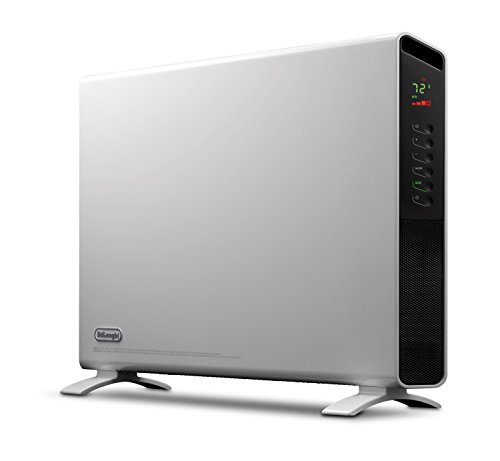
Room Heater - Fast, Efficient heat packs 1500 watts of power best for medium to large rooms. Best space heater for bedroom or any room in your home.
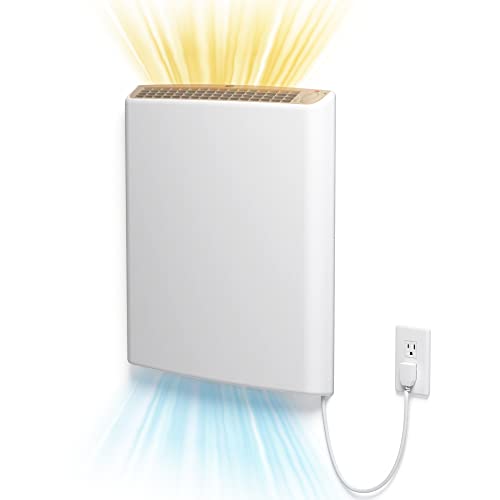
EFFICIENT LOW-WATTAGE WALL HEATER: This wall-mounted heater is designed to provide targeted comfort in specific areas of your home. Its energy-efficient design allows it to supplement or replace your central heating system effectively. With low wattage and a safe design, it helps maintain a comfortable room temperature while minimizing energy consumption.
Environmental Impact of Oil-Filled Heating Systems
Although often overlooked, the environmental impact of oil-filled radiator heaters is significant and merits attention. These heaters produce no direct emissions during operation, which offers substantial environmental advantages. Unlike traditional fuel-burning oil heaters, they do not emit harmful gases such as carbon monoxide, unless a malfunction occurs. Their efficiency is enhanced by nearly complete conversion of electricity into heat, leading to pollution reduction, particularly when paired with renewable energy sources. The longevity of oil-filled radiators, lasting between 10 to 20 years, lessens resource consumption and minimizes waste. Additionally, their sealed oil design eliminates the need for frequent disposal, contributing to reduced environmental hazards. Overall, their efficient design and operational profile support a cleaner indoor environment and lower carbon footprint. Furthermore, some electric heaters, such as the Dreo Quiet Space Heater, are designed to operate silently, making them suitable for use in bedrooms and offices without disruption.
Practical Benefits for Home Use
When considering heating solutions for home use, oil-filled radiator heaters stand out due to their many practical benefits. These heaters effectively retain heat, thanks to the thermal oil inside, which radiates warmth long after being turned off. This feature notably promotes energy conservation, allowing rooms to maintain a comfortable temperature with reduced energy consumption. Modern models include precision digital thermostats that adjust within 0.2 degrees Celsius, ensuring efficient heating without waste. Additionally, their silent operation creates an ideal environment for relaxation and concentration. Low maintenance requirements, coupled with sealed construction, enhance their durability and reduce ongoing costs. Overall, oil-filled radiator heaters provide a reliable, efficient solution for achieving consistent heat comfort in homes. Furthermore, their design often includes energy efficiency features such as smart ECO modes that can help lower utility bills.
Recommended Products
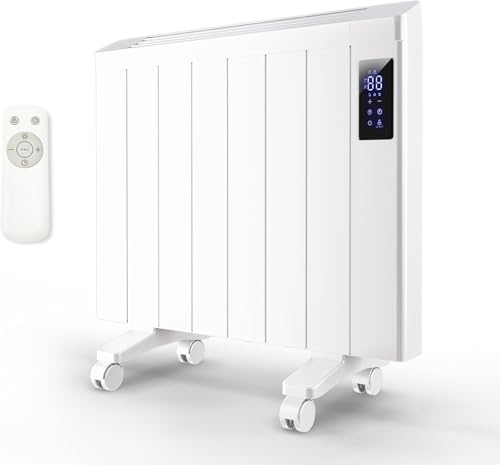
【Energy Efficient Convection Heating】This Fierscial 650W electric panel wall heater uses advanced aluminum convection technology to warm up the air evenly and gently without the need for fans, gas, oil or exposed heating elements, which means it helps maintain a comfortable room temperature&high air quality and oxygen level while save up to 50% or more on heating bill energy costs, and it is also a great option to supplement or replace your central heating system.
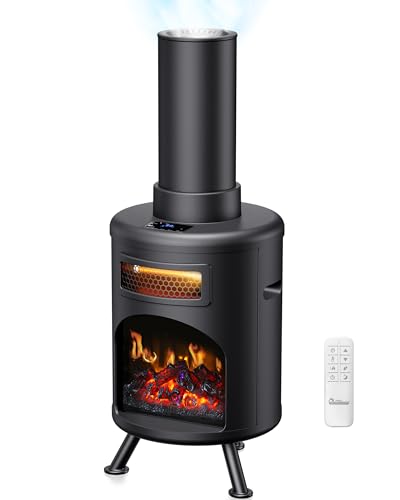
3D REALISTIC FLAMES & WARMTH: Enjoy the cozy ambiance of two adjustable flame brightness levels paired with efficient 1500W infrared heating that warms you directly without drying out the air.

Sengoku HeatMate 110 is designed as a portable, compact, easy-to-carry solution for any of your heating needs, making it ideal for both indoor and outside use
Safety Considerations With Oil-Filled Radiators
Considering the importance of safety in home heating solutions, oil-filled radiator heaters require careful attention to their operational protocols and design features. These units can present fire hazards if improperly maintained. Modern models include safety features like tip-over switches and overheat shutoff mechanisms, effectively reducing these risks. Additionally, burn risks exist due to hot surfaces, although safety covers and automatic temperature controls help mitigate injuries. Mechanical failures may occur if safety fuses are bypassed or not functioning, which can lead to overheating and potential explosions. Emission concerns are minimal, as these heaters do not generate carbon monoxide. Proper placement on stable surfaces, away from flammable materials, enhances operational safety and prevents accidents, ensuring a safer home environment. Regular cleaning and inspections are essential for maintaining safety features and ensuring optimal performance.
Optimizing Usage for Maximum Efficiency
How can the use of oil-filled radiator heaters be optimized for maximum efficiency? Implementing energy-saving habits, such as using programmable thermostats, can noticeably enhance efficiency. By adjusting temperatures based on occupancy, users can reduce energy consumption effectively. Ensuring efficient placement of radiators is crucial; positioning them away from drafts enhances heat distribution, while insulation minimizes heat loss. Selecting an appropriately sized heater tailored to room dimensions prevents energy waste. Additionally, pre-heating rooms just before use, combined with leveraging the heater’s heat retention capabilities, maximizes comfort without excessive usage. Regularly turning off or lowering the thermostat in unoccupied spaces can lead to considerable savings, promoting both efficiency and sustainability in heating practices.
Recommended Products

Lower Surface Temperatures Than Standard Baseboards Makes It Ideal For Homes With Kids And Pets

INSTANT & ENERGY-SAVING HEAT: Powered by 1500W of carbon infrared heat, this heater warms you and surrounding objects in less than 10 seconds. Its targeted heating can save you up to 30-50% on heating costs by allowing you to warm only the spaces you're using.

【Vehicle Fitment】The A/C compressor fits for Honda Civic 2016-2021, for Honda CR-V 2017-2021
Frequently Asked Questions
How Heavy Are Oil-Filled Radiators Compared to Other Electric Heaters?
Oil-filled radiators typically weigh between 13.5 to 20.3 lbs, making them heavier than many electric heaters, which range from 2.75 to 8 lbs. This weight comparison impacts heater portability and stability during use.
Are Oil-Filled Radiators Suitable for Small Spaces?
Are there better options for compact heating in small spaces? Oil-filled radiators excel in space efficiency, providing reliable warmth through radiant heat without noise, making them ideal for cozy environments like bedrooms or small offices.
Can I Use Oil-Filled Radiators With Renewable Energy Sources?
Oil-filled radiators exhibit excellent renewable compatibility, effectively utilizing solar panels for energy savings. Their efficiency in converting electricity into heat maximizes the benefits from renewable sources, optimizing heating while minimizing costs associated with traditional energy supplies.
Do Oil-Filled Radiators Require Maintenance or Oil Replacement?
Oil-filled radiators require minimal maintenance; they do not need oil replacement throughout their lifespan. Essential maintenance tips include routine cleaning and avoiding harsh chemicals, ensuring long oil longevity and peak performance without cumbersome servicing requirements.
How Long Do Oil-Filled Radiators Typically Last?
Oil-filled radiators typically last 16 to 20 years, with lifespan factors such as temperature, usage patterns, and maintenance playing essential roles. User experiences reveal faster wear under frequent use and improper care, impacting longevity considerably.


