As an Amazon Associate, we earn from qualifying purchases. Some links on this site are affiliate links at no extra cost to you. Our recommendations are based on thorough research and editorial judgment.


Cost To Run A 1500 Watt Space Heater: Real Examples

A 1500-watt space heater consumes 1.5 kilowatt-hours (kWh) per hour, resulting in daily costs ranging from approximately $2.08 to $3.60. Usage typically averages 6 to 12 hours daily, leading to monthly expenses between $33 to $62.40 when operated 8 hours per day at $0.17 per kWh. Higher usage or electricity rates can further increase costs. Energy-efficient models and strategic heating practices can yield significant savings, making it essential to understand consumption details for effective management.
Key Takeaways
- Operating a 1500-watt space heater for 8 hours daily averages $2.08 per day, totaling about $62.40 monthly at a $0.17 per kWh rate.
- Costs may vary with usage; continuous operation can lead to monthly bills exceeding $60, depending on the electricity rate.
- Seasonal usage typically increases during colder months, significantly impacting overall energy consumption and heating costs.
- Implementing zone heating practices and sealing leaks can lower heating costs when using space heaters.
- Investing in energy-efficient heater models can yield long-term savings and improve indoor air quality alongside using air purifiers.
Understanding the Energy Consumption of a 1500W Space Heater
You may be interested


Understanding the energy consumption of a 1,500-watt space heater is essential for effective use and cost management. These heaters typically operate at 1,500 watts, translating to 1.5 kilowatt-hours per hour. Actual energy use varies based on heater settings, as lower settings reduce wattage consumption. For instance, daily usage often ranges between 6 to 12 hours, leading to 9 to 18 kWh consumed each day. Ideal energy efficiency can be achieved by utilizing portable models to heat only occupied spaces, minimizing unnecessary power usage during unoccupied hours. Factors such as room size and insulation can greatly impact how long the heater must operate to maintain comfortable temperatures, influencing overall energy consumption and costs. Additionally, localized heating can reduce overall heating costs by up to 50%.
Daily and Monthly Cost Estimates

The daily and monthly costs associated with operating a 1,500-watt space heater can greatly influence household budgets, particularly during colder months. Operating this heater for 8 hours daily generally incurs about $2.08 or approximately $62.40 monthly at average rates of $0.17 per kWh. Cost variations occur in regions with higher electricity rates, where running the heater for the same duration could elevate daily expenses to around $3.60. Usage patterns greatly affect these totals; running the heater for fewer hours can lower costs, while extending use multiplies expenses. As a result, users must consider local electricity rates and their heating habits to accurately estimate costs, especially during the peak heating months from November through February. Additionally, investing in energy-efficient options like heated electric blankets can provide significant warmth while potentially lowering overall heating costs.
Hourly Energy Costs Breakdown

Hourly energy costs for a 1,500-watt space heater can considerably impact monthly electricity bills. Consuming 1.5 kilowatt-hours (kWh) per hour, the average cost ranges from $0.20 to $0.26, depending on local electricity rates. For instance, at $0.17 per kWh, operating the heater costs about $0.26 in one hour. Energy savings can be achieved by modifying usage patterns, such as utilizing a lower heat setting or running the heater only when needed. Additionally, external factors like room insulation and thermostat settings can influence operational efficiency, leading to decreased energy consumption. Understanding these costs helps users make informed decisions about heater usage, potentially reducing overall electricity expenses. Selecting energy-efficient heating solutions can further enhance cost savings on energy bills.
Seasonal Usage Projections

During the heating season, which spans from November 1st to April 15th in many regions, space heater usage sharply increases due to lower outdoor temperatures. This seasonal demand sees residential electricity consumption peak, often reaching as high as 67 billion kWh during winter. Market trends indicate that space heater sales see significant growth during colder months, particularly from November to January. Factors influencing this include increased indoor time and weather variables like temperature drops and wind chill. Sudden cold snaps can lead to spikes in electricity use. Geographically, demand varies, with colder climates experiencing higher usage. Additionally, urbanization and advancements in energy-efficient technologies contribute to evolving seasonal usage patterns and market growth.
Comparing Different Space Heater Wattages

Comparing different wattages of space heaters reveals significant variations in heating capabilities and energy consumption. Small personal or desk heaters typically range from 200 to 500 watts, suitable for individual warmth in very small areas. In contrast, bedroom heaters commonly operate at 750 watts, balancing comfort and energy consumption, while larger units for living rooms can reach up to 1,500 watts. Medium wattage heaters offer adjustable power, ranging from 1,000 to 1,500 watts for effective spot heating. Markedly, a general rule suggests about 10 watts per square foot for ideal warmth. As a result, understanding space heater types and their wattage comparison is essential for selecting the right heater to meet specific room size and heating needs efficiently. Additionally, factors such as customizable height features can enhance overall comfort when using heating solutions in various settings.
Recommended Products

COST-EFFECTIVE HEATING: Cut down on your heating expenses with this efficient and reliable electric portable heater. With its compact design and powerful 1500 Watt performance, it delivers targeted heating specifically for enclosed garages. Not only does it provide effective warmth, but it also helps you save money by efficiently utilizing energy. Enjoy a cozy and cost-effective heating solution for your garage space.

Fast Warm Air Delivery: Powered by 1500W Hyperamics tech, this space heater for indoor use delivers warmth in just 2 seconds and produces 53.9% more heated air than traditional heaters

Classic black portable space heater with adjustable electronic thermostat and easy-to-read LED display (measures 14.5 x 11.4 x 14.7 inches; weighs 14.6 pounds)
The Impact on Utility Bills
The use of a 1500-watt space heater greatly affects utility bills, especially with frequent operation. When utilized for eight hours daily, monthly electric bills can rise by around $62.40 on average. For six hours of daily use, the cost decreases to approximately $44. In colder months, this impact notably intensifies, potentially adding over $175 to seasonal bills. Factors such as heating efficiency, local electricity rates, and usage patterns vary the actual costs, but typical monthly increases range from $35 to $65. A cost comparison shows that at lower rates, the monthly operating cost can drop to about $44 for heavy use. Consequently, consumers must consider these variables when evaluating budget impacts. Additionally, understanding energy consumption can help users make informed choices about their heating options.
Factors Influencing Overall Costs
Often overlooked, several factors greatly influence the overall costs of operating a 1500-watt space heater. Key elements include energy efficiency, which is contingent upon the heater’s wattage and power settings. A 1500W heater consumes approximately 1.5 kWh per hour, aligning costs directly with usage. Room size and insulation quality are essential; poorly insulated areas lose heat quickly, forcing heaters to consume more electricity. Conversely, smaller, well-insulated rooms require less energy to maintain warmth, leading to lower operational costs. Additionally, regional electricity rates fluctuate, impacting monthly expenses considerably. Ultimately, understanding these factors allows for better budgeting and management of heating costs, making informed decisions critical for effective space heating. Heated blankets with timers can also be a more energy-efficient alternative for providing warmth in specific areas.
Recommended Products

Vertical Tilt for Full-Body Warmth: Manually tilt the portable heater from 0°-20°-40°-60°, enjoying warmth from your head to toe. Place it on a table or floor, heating exactly wherever you need it
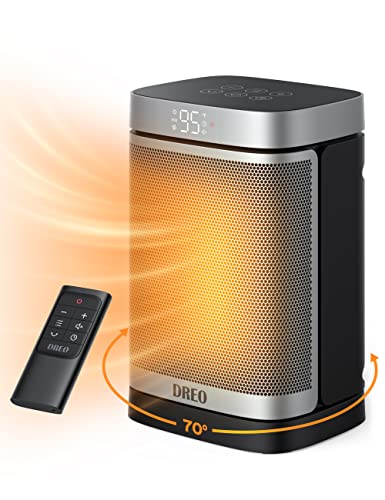
Faster Heat Than Ever: Powered by DREO Hyperamics Technology, Atom One space heater heats up more efficiently with up to 1500W working power, reaching your desired temperature immediately, letting you feel fast, balmy heat straight away. This electric heater is meant to sit by your feet on the floor, near your hands on a desk, or carry around indoors. Add our heaters for indoors use to your cart & experience our amazing heater and customer service

ETL-Certified Safety: Made of V0 flame-retardant materials with multiple safety features including built-in smart tip-over protection, overheat protection, 12-hour timer, 24-hour automatic power off without interaction, V0 flame retardant 2-prong plug, and sturdy 6ft long flat power cord. Safe and worry-free all-day use. Safety Reminder: Please do not use with an extension cord. Only plug directly into the wall outlet.
Strategies for Reducing Heating Costs
Reducing heating costs is a strategic approach that can greatly impact overall energy expenses. One effective strategy involves zone heating, where central heat is lowered to 50°F–60°F, focusing warmth only in occupied spaces. This method enhances insulation effectiveness, particularly when doors to unused rooms are closed. Energy saving techniques, such as using portable space heaters, require careful heater selection; ideally, a heater should offer approximately 10 watts per square foot of room space. Sealing leaks around windows or doors and applying thermal curtains can further minimize heat loss. Behavioral changes, like turning off heaters when unoccupied and layering clothing for warmth, also contribute to lowering energy costs effectively. Monitoring electricity usage will help identify patterns and areas for further savings. Additionally, selecting a heater with energy optimization features can maximize efficiency and reduce overall consumption.
Energy-Efficient Space Heater Options
A variety of energy-efficient space heater options are available, each designed to cater to specific heating needs while minimizing energy consumption. PTC ceramic heaters heat quickly and regulate temperature for efficiency, while infrared heaters directly warm objects, perfect for localized use. Oil-filled radiators retain heat longer, offering steady warmth with reduced electricity usage. Fan heaters can quickly distribute warmth but may consume excess energy without thermostatic control. Additionally, sealed combustion heaters provide enhanced safety by preventing combustion gases from entering living spaces. These options bring considerable environmental benefits by lowering energy use. Proper heater installation, tailored to room size and specifics, guarantees peak performance, maximizing energy efficiency and reducing operational costs. Furthermore, many models come with energy efficiency ratings that help consumers select the most cost-effective options.
Real User Scenarios and Experience
In examining real user scenarios, the impact of operating a 1500-watt space heater becomes clearer. Many users report typical costs ranging from $33 to $44 monthly when utilizing heaters for 8 hours daily. This air of regularity shifts dramatically for those who operate the heater continuously, with bills climbing over $60. Cost comparisons indicate that reducing wattage or using heaters intermittently effectively curbs expenses. For instance, running a heater at lower settings achieves approximately $1.20 per hour, a significant savings. Variations also arise from user experiences dependent on electricity tariffs, where costs can escalate due to usage frequency. Ultimately, these factors collectively emphasize the importance of strategic heater use for cost management. Additionally, users can enhance their overall comfort by incorporating portable air purifiers alongside their heaters to improve indoor air quality.
Final Thoughts on Space Heater Costs
Cost management for space heaters often requires careful consideration of various factors influencing overall expenses. Operating a typical 1,500-watt space heater incurs hourly costs of approximately $0.20 to $0.26, leading to monthly expenses ranging from $33.60 to $51.65, depending on usage and regional electricity rates. The portability of these heaters allows users to target specific areas, enhancing heating efficiency. However, users should also consider noise levels, as some models may disrupt the tranquil environment during operation. For those seeking economical solutions, using space heaters judiciously and investing in energy-efficient models can yield long-term savings. Overall, understanding these variables facilitates informed choices regarding the effective use of space heaters without excessive costs.
Frequently Asked Questions
Can a Space Heater Be Left on Overnight Safely?
Leaving a space heater on overnight is like walking a tightrope—risky without careful attention. Following safety precautions and managing heating duration can minimize dangers, yet turning it off before sleep is the safest choice.
How Do I Maximize Efficiency While Using a Space Heater?
To maximize efficiency while using a space heater, one should enhance heat distribution, utilize energy-saving features like timers, and maintain consistent temperatures, ensuring reduced energy waste while effectively warming the desired space. Regular maintenance is essential.
Are There Government Rebates for Energy-Efficient Space Heaters?
In a world where energy efficiency reigns supreme, government rebates for extravagant heater types, including space heaters, remain elusive. Alas, tax breaks dance only around heat pumps and biomass stoves, leaving space heaters out in the cold.
What Is the Lifespan of a Typical 1500W Space Heater?
The average lifespan of a typical 1500W space heater is about 8 years. Proper heater maintenance, including regular cleaning and avoiding excessive on/off cycling, can greatly extend its durability and overall longevity.
Can Using a Space Heater Damage My Home’s Wiring?
Using a space heater can indeed damage a home’s wiring if not compatible. Safety tips emphasize checking circuit capacity and avoiding overloaded outlets, as improper use may lead to serious electrical hazards lurking in uninspected environments.