As an Amazon Associate, we earn from qualifying purchases. Some links on this site are affiliate links at no extra cost to you. Our recommendations are based on thorough research and editorial judgment.

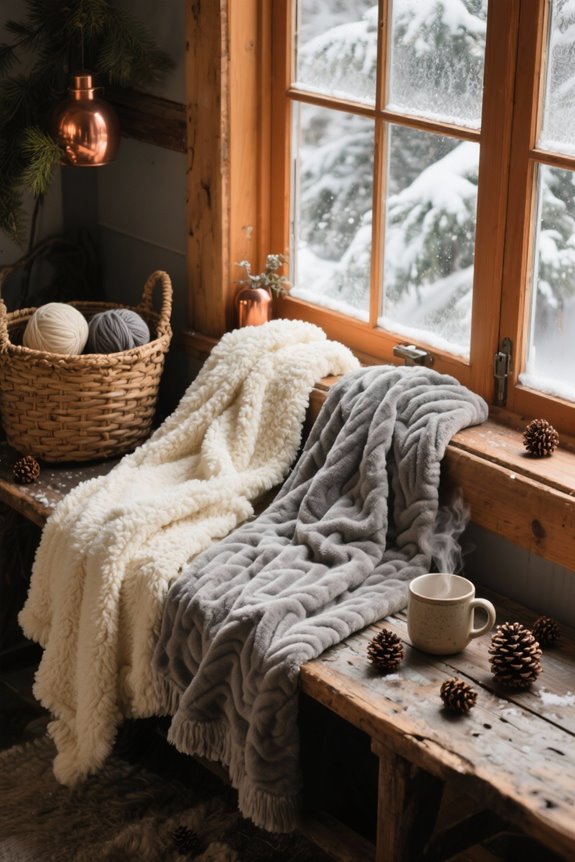
Sherpa Vs Fleece Electric Throws: Which Is Better

Sherpa and fleece electric throws differ in materials and performance. Sherpa, made from 180–200 gsm polyester, offers superior insulation, retaining body heat effectively, especially in damp conditions. Fleece, typically around 220 gsm, is lighter and more breathable but may lead to overheating. Sherpa’s plush texture creates a cozy feeling, whereas fleece has a smooth surface. Maintenance varies, with Sherpa requiring gentler washing. Understanding these differences helps determine which throw suits individual needs better, paving the way for informed decisions.
Key Takeaways
- Sherpa electric throws provide superior insulation and warmth retention, making them better suited for cold weather than fleece counterparts.
- Fleece electric throws are lighter and more breathable, suitable for users who prefer a cooler option for layering.
- Sherpa’s plush texture offers a cozy feel, while fleece delivers a smooth surface for a different tactile experience.
- Maintenance of Sherpa requires gentler care compared to fleece, which is more durable and withstands regular machine washing.
- Price-wise, Sherpa throws are generally more expensive, reflecting their luxurious design and insulating properties compared to budget-friendly fleece options.
Understanding Material Composition
You may be interested



Understanding material composition is essential when comparing Sherpa and fleece electric throws. Sherpa, primarily made from polyester, features a plush texture that imitates sheep’s wool, with layers commonly weighing 180–200 grams per square meter (gsm). This thickness contributes significant thermal efficiency, as it traps heat effectively. Conversely, fleece is also crafted from 100% polyester but is less dense, providing a smooth surface that is lightweight yet less plush. Its insulation relies on trapping air within the fibers, which enhances warmth, although not to the same degree as Sherpa. Both materials offer durability, being resistant to shrinkage and pilling, yet Sherpa’s construction generally suggests superior insulating properties, making it a notable choice for comfort. Additionally, Sherpa typically has a higher GSM rating than fleece, resulting in better heat retention and overall warmth.
Warmth and Insulation: A Comparative Analysis
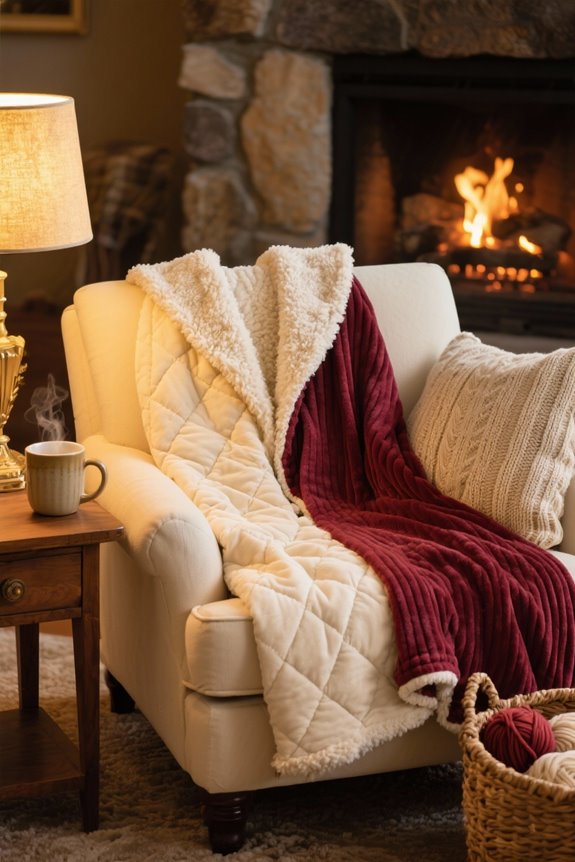
The warmth and insulation properties of Sherpa and fleece electric throws reveal significant differences that may influence user choice. Sherpa electric throws, made from synthetic polyester, excel in heat retention due to their thick pile and plush construction. This design enhances insulation effectiveness, allowing Sherpa throws to retain body heat more efficiently than fleece counterparts. While both types can be layered for additional warmth, Sherpa’s density offers superior layering capability. Additionally, Sherpa’s quicker drying time enhances moisture management, a crucial feature during colder months. Even with regulated heat distribution through insulated wires, the overall thermal retention of Sherpa outperforms fleece, making it an ideal option for those seeking both warmth and insulation for extended use. Furthermore, heated fleece blankets typically consume approximately 100 to 200 watts, providing an efficient alternative for maintaining warmth in cold environments.
Comfort and Feel: Which Is More Cozy?

When comparing the comfort and feel of Sherpa and fleece electric throws, several key factors emerge that affect the user experience. Sherpa features a plush, fluffy texture akin to wool, delivering cozy sensations with its denser, thicker pile that provides a cushioned, enveloping feel. Conversely, fleece offers a smoother surface with a slight nap, resulting in gentle tactile experiences. Sherpa’s bulkiness and warmth retention make it ideal for cold conditions, while fleece’s lightweight quality allows for better breathability and moisture management. Fleece electric throws facilitate comfort without excessive warmth, making them suitable for varied temperatures. Additionally, many fleece options come with multiple heating levels, enhancing their versatility for different climates. Ultimately, the choice between Sherpa and fleece depends on personal preferences for weight, warmth, and overall tactile satisfaction in creating a cozy atmosphere.
Maintenance and Durability of Electric Throws
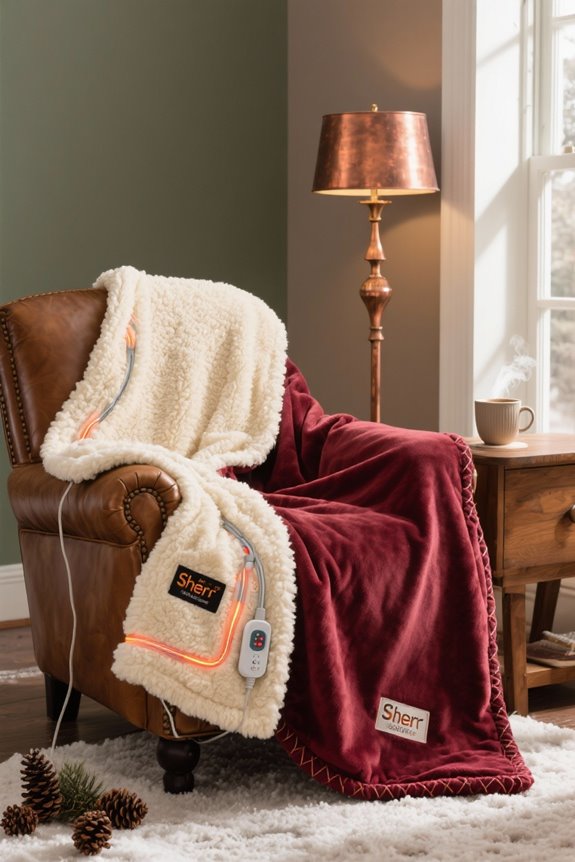
Maintaining the integrity and functionality of electric throws, whether Sherpa or fleece, requires careful attention to their specific care guidelines. Sherpa throws demand gentle washing; using a mild detergent on a gentle cycle or hand washing is advised to preserve their plush texture. In contrast, fleece throws usually withstand machine washing better, tolerating gentle cycles without significant wear. Detaching electric components prior to washing is essential for both types to prevent damage. To enhance durability, air drying is suggested, as high heat can weaken materials. Regular inspections of wiring and plugs are necessary for safety. Overall, maintenance tips may differ, with fleece typically offering superior longevity during regular use compared to Sherpa due to differences in fabric comparisons. Additionally, the safety features of electric throws should always be checked to ensure optimal performance and prevent hazards.
Safety Features: Ensuring Peace of Mind
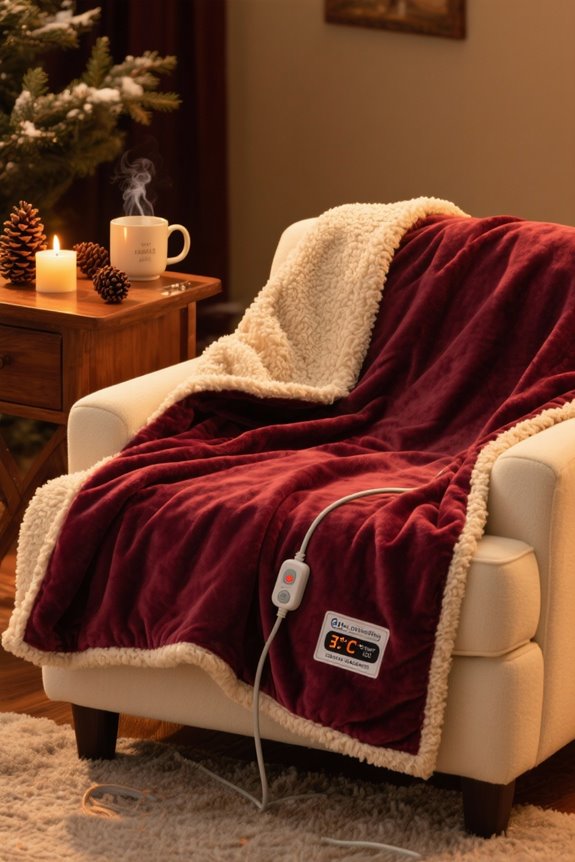
Ensuring safety features in electric throws is essential for providing users with peace of mind during use. Electric throws should possess safety certifications, such as UL standards, which guarantee compliance with rigorous safety protocols. Modern models often include features for overheating prevention, such as auto-shutoff mechanisms that engage after a predetermined time. Additionally, these throws should be inspected regularly for faulty wires or wear, which can heighten fire risk. For maximum safety, users are advised to avoid using electric throws with wet materials or near water sources. Adhering to manufacturer guidelines and ensuring proper maintenance further enhances safety, positioning electric throws as both comfortable and secure options for warmth and coziness.
Cost and Availability of Sherpa Vs Fleece
The cost and availability of Sherpa and fleece electric throws reveal important considerations for potential buyers. Sherpa pricing typically ranges from $40 to $70, depending on features, with advanced models potentially exceeding $60. In contrast, fleece electric throws can start as low as $12 for smaller USB options, while larger variants generally cost between $40 and $60. Discounts can frequently lower prices for both types, particularly during seasonal sales. Availability is widespread; Sherpa throws are more often found online, while fleece options are easier to locate in physical stores due to their popularity. Both materials see increased promotional activity in fall and winter, enhancing their market presence and accessibility for shoppers. Additionally, safety features are essential to consider when choosing a heated throw, as many models include built-in overheating protection for added peace of mind.
Weight Differences Between Sherpa and Fleece
Weight differences between Sherpa and fleece electric throws present crucial factors for consumers evaluating their options. A weight comparison reveals that Sherpa electric throws generally weigh around 3.5 pounds, with variations influenced by fabric blends, typically falling within the 3-4 pound range. In contrast, fleece electric throws weigh less, often ranging from 2.4 to 3.8 pounds, highlighting their lightweight nature. The denser construction of Sherpa fabrics contributes to a bulkier feel, affecting user experiences by offering a cozy, weighted sensation that some find comforting. Conversely, fleece’s thinner pile enhances portability and ease of movement. This weight variance also impacts storage, with fleece throws being more compact, while Sherpa throws occupy more space. Additionally, machine-washability is an important feature to consider when choosing between these materials for long-term maintenance.
Layering Options: Fleece Vs Sherpa
Layering options between fleece and Sherpa electric throws offer distinct benefits that cater to diverse comfort preferences. Sherpa’s dual-layer design allows for versatile temperature regulation; users can choose between the fluffy side for warmth or the smooth side for breathability. This adaptability enhances layering techniques, especially when paired with lighter bedding. Conversely, fleece blankets provide a uniform texture but lack the same degree of versatility. Fleece retains warmth effectively, making it suitable for mid-to-cold climates, but may lead to overheating when layered heavily. In contrast, layering a Sherpa throw under a comforter can optimize insulation without compromising airflow. Therefore, Sherpa provides a more balanced approach to comfort across varying temperatures compared to fleece. Additionally, many Sherpa throws feature multiple heat settings, allowing users to customize warmth according to personal preferences.
Style and Aesthetics: Which Material Wins?
How do Sherpa and fleece electric throws compare regarding style and aesthetics? Sherpa blankets present a distinctive blend of textile aesthetics, featuring a luxurious dual-sided design that enhances visual depth. Their plush, faux sheepskin look mimics wool while offering vibrant color options and intricate patterns, aligning with various design trends. Conversely, fleece blankets provide a smoother texture, appealing to those who prefer a sleek appearance. While both options come in diverse colors, Sherpa’s unique texture and reversible design add a decorative touch that complements modern and traditional interiors alike. For consumers prioritizing style, Sherpa’s versatility and warmth convey elegance, making it a favorable choice in aesthetic appeal over fleece alternatives. Additionally, the soft materials found in heated blankets contribute to an overall cozy experience. Each material serves different aesthetic preferences and home decor needs.
Performance in Cold Weather
When evaluating performance in cold weather, both Sherpa and fleece electric throws display distinct advantages. Fleece blankets excel in thermal conductivity by trapping air within their fibers, delivering consistent warmth. In controlled tests, certain fleece hybrids lost only 5.8°F, showcasing their insulation efficiency. Conversely, Sherpa blankets, made from dense, plush fibers, provide superior heat retention and an enveloping warmth. For extreme cold, Sherpa’s thickness offers a crucial edge. Additionally, while fleece may dry quickly, it loses insulation when damp; Sherpa retains more warmth under similar conditions. Both materials outperform basic polyester, but moisture resistance is essential, particularly in humid environments. The advanced electric models guarantee even heat distribution, mitigating cold spots in both types, enhancing overall cold-weather performance. Furthermore, the safety features of modern heated blankets ensure that users can enjoy both warmth and peace of mind during use.
Personal Preference: Choosing Your Ideal Surface Feel
Selecting an electric throw comes down to personal preference regarding surface feel, with distinct choices between Sherpa and fleece materials. Sherpa features a thick, plush texture, resembling sheep’s wool, which offers a fluffy surface. Its higher weight of 260gsm contributes to a substantial feel, ideal for users seeking cozy comfort. In contrast, fleece provides a smooth, velvety finish, typically at 220gsm, resulting in a lighter and less bulky option. This softness promotes easy movement and less fabric resistance during use. Each material maintains its softness through multiple washes, although Sherpa may require gentler washing cycles. For flexibility, reversible throws combine both materials, allowing users to select their preferred surface feel based on context and comfort needs. Additionally, the material quality of each throw can significantly enhance the overall warmth and comfort experience.
The Role of Heated Elements in Both Materials
Electric throws, whether made from Sherpa or fleece, incorporate heated elements that play a critical role in user comfort and warmth. Sherpa’s thicker fabric necessitates specialized electric resistance design for effective heat distribution, featuring insulation layers that prevent direct skin contact. Consequently, Sherpa throws often take longer to heat up, yet they excel in thermal efficiency and heat retention, maintaining warmth post-use. In contrast, fleece’s thinner fabric allows for rapid heat transfer, with heating technology embedded closer to the surface. This results in quicker warming, although fleece may lose heat faster, requiring higher settings to sustain comfort. Both materials adhere to safety standards, utilizing automatic shutoff functions and temperature regulation for consistent user experience and protection against overheating risks.
Care Instructions for Longevity
Maintaining the longevity of Sherpa and fleece electric throws involves careful adherence to specific care instructions. For proper washing, cold water is essential, ideally on a gentle cycle to prevent fabric stress. Always follow manufacturer recommendations, particularly regarding electric models. For stain removal, use mild liquid detergents without dyes or harsh chemicals, and spot treat with gentle methods. During drying, air drying is preferred to preserve fabric quality, while low heat may be acceptable for dryer use. It is vital to avoid overloading machines, as this can lead to pilling. Regularly brushing the Sherpa side restores fluffiness and prevents matting, contributing to effective fabric preservation and overall durability of these cozy items.
Environmental Considerations
Environmental considerations play an essential role in the discussion of Sherpa and fleece electric throws. Both materials are made from synthetic fibers, primarily polyester, which is derived from petroleum. This production process considerably increases carbon footprints due to fossil fuel consumption. Moreover, the manufacturing of these throws, involving embedded electrical components, compounds energy use. On a production scale, the lifecycle greenhouse gas emissions of electric throws surpass those of non-electric variants. Neither Sherpa nor fleece is biodegradable, presenting long-term sustainability impacts, as they contribute to landfill waste. Additionally, the potential for microplastic pollution from washing both fabrics raises concern. Energy-efficient models may help reduce consumption during use, but overall, the environmental footprint remains considerable for both materials.
Popular Brands Offering Sherpa and Fleece Electric Throws
The market for Sherpa and fleece electric throws features several popular brands that cater to varying consumer preferences and needs. Bedore offers Sherpa options with 220 GSM flannel tops and 200 GSM Sherpa, ensuring durability and softness. Beautyrest emphasizes luxurious, faux-fur Sherpa throws with safety certifications. Sunbeam includes models with multiple heat settings, enhancing user comfort. On the fleece side, Sunbeam’s Royal Ultra Fleece blanket caters to those seeking king-sized warmth, while Bedsure’s budget-friendly options are machine washable and versatile. Pure Enrichment utilizes advanced heating technology for efficient warmth distribution. Brand comparisons reveal that each brand incorporates unique features, driving a thorough feature analysis for consumers, ensuring informed decisions in their electric throw purchases.
Frequently Asked Questions
Can Sherpa Electric Throws Be Used Outdoors?
While some may seek sherpa warmth for outdoor comfort, using sherpa electric throws outdoors is generally discouraged. Their design and safety features are primarily intended for indoor use, posing risks when exposed to the elements.
Are There Color Choices Available for Both Materials?
Both Sherpa and fleece electric throws offer diverse color choices catering to various color preferences. Sherpa features richer design options, including patterns, while fleece focuses more on solid colors, providing a balance between styles and aesthetics.
How Do the Two Materials Compare in Allergens?
Sherpa blankets may harbor allergens more due to their dense texture, potentially affecting allergen sensitivity. In contrast, fleece remains hypoallergenic and less likely to trap allergens, making it a better choice for sensitive individuals.
Do Either Materials Have a Scent When Heated?
Both Sherpa and fleece materials experience mild scent emissions upon heating due to manufacturing residues. This scent comparison reveals similar heating effects, fading over time with use and proper cleaning, ensuring user comfort during operation.
Can I Combine Sherpa and Fleece for Maximum Comfort?
Combining sherpa and fleece for maximum comfort through layering enhances tactile experience and thermal regulation. This approach supports electric throw durability, ensuring long-lasting softness while optimizing warmth and breathability for diverse user preferences in cozy settings.


