As an Amazon Associate, we earn from qualifying purchases. Some links on this site are affiliate links at no extra cost to you. Our recommendations are based on thorough research and editorial judgment.


Space Heater Power Use: How Many Watts Per Hour

Space heaters typically consume between 200 and 1,800 watts per hour, with most standard units operating at approximately 1,500 watts. This equates to about 1.5 kilowatt-hours (kWh) of electricity each hour, leading to an operating cost around $0.25. Smaller models, like those at 500 watts, use roughly 4 kWh daily, while larger units can draw considerably more. Understanding these measurements aids in making informed energy choices, and further details on efficient usage can enhance heating effectiveness.
Key Takeaways
- Space heaters typically have wattages ranging from 200 to 1800 watts, with most functioning around 1500 watts.
- A 1,500-watt space heater consumes about 1.5 kilowatt-hours (kWh) each hour when in operation.
- A 1,000-watt heater uses approximately 1 kWh per hour, while smaller 500-watt units consume around 0.5 kWh per hour.
- Daily consumption for a 1,500-watt heater running 8 hours is about 12 kWh, translating to potential costs of $3.00 daily.
- Proper usage and energy-efficient models can significantly influence power consumption and heating costs, enhancing effectiveness.
Understanding Space Heater Wattage
You may be interested



Wattage plays an essential role in understanding the power use of space heaters. Different space heater types exhibit a wide range of wattages, typically from 200 to 1800 watts. Small portable units generally operate at 200–500 watts, making them suitable for small rooms or targeted heating. Mid-range models usually draw between 750 and 1500 watts, ideal for medium-sized spaces. Most standard heaters function at about 1500 watts, which is commonly used as a benchmark. While no strict federal regulations enforce exact wattage limits, many models adhere to a 1500-watt standard that aligns with safety certifications like UL. Ensuring compliance with these safety standards is critical to minimize risks such as overheating, making certification labels essential during consumer purchasing. Additionally, the energy consumption of a 1500-watt heater can significantly impact monthly electricity bills, especially with frequent use.
Typical Power Consumption of Space Heaters

When selecting a space heater, one key consideration is its power consumption, which varies greatly based on wattage and usage. Typical residential space heaters operate between 750 and 1,500 watts. Most units utilize a maximum power rating of 1,500 watts, consuming approximately 1.5 kilowatt-hours (kWh) per hour when set to high. In contrast, lower settings consume around 750 watts, providing an energy-efficient option. Additionally, larger commercial models may reach up to 3,000 watts, although these are less common for home use. Different space heater types, such as ceramic or oil-filled models, demonstrate varying energy consumption patterns. Proper understanding of power ratings allows consumers to make informed decisions regarding efficiency and overall energy costs. It’s also important to consider energy efficiency features like smart ECO modes found in modern space heaters to help reduce utility bills.
Recommended Products

4 quartz infrared heating elements

4 quartz infrared heating elements

1500W: 208V and 240V models are available
Hourly Electricity Consumption Explained

Understanding the hourly electricity consumption of space heaters is essential for managing energy costs and efficiency. Most space heaters operate within a standard wattage range of 750 to 1,500 watts. A typical 1,500-watt model consumes 1.5 kilowatt-hours (kWh) each hour, translating to an approximate cost of $0.25, depending on local electricity rates. Factors such as efficiency variations, usage patterns, and energy-saving features can greatly impact both consumption and cost efficiency. For instance, using timers and energy-saving modes can enhance energy savings. Furthermore, with higher demand during colder months, these heaters often contribute to elevated energy bills. By understanding these dynamics, users can make informed decisions about usage to optimize both performance and expense. Additionally, selecting models with energy-efficient designs can help reduce overall electricity costs significantly.
Recommended Products

[6000W 120/240V Solar Generator] OSCAL solar powered generator has a capacity of 3600Wh and provides 4*AC output, 6000W(Surge 9000W), Suports DC/AC Bi-Directional Inverter 120V/240V Dual Voltage Output,ensuring that any appliance can find its match with this device. In the case of an unplanned outage, all the charging outlet demands of the family will be satisfied with its 14 outlet sources. Whether camping, working outdoors, or facing an emergency, this solar generator can provide stable power.

DESIGNED WITH DEEP EMBER BED: Modern 50 inch electric fireplace featuring a 3x deeper ember bed than most electric fireplaces for enhanced realism.

DESIGNED FOR IN-WALL INSTALLATION: This electric fireplace is specially created for recessed mounting in walls. Its minimal black frame gives a room a sleek, modern look. This versatile fireplace also adds a cozy touch to a living room, bedroom, or office. The 84-inch fireplace comes with easy-to-follow instructions to help homeowners install the unit on their own.
Daily Energy Use of Space Heaters

Daily energy use of space heaters varies noticeably depending on their wattage and hours of operation. For instance, a 1,500-watt space heater running for 8 hours consumes approximately 12 kWh of energy, translating to 360 kWh monthly. Conversely, lower wattage heaters, like a 1,000-watt unit, use about 8 kWh daily. Factors such as space heater insulation and heater placement notably impact efficiency. Proper insulation can minimize heat loss, while strategic placement enhances heating effectiveness. Smaller models, rated at around 500 watts, utilize roughly 4 kWh daily. Ultimately, the combination of wattage, hours of operation, and environmental factors plays a pivotal role in determining daily energy consumption of space heaters. Additionally, using essential oils like peppermint oil can create a calming atmosphere while maximizing relaxation during heating periods.
Weekly Power Consumption and Costs

The weekly power consumption of space heaters directly relates to their wattage and operational hours, continuing the discussion on energy use from daily patterns. For instance, a 1,500-watt heater running for 8 hours daily consumes approximately 84 kWh per week, while a 1,000-watt unit would use about 56 kWh in the same scenario. Consequently, the heater wattage impacts overall costs, with estimated weekly expenses reaching $14.70 and $9.80 respectively, based on average U.S. electricity rates. Using energy-efficient models can enhance weekly kWh savings considerably; a 400-watt heater used similarly consumes just 22.4 kWh per week. Understanding these dynamics guarantees cost-effective energy use in residential heating, promoting informed decision-making. Additionally, models like the Dreo Portable Electric Space Heater offer advanced PTC technology for rapid warmth, which can contribute to energy savings.
Monthly and Annual Energy Use Estimates
As space heaters play an essential role in residential heating during colder months, estimating their monthly and annual energy use becomes vital for effective budgeting and energy management. Generally, a typical space heater consumes between 750 and 1500 watts, with many operating at 1500 watts. Running a 1500-watt heater for 8 hours daily can lead to a monthly cost of approximately $33.60 to $102.60, influenced by local electricity rates. Calculating total energy use involves the formula: wattage multiplied by hours used per month, yielding kilowatt-hours consumed. Over a typical 5-month heating season, annual costs can range from $157.05 to $314.10, making monthly budgeting important for homeowners to guarantee energy comparisons and effective usage strategies. Additionally, understanding energy efficiency ratings can help consumers select heaters that provide optimal performance while minimizing costs.
Comparing Costs With Other Appliances
When comparing the costs of space heaters to other household appliances, it becomes clear that space heaters generally offer a more manageable energy expenditure. For instance, a 1,500-watt space heater costs approximately $46 to $55 per month when used three hours daily. In contrast, a central air conditioner may run up to $73 monthly even with shorter usage. Other electric appliances, such as tankless water heaters, can peak at 2,500 watts and have higher daily usage. Additionally, electric clothes dryers and fans often consume similar or higher wattage. Therefore, while considering space heater alternatives and comparing appliance efficiencies, space heaters often represent a more cost-effective choice for intermittent heating needs, particularly during lower-demand periods. Many models, like the Dreo Portable Electric Space Heater, utilize advanced heating systems for optimal efficiency.
Recommended Products
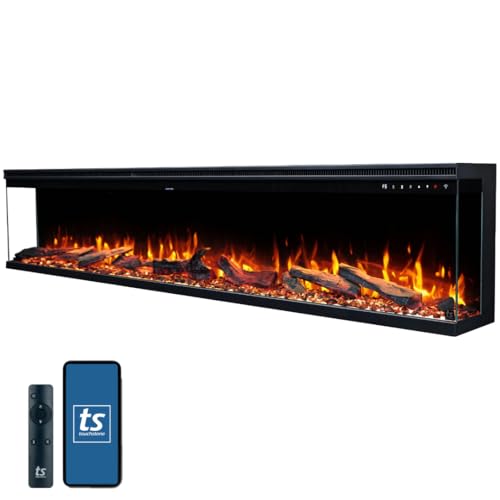
OPERATION: Easily control the flame color, brightness, speed, and heat using the touchscreen, included remote, or smartphone app for seamless operation.

Smart App & 251 RGB Color Control: Control your ambiance from anywhere using the Smart Life app, remote, or panel. Mix 3 base colors into 251 unique RGB flame effects, with independent adjustment for flames, ember bed, and downlighting

App-Controlled 3-Sided Fireplace Insert: Command your ambiance from anywhere using the Smart Life app. This 100-inch recessed fireplace features three-sided viewing glass and generates 251 customizable RGB flame colors through advanced LED technology
Energy Efficiency Tips for Space Heaters
Effective energy use is key for maximizing the benefits of space heaters, particularly during colder months. Utilizing timers benefits users by automatically shutting off the heater when unoccupied, noticeably reducing electricity costs. Programmable settings and thermostatically controlled heaters optimize usage, preventing overheating and excess energy consumption. For effective warmth, calculate room dimensions, adhering to the guideline of approximately 10 watts per square foot to avoid oversizing. Implement insulation strategies, such as sealing windows and doors with weather stripping or curtains, to enhance heat retention. Keeping doors closed minimizes energy loss, complementing the heater’s efficiency. By selecting properly sized, energy-efficient models, alongside appropriate placement, users can improve comfort while minimizing overall power consumption noticeably. Additionally, safety features like automatic shut-off can provide peace of mind when using space heaters.
Recommended Products

Cooper&Hunter 36,000 BTU Dual Zone with two 18,000 BTU Ceiling Cassette Ductless Mini Split AC/Heating System with Wall Thermostat, and 25ft Installation Kit.
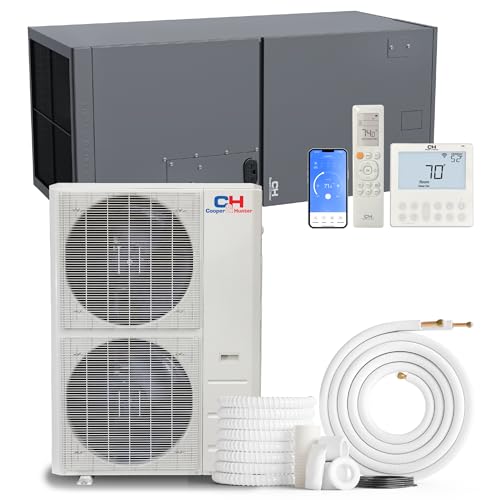
Cooper & Hunter 60,000 BTU (5 Ton), 230V, 16 SEER2, Single Zone Outdoor Condenser with one Multi-Position Air handler Indoor Unit. Smart Kit included to control the system from your smartphone, or you can use the 12V wired wall thermostat.

Simple 110V/115V Plug-And-Play Setup: No electrician required, simply plug into a standard outlet and enjoy. Perfect for patios, backyards, and small outdoor spaces.
Proper Usage of Space Heaters in Your Home
Proper usage of space heaters greatly enhances their effectiveness and safety in residential settings. Correct heater placement on a hard, level, nonflammable surface is essential, guaranteeing a minimum of 3 feet away from flammable materials. Residents should enforce safety guidelines by establishing a kid- and pet-free zone around the heater, supervising children and pets during operation. Regular cord inspection helps to detect frayed cords, preventing electrical hazards. Utilizing units with thermostat control promotes energy efficiency. Acknowledging ventilation needs is critical for combustion heaters, while addressing environmental concerns through the use of certified, eco-friendly appliances is recommended. Finally, always turn off space heaters when not in use to mitigate the risk of accidents and guarantee a safer home environment. Additionally, models with overheat protection can further enhance safety during operation.
Recommended Products

Detachable Skirt for Flexible Installation – Seamlessly adapt to your bathroom layout with a removable skirt, offering freestanding elegance or space-saving alcove integration for this premium whirlpool tub
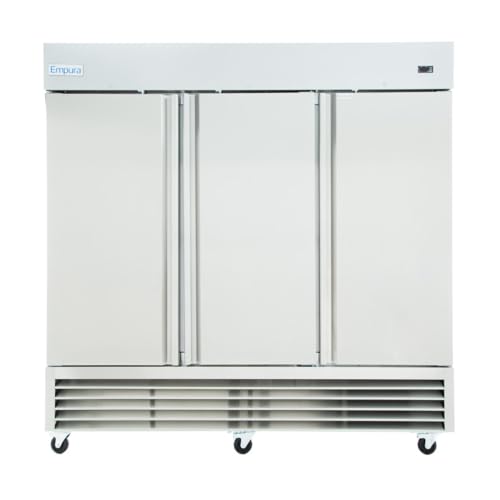
DURABLE SOLID DOOR CONSTRUCTION: Featuring three solid doors, this freezer ensures durability and effective temperature retention. The solid doors, constructed from 202 stainless steel, provide superior protection for stored items and contribute to the unit's ability to maintain optimal internal temperatures while withstanding heavy use.

Elevated Hot Tub Experience: Enjoy a soothing hot tub experience with 13 powerful jets designed to provide ultimate relaxation, making it perfect for unwinding after a long day
Frequently Asked Questions
How Do I Calculate the Cost of Running My Space Heater?
To calculate the cost of running a space heater, one must consider power consumption in kilowatts, daily usage hours, and electricity rates, multiplying these to determine daily, monthly, and annual costs accurately.
Can I Use a Space Heater While Sleeping Safely?
Using a space heater while sleeping can ironically compromise safety for comfort. While it may provide warmth, ignoring safety features poses fire risks. Prioritizing space heater safety guarantees a peaceful night without unexpected surprises.
What Size Room Is Suitable for a 1,500-Watt Heater?
A 1,500-watt heater is suitable for rooms with dimensions up to 150 square feet. Proper heater placement, ensuring clearance from combustibles, enhances efficiency and safety for ideal warmth in these spaces.
How Long Can I Run a Space Heater Continuously?
Like a candle flickering in the dark, heater usage should be managed wisely. Continuous running time for space heaters is typically advised against; consistently monitoring avoids safety hazards and encourages efficient heating without unnecessary risks.
Are Space Heaters Energy-Efficient for Long-Term Use?
Space heaters can be energy-efficient for long-term use, especially with energy-saving tips. Different heater types, like oil-filled or convection heaters, enhance efficiency, helping users reduce their overall heating costs when used strategically.


