As an Amazon Associate, we earn from qualifying purchases. Some links on this site are affiliate links at no extra cost to you. Our recommendations are based on thorough research and editorial judgment.


What Is An Electric Throw: Key Differences From Blankets

An electric throw is a compact, portable heated blanket designed for individual use, typically measuring 50×60 inches. Unlike standard electric blankets, which cover bed sizes like twin or queen, electric throws target specific body areas and offer adjustable heating levels for personalized comfort. They include safety features such as auto shut-off and multiple heat settings. These throws are ideal for various indoor activities, making them versatile heating solutions. Explore further to discover more about their benefits and maintenance.
Key Takeaways
- Electric throws are smaller, typically 50×60 inches, designed for individual use, while blankets cover standard mattress sizes like twin and king.
- Designed for portability, electric throws are ideal for casual activities like reading or watching TV, unlike blankets meant for sustained bed warmth.
- Electric throws offer adjustable heating settings and safety features like auto shut-off, ensuring safe, personalized warmth for singular users.
- Energy efficiency is higher with electric throws, resulting in lower costs compared to space heaters during colder months.
- Maintenance for electric throws includes careful cleaning and inspection to ensure longevity and safety, differing from standard blankets that may not have electrical components.
Definition and Purpose of Electric Throws
You may be interested


Electric throws, which are compact and portable electric blankets, serve as convenient warming solutions primarily meant for individual use. Typically measuring around 50×60 inches, they provide targeted warmth to specific body areas, such as the lap or shoulders, while seated comfortably. These throws contain integrated electrical heating wires, ensuring consistent heat distribution across the fabric. Designed for flexibility, they adapt easily to various indoor environments beyond just bedrooms. Ideal for activities like reading or watching television, they fulfill immediate heating needs without the energy demand of a full-sized blanket. With adjustable heating levels and simpler controls, electric throws cater to individual preferences, making them versatile tools for localized warmth during colder periods. Many models also include safety features such as auto shut-off mechanisms to enhance user confidence and prevent overheating.
Size and Design Differences

Size and design differences between electric throws and electric blankets play a crucial role in their intended use and user experience. Electric throws typically measure around 50 x 60 inches, offering partial coverage suitable for use while seated, like on a couch or chair. In contrast, electric blankets come in various standard mattress sizes, such as twin (62″x84″), full (72″x84″), queen (84″x90″), and king, allowing coverage of entire beds. Electric throws feature lightweight materials, prioritizing portability and ease of storage. Conversely, electric blankets are designed with thicker materials for enhanced warmth and often incorporate straps or fasteners. These design variations reflect distinct functional purposes, making throws ideal for casual use and blankets tailored for stationary bedding. Additionally, electric throws often include multiple heat settings, allowing users to customize their warmth for added comfort.
Heat Control and Safety Features
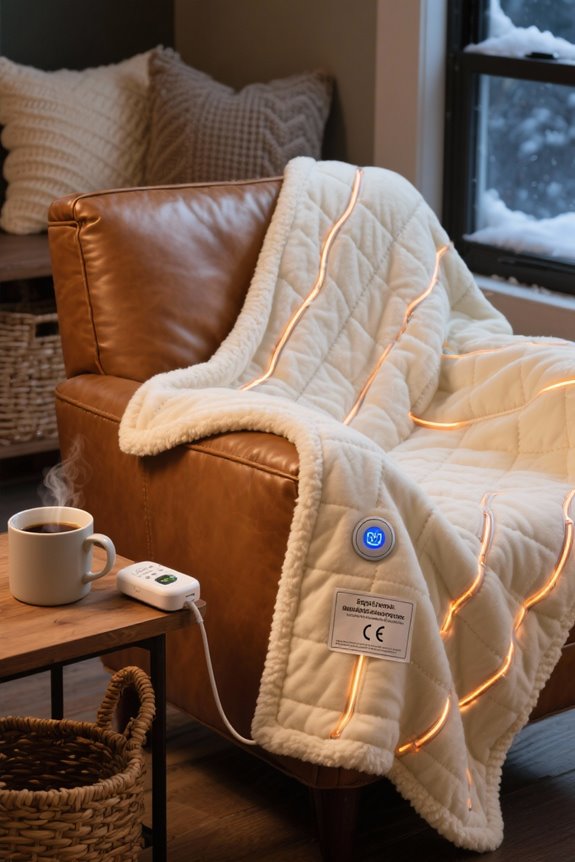
When comparing heat control and safety features, notable distinctions arise between electric throws and blankets. Electric throws typically offer 4 to 9 adjustable heat settings, enabling precise heat customization. Adjustments are often made via remote controls or integrated push buttons, some of which are detachable for ease of use, even post-wash. Unlike electric blankets, throws are designed for single-person use, providing uniform warmth across the fabric. Additionally, the rapid heating capability of electric throws is attributed to their smaller size. Many models also include programmable timers, allowing automatic shut-off after 1 to 9 hours, enhancing their safety features. Moreover, default settings for gradual warming or cooling contribute to user comfort and safety. Furthermore, electric throws often come with safety certifications like ETL or FCC, ensuring they meet stringent safety standards for consumer use.
Usage Situations
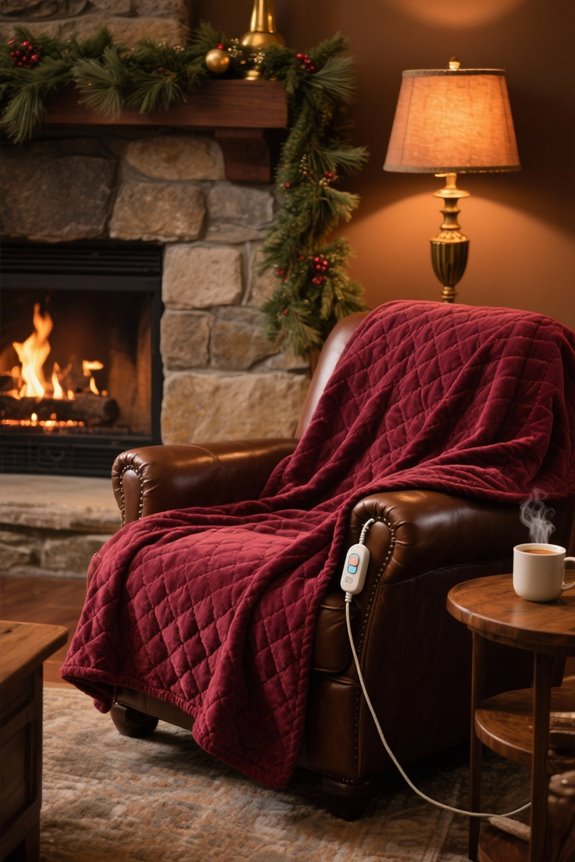
In various usage situations, heated throws and electric blankets cater to distinct needs based on their design and functionality. Heated throws are ideal for indoor scenarios like reading or watching TV, providing portable warmth where movement is limited, typically measuring around 50 x 60 inches. Conversely, electric blankets are best suited for bed use, either beneath or atop sheets, covering standard bed sizes with models featuring dual controls for couples. During colder months, heated throws offer quick, movable heat without extensive setup, while electric blankets are employed for sustained warmth at night, often featuring timers for energy efficiency. This flexibility and targeted warmth reflect seasonal preferences, allowing users to adapt to their specific comfort requirements effectively. Additionally, many electric blankets come equipped with multiple adjustable heat settings, ensuring personalized warmth for every user.
Effectiveness for Personal Comfort

Effectiveness for personal comfort varies greatly between heated throws and electric blankets, each serving unique purposes tailored to individual needs. Heated throws offer targeted warmth, concentrating heat on specific areas like the lap or shoulders, making them convenient for short activities such as reading. With fewer heat settings, they deliver immediate comfort while using less energy compared to larger blankets. This localized warmth can enhance personal warmth and promote relaxation. The compact, portable design makes them accessible for mood enhancement anytime at home. Typically featuring auto shut-off mechanisms, they’re suitable for brief sessions. Overall, heated throws cater to quick, adaptable comfort, supporting an improved sense of well-being during colder months without excessive bulk. Additionally, their low electromagnetic radiation levels contribute to a more comfortable experience for users.
Material and Comfort Considerations
Selecting the appropriate material for electric throws and blankets greatly influences user comfort and satisfaction. Common fabric types include fleece, Sherpa, flannel, cotton, and velvet, each contributing differently to insulation and texture variety. Fleece and Sherpa, with weights of approximately 200-220 gsm, provide excellent warmth and softness, ideal for colder months. In contrast, cotton offers breathability, making it suitable for warmer weather, effectively balancing heat retention with temperature control. Luxury materials like velvet enhance softness but may require special maintenance. The choice of fabric impacts the overall comfort experience, with plush textures delivering tactile satisfaction. Additionally, thicker fabrics often yield superior heat retention, creating an inviting, cozy environment for users in diverse settings throughout the year. Furthermore, higher GSM ratings ensure better insulation and warmth retention, making them excellent choices for winter use.
Safety Risks and Recommendations
Understanding the potential safety risks associated with electric throws and blankets is essential for ensuring safe usage and maximizing comfort. Common safety hazards include fire risks from faulty wiring or frayed fabric, and overheating linked to improper use, especially for vulnerable groups. Manufacturer guidelines emphasize the importance of using certified products and following installation instructions closely. To prevent accidents, inspect blankets before each use for damage, and avoid using them in wet conditions. Additionally, never fold or tuck electric throws, as this can lead to heat buildup. Regularly checking for recalls with the Consumer Product Safety Commission can help maintain safety standards. Ultimately, adhering to safety recommendations can greatly reduce risks, ensuring a comfortable experience. It is also crucial to prioritize safety features such as auto shut-off mechanisms to prevent overheating.
Energy Efficiency Comparisons
Energy efficiency plays a critical role in evaluating electric throws and blankets. Both of these heating options typically consume between 50 to 200 watts, offering localized heat that can greatly reduce energy consumption compared to central heating systems. Improved materials enhance thermal insulation and heat retention, contributing to overall energy efficiency. The adjustable power controls also allow users to customize heat output, aiding in further energy savings. Running costs for electric throws and blankets tend to be lower than space heaters, leading to substantial cost savings on utility bills. Seasonal usage patterns can further elevate their cost-effectiveness, especially when they mitigate the need for higher-energy heating alternatives, making them both a practical and economical choice for consumers. Additionally, proper incline in the use of electric throws can enhance comfort and further support energy efficiency.
Maintenance and Care Tips
Proper maintenance and care of electric throws and blankets are essential for ensuring safety, longevity, and peak performance. Users should always disconnect the electric throw and detach all controllers and cords prior to cleaning to avoid electrical hazards. Recommended cleaning methods include hand washing in cool to warm water or machine washing only if the care label specifies. Washing frequency should be once or twice monthly during colder months to maintain hygiene. Spot clean stains before washing, and avoid harsh chemicals and bleach, as they can damage materials. Air drying is preferred to prevent wiring damage, while gentle tumble drying may be used on low heat. Always inspect for damage before each wash, ensuring a safe experience. Additionally, following the cleaning instructions for heated blankets can help extend their longevity.
Frequently Asked Questions
Can Electric Throws Be Used While Sleeping?
Electric throws can be used while sleeping, but safety concerns must be addressed. Prolonged heat exposure may disrupt sleep quality, and individuals should guarantee proper conditions and certified safety features to minimize risks during use.
Are Electric Throws Machine Washable?
Electric throws are often machine washable, with about 80% of modern models featuring safety features like detachable cords. Adhering to manufacturer care instructions guarantees longevity by preventing damage during washing and preserving electrical components.
How Long Does It Take for an Electric Throw to Heat Up?
Electric throws typically begin heating within minutes, achieving maximum warmth in about 20 minutes. Their heating mechanism and various temperature settings enable rapid, efficient heat distribution, enhancing user comfort and ensuring a cozy experience.
Do Electric Throws Come With Warranties?
Electric throws typically come with warranty details that span from one to five years, reflecting product longevity. Most warranties cover defects under normal use, but conditions and registration requirements may apply for full protection.
Can I Use an Electric Throw in My Car?
Electric throws can be used in cars, providing additional car heating and travel comfort. They typically connect to the vehicle’s 12V outlet, enhancing warmth during cold journeys while avoiding excessive battery drain if used wisely.


