As an Amazon Associate, we earn from qualifying purchases. Some links on this site are affiliate links at no extra cost to you. Our recommendations are based on thorough research and editorial judgment.


Tower Vs Panel Heaters: Which Heats A Room Faster

Tower heaters heat a room faster than panel heaters due to their forced convection design and built-in fans. They can quickly warm small to medium-sized rooms, typically achieving desired temperatures within minutes. In contrast, panel heaters rely on natural convection, making them slower. While tower heaters efficiently cover areas of 150 to 300 sq. ft., panel heaters may require higher wattage to warm larger areas effectively. Understanding their distinct features can help determine the best option for one’s needs.
Key Takeaways
- Tower heaters excel in heat-up speed due to forced-air design and built-in fans, providing warmth within minutes.
- Panel heaters rely on natural convection, resulting in slower heat dispersal compared to tower heaters.
- Tower heaters effectively heat small to medium-sized rooms, utilizing oscillation features for even distribution.
- Panel heaters can be more energy-efficient but take longer to warm a room due to their reliance on convection.
- For fast heating needs, tower heaters are the superior choice, while panel heaters may suit more permanent, quiet settings.
Understanding Heating Technology
You may be interested


When considering heating solutions, understanding the underlying technology is essential for making informed choices. The heating principles of panel heaters and tower heaters differ greatly, reflecting their thermal dynamics. Panel heaters utilize convection heating, warming air that naturally circulates in a room. Constructed with metal grills or mica sheets, these heaters provide silent operation and efficient energy use, converting nearly 100% of electricity into heat without motor loss. In contrast, tower heaters employ ceramic elements, generating heat quickly and distributing it through forced convection aided by built-in fans. Although fans enhance air circulation, they divert some energy, reducing overall efficiency. Understanding these technologies helps consumers identify suitable heating solutions tailored to their specific environments and heating needs, especially when considering the energy-saving capabilities of mini space heaters for supplemental heating.
How Tower Heaters Work
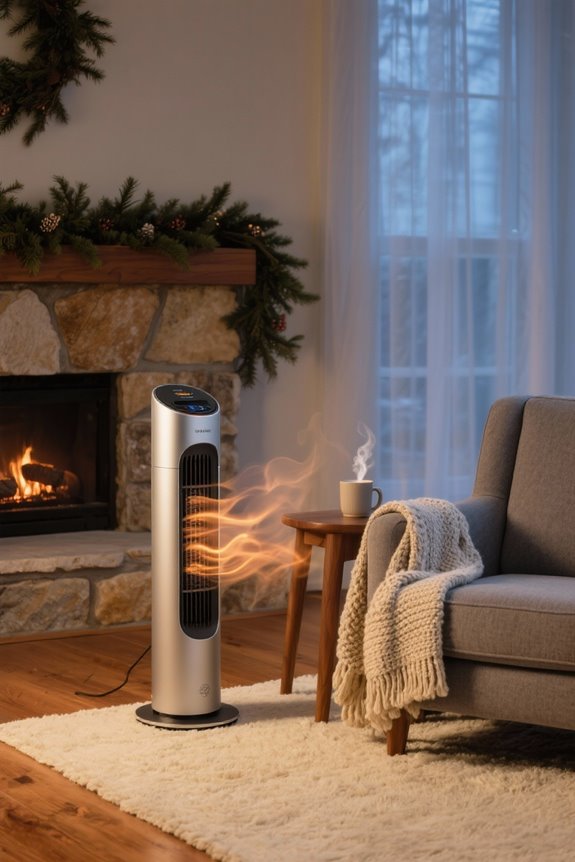
Tower heaters operate primarily through electric resistance heating elements, often composed of nichrome wire, which convert electrical energy into heat. The tower design features a tall, slim structure that promotes natural convection, allowing warm air to rise and circulate effectively. Many units include a fan, enhancing airflow and thereby increasing heating efficiency. The combination of ceramic heating elements, which quickly warm up and have self-regulating properties to prevent overheating, contributes to rapid temperature increases. These heaters focus heat upwards, minimizing cold spots across a room while maximizing heat distribution. With nearly 100% conversion of electrical energy into heat, tower heaters efficiently heat spaces while utilizing compact designs that fit easily in tight areas. Additionally, many models, such as the Dreo Portable Electric Heater, are designed to be lightweight and portable, making them easy to relocate as needed.
Recommended Products

Powerful heat that fits everywhere: DREO space heaters for indoor combines Hyperamics 1500W advanced PTC system with a new heat funnel design to deliver heat within seconds and enhance warm air circulation for up to 200% farther reach than traditional heaters.

ETL-Certified Safety: Made of V0 flame-retardant materials with multiple safety features including built-in smart tip-over protection, overheat protection, 12-hour timer, 24-hour automatic power off without interaction, V0 flame retardant 2-prong plug, and sturdy 6ft long flat power cord. Safe and worry-free all-day use. Safety Reminder: Please do not use with an extension cord. Only plug directly into the wall outlet.
How Panel Heaters Work
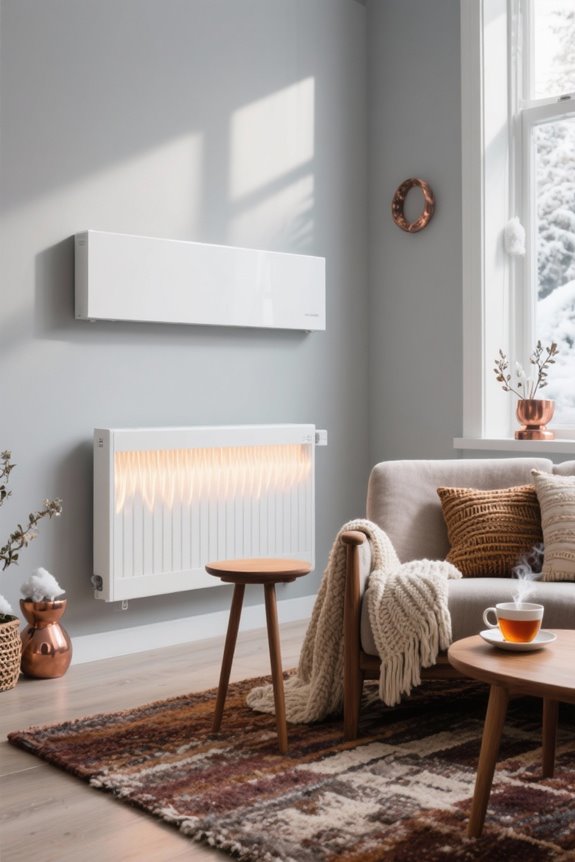
Panel heaters are diverse and operate using either convection or radiant heating methods. The convection panel heater warms the air, creating a cycle where heated air rises and circulates throughout the room. In contrast, radiant panel heaters use infrared waves to directly heat objects, surfaces, and people without warming the air. Installation processes vary; some models are hardwired, while others plug into outlets, and they can be mounted on walls, ceilings, or floors. Radiant systems often consume less energy, as they operate efficiently at lower temperatures without relying on air circulation. Meanwhile, convection heaters might encounter efficiency losses through drafts, requiring higher air temperatures to achieve the same comfort level. Choosing the right heating method can impact energy consumption and overall efficiency in your space.
Recommended Products

SAVE UP TO 50% OF YOUR HOME HEATING COSTS: Lower your energy bills and still feel cozy and warm with our electric heater. Our flat heaters are ENERGY EFFICIENT, consuming 0.6 KW/HR., which is less than 1/3 of the electricity than conventional space heaters. This method will lower your energy bills with great savings and will keep the room with constant ambient warmth.
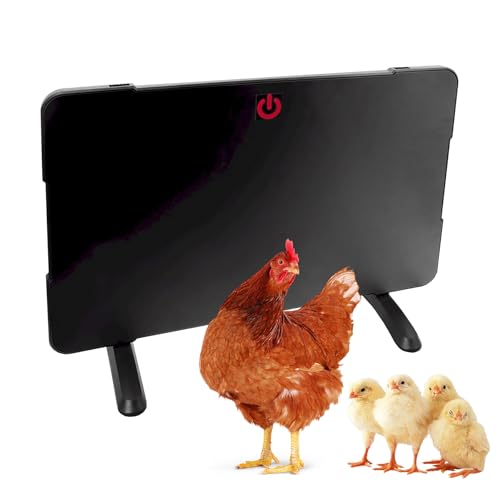
CONVERTIBLE 2-IN-1 DESIGN: For use as either a 200W chicken coop heater or a 50W horizontal brooder heater for baby chicks, this radiant panel heater provides consistent warmth
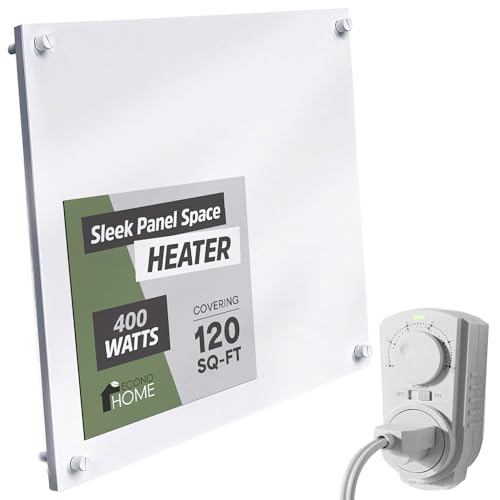
CONVECTOR HEATER SPECS: Ideal for a 120 sq. ft. room, 400 watts, 120 volts, 3.33 amps. Panel Heater Dimensions: 23.5 x 23.5 x ¼”. cETL approved. UL-2021 & RoHS compliant. HEAT REFLECTOR INCLUDED, temperature ranges between 41-86 °F. This unit may be HARD WIRED! OVERHEAT PROTECTION for your safety! We offer a 3 Year Manufacturer Warranty!
Heat-Up Speed Comparison
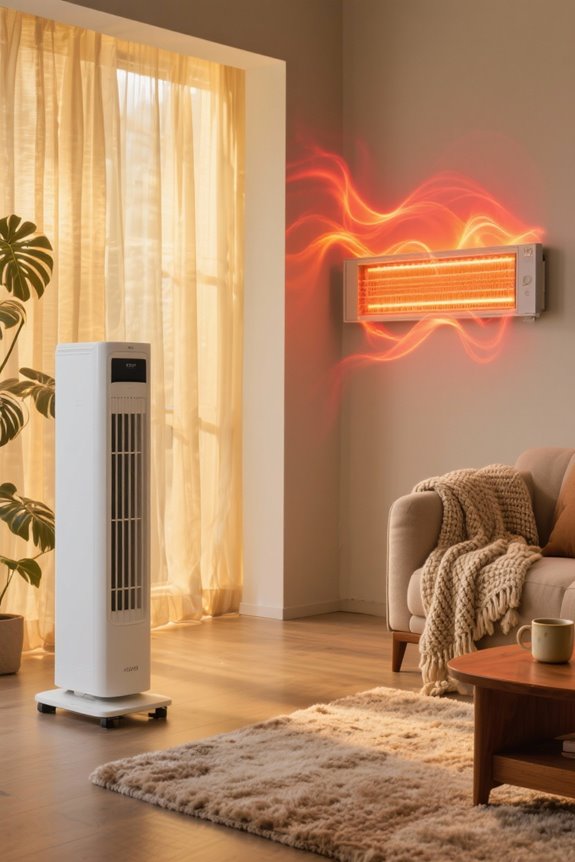
How quickly can heaters bring warmth into a space? Tower heaters excel in heat-up speed due to their forced-air design, producing noticeable warmth within minutes. This rapid delivery results from internal heating elements combined with a fan that guarantees immediate heat distribution. In contrast, panel heaters rely on natural convection, which gradually warms the air in contact with their surfaces, leading to slower heat dispersal throughout the room. While both types convert electrical energy to heat with 100% efficiency, tower heaters create a localized “spot” of heat more efficiently. For user comfort in small to medium rooms, tower heaters provide a clear advantage, offering quick, responsive heat compared to the gradual warmth of panel heaters in larger spaces. Additionally, models like the Dreo Quiet Space Heater operate quietly while delivering efficient warmth, making them suitable for various settings.
Recommended Products

Heats up in 3S, Create a Warm & Comfortable Zone: This space heater including H1-H3 Heating mode(68℉-99℉ ).Its bladeless design ensures a gentler and more even airflow, efficiently and quickly bringing the environment to the appropriate temperature, protecting your family's warmth and happiness in winter.It is suitable for use in places such as beside the bed in the bedroom, in the study, next to the desk, and in the nursery.

The Ultimate Heating Experience: DREO's upgraded 25" space heaters for indoor use brings 11.5 ft/s fast heat thanks to its new hyperamics thermal design, while the extended impeller doubles the heat range making it the ideal space heater for large rooms and warmer winters.

3S Fast Heating, Instant Warmth: Powerful 1400 watt Brushless DC motor heating element allows this space heaters for indoor use quickly heat up to 70°F in 3 seconds, 80°widespread oscillation portable heater rotates from side to side to generates more effective, immediate and evenly warmth for your surroundings, guards your family's warmth and happiness in winter. There are 3 modes of our heated fan, including low, high heating settings and fan only.
Room Coverage of Tower Heaters
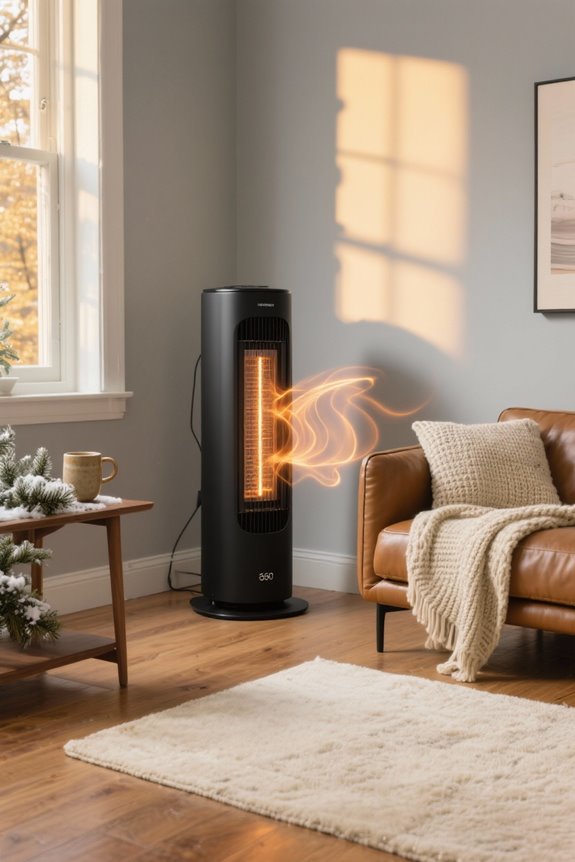
Efficient room coverage is a crucial factor for anyone considering a heating solution. Tower heaters demonstrate notable adaptability, efficiently warming small to medium-sized rooms, typically ranging from 150 to 300 square feet. Featuring a compact design, these heaters fit snugly into tight corners, making them ideal compact room solutions. Many models employ ceramic or infrared heating technology for quick, effective warmth. Additionally, oscillation features enhance heat distribution, ensuring even coverage throughout the room. Their slim profile allows for easy placement without sacrificing valuable floor space. With safety features such as tip-over and overheat protection, tower heaters provide both comfort and security in various settings, including offices and personal spaces, catering to diverse heating needs efficiently. Furthermore, their use can lead to potential savings of 30-40% on heating costs by concentrating energy use in occupied spaces.
Recommended Products
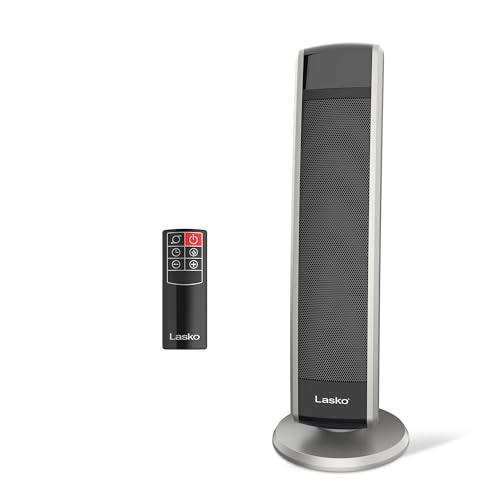
POWERFUL WHOLE-ROOM HEATING: Experience comforting warmth with 1500 watts of power and an elongated ceramic heating element that delivers penetrating air velocity to circulate heat evenly throughout the room. Ideal for bedrooms, living rooms, and home offices.

WHOLE-ROOM HEATING: This Lasko space heater uses a patented comfort system to project 1500 watts of fast, even heat throughout your space. Ideal as an indoor room heater for bedrooms, offices, or living areas, it quickly warms up any medium-sized room

【RAPID HEATING & CONSTANT TEMPERATURE】Using reliable and effective ceramic heating technology, this powerful 1500W heater quickly heats up to 70°F in 3S, providing a consistent and comfortable temperature. With 26% more hot air vents, you can feel the change from cold to warm quickly and fully.
Room Coverage of Panel Heaters
While the coverage of panel heaters is primarily influenced by their wattage and the dimensions of the room, understanding room insulation and design plays an imperative role in achieving ideal heating effectiveness. Panel heaters typically require a power density of 20W to 30W per cubic meter, depending on insulation impact and room type. For instance, a 16 m² room with solid walls needs about 2.48 kW for adequate heating capacity. Strategic heater placement is vital, as infrared radiant heat necessitates addressing cold zones, especially near windows or external walls. Utilizing multiple units improves coverage uniformity in larger spaces. Overall, considering thermal efficiency, room dimensions, and wattage requirements can considerably enhance the effectiveness of panel heaters in various settings. Additionally, safety features such as automatic shut-off in electric heating devices can further ensure a safe heating experience.
Recommended Products

2000W CONVECTOR COVERS UP TO 200 SQ FT on a 240V circuit (about 1500W on 208V), delivering quiet convection heat from a bottom air intake to a front discharge with no fan noise. This is not a plug-in unit

EFFICIENT LOW-WATTAGE WALL HEATER: This wall-mounted heater is designed to provide targeted comfort in specific areas of your home. Its energy-efficient design allows it to supplement or replace your central heating system effectively. With low wattage and a safe design, it helps maintain a comfortable room temperature while minimizing energy consumption.

Reliable Winter Warmth That Lasts: Enjoy a cozy home with the Ballu Space Heater, built with a patented Hedgehog Heating Element crafted from aerospace-grade aluminum and protected by an all-metal body. Engineered for long-term performance—tested to deliver warmth season after season. Backed by a 2-year warranty, your purchase is well supported for added peace of mind
Energy Efficiency of Tower Heaters
Tower heaters represent a popular choice for supplemental heating, particularly due to their energy-efficient features designed to optimize power consumption. Typically ranging from 1,200 to 1,800 watts, these units offer flexibility in heating output and energy savings. Energy usage can amount to approximately 84 kWh weekly when operated for eight hours daily. Programmable thermostats and smart controls enhance efficiency, maintaining desired room temperatures and reducing wasted energy. The incorporation of hybrid heating technology improves rapid heat delivery and overall performance. As energy efficiency standards advance, these heaters are built to last, potentially extending their heater lifespan while minimizing operational costs. In insulation-focused environments, tower heaters can demonstrate enhanced effectiveness, showcasing their role in modern energy-efficient living spaces. Additionally, choosing heaters with safety features such as overheat protection can further enhance both safety and performance.
Energy Efficiency of Panel Heaters
Panel heaters provide a highly efficient method of heating spaces, particularly when considering their energy consumption and the technology behind their operation. They convert 100% of electricity into heat without energy loss during conversion. Infrared panel heaters, specifically, heat objects and people directly, improving heat distribution and reducing energy waste. Compared to traditional electric heating methods, these heaters can use up to 30% less energy, resulting in significant energy savings. Additionally, panel heaters are approximately 36% more efficient than conventional convector heaters. Their design allows for tailored heating, reducing the overall volume of air requiring warmth. This combination of factors makes panel heaters an environmentally friendly choice, especially when powered by renewable electricity, further enhancing efficiency. Furthermore, filter-free models eliminate the need for continuous filter replacements, further improving convenience and maintenance.
Safety Features of Tower Heaters
Safety features are an essential aspect of tower heaters, ensuring user protection and operational reliability. These devices incorporate several safety mechanisms. For instance, the tip-over switch automatically shuts off the heater if it tips, preventing potential accidents. Additionally, overheat protection engages if temperatures become unsafe, considerably reducing fire risks. The cool-touch housing remains at a safe temperature during operation to prevent burns. Furthermore, many tower heaters use flame-resistant materials, enhancing overall safety. Their portable design allows for easy relocation, minimizing fixed installation errors. Features like automatic shut-off timers and programmable settings also contribute to safer usage. Smart models enable remote monitoring, further ensuring safe and efficient operation, making them an ideal choice for home heating. Moreover, similar to OCOOPA hand warmers, tower heaters also focus on user-friendly design and efficient heating capabilities.
Safety Features of Panel Heaters
In evaluating the safety features of panel heaters, it is evident that these devices prioritize user protection through various mechanisms. Many panel heaters meet stringent certification standards, such as UL, ETL, and CE, ensuring compliance with health, safety, and environmental regulations. For instance, a thermal cut-off switch prevents overheating, automatically shutting down the unit when temperatures exceed safe limits. Additionally, tip-over switches are integrated to cut power instantly if the heater is knocked over, further enhancing panel heater safety. Constructed with materials that withstand high temperatures, panel heaters maintain relatively low surface temperatures, reducing burn risk. Many models incorporate cool-to-the-touch technology, making them safer for homes with children and pets, emphasizing their reliability in everyday environments. Moreover, safety features like overheat protection ensure peace of mind while using these heating devices.
Noise Levels: Tower vs. Panel
When comparing noise levels of heating devices, an important distinction arises between tower and panel heaters. Panel heaters operate virtually silently, lacking moving parts, which makes them ideal for noise-sensitive environments like bedrooms and offices. Their noise profile usually blends into typical residential background levels of 25-40 dBA, avoiding sound disruption. In contrast, tower heaters, which utilize fans for air circulation, generate noise levels around or below 40 dB. These levels can be more prominent in tranquil spaces, potentially causing discomfort for those with noise sensitivity. While some tower models aim for reduced sound, they still cannot match the silence of panel heaters. For uninterrupted heating, panel heaters provide a clear advantage in minimizing auditory interference.
User Control and Features Comparison
User control and features greatly influence the functionality of tower and panel heaters. Panel heaters typically offer advanced digital features, such as precise temperature settings and programmable timers. These features enhance user convenience, allowing for scheduled operation. In contrast, tower heaters focus on user-friendly interfaces, often featuring digital displays and remote controls for easy adjustments from a distance. Both types usually include thermostats for consistent temperature regulation, but panel heaters have more precise controls that suit steady background heating. Many panel heaters also integrate with smart home systems for advanced scheduling. With built-in timers, users can preheat rooms, maximizing energy efficiency while ensuring comfort, showcasing the diverse control options available in both heater types.
Frequently Asked Questions
Are Tower Heaters Better for Larger Rooms Than Panel Heaters?
Tower heaters triumph in larger rooms, showcasing superior heating efficiency through swift air circulation. Their ability to rapidly raise room temperatures makes them particularly practical for expansive spaces, outperforming panel heaters in both speed and effectiveness.
Do Tower Heaters Consume More Electricity Than Panel Heaters?
Tower heaters generally exhibit higher electricity consumption compared to panel heaters. Their heating efficiency relies on convection, often consuming more energy during rapid output, while panel heaters utilize radiant heat for effective, lower energy use.
How Long Do Heating Elements in Tower Heaters Last?
Like a flickering flame, heating element lifespans in tower heaters average around 5,000 to 10,000 hours. Adhering to maintenance tips, such as regular cleaning and inspection, can remarkably enhance longevity, ensuring efficient performance over time.
Can Panel Heaters Be Used Outdoors?
Panel heaters cannot be used outdoors due to panel materials not being weatherproof, which leads to risks of electrocution and fire. Indoor use is recommended, adhering to safety guidelines for proper operation.
What Safety Features Are Essential for Both Heater Types?
Essential safety features for both heater types include overheating protection, a tip-over switch for child safety, and energy efficiency measures. These elements greatly minimize risks associated with fire hazards and potential injuries in residential environments.