As an Amazon Associate, we earn from qualifying purchases. Some links on this site are affiliate links at no extra cost to you. Our recommendations are based on thorough research and editorial judgment.

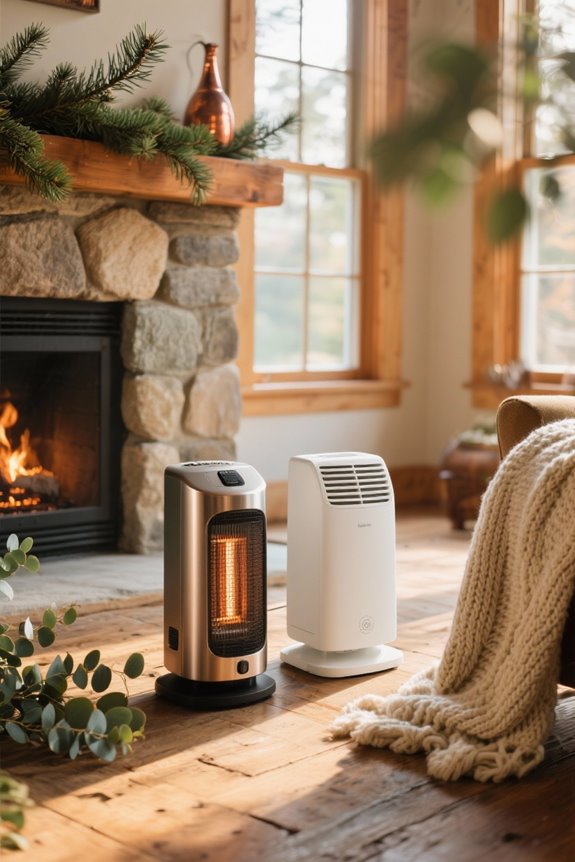
Radiant Vs Convection Heaters: Key Differences

Radiant heaters and convection heaters differ fundamentally in their heating methods. Radiant heaters use infrared radiation to provide immediate warmth, typically achieving up to 30% greater energy efficiency for short-term use. In contrast, convection heaters warm air and rely on circulation, often requiring prolonged operation in large spaces. Radiant systems perform better in drafty areas and can minimize airborne particles, improving indoor air quality. To explore more about these heating options and their unique benefits, further insights await.
Key Takeaways
- Radiant heaters provide immediate warmth through infrared radiation, while convection heaters warm air slowly, resulting in longer warm-up times.
- Radiant systems are more energy-efficient, using up to 30% less energy for short-term use compared to convection heaters.
- Radiant heaters allow for targeted heating in specific areas, minimizing energy waste, while convection heaters evenly warm larger areas.
- Installation of radiant heaters offers flexibility with various mounting options, while convection heaters require specific placement for optimal airflow.
- Radiant heating reduces airborne particles, making it healthier for individuals with respiratory issues, unlike convection systems that can circulate dust and allergens.
Fundamental Heating Principles
You may be interested



Heating principles are fundamentally based on two primary mechanisms: radiant and convection heat transfer. Radiant heat operates through infrared radiation, directly warming objects and people without greatly affecting the surrounding air. This method’s efficiency allows heat to reach surfaces quickly, making it ideal for spaces where immediate warmth is desired. Conversely, convective heat relies on warming air molecules, creating circulation patterns as warmer air rises while cooler air descends. Although convection can uniformly raise air temperature, it tends to be slower and less efficient due to air’s low capacity for heat retention. In drafty areas or outdoor conditions, radiant heat often outperforms convective heat, showcasing the distinct advantages of these two heating approaches. Additionally, the concept of cooling gel memory foam in bamboo wedge pillows illustrates how specialized materials can enhance comfort and efficiency, much like the targeted heat of radiant systems.
Energy Efficiency and Heat Retention
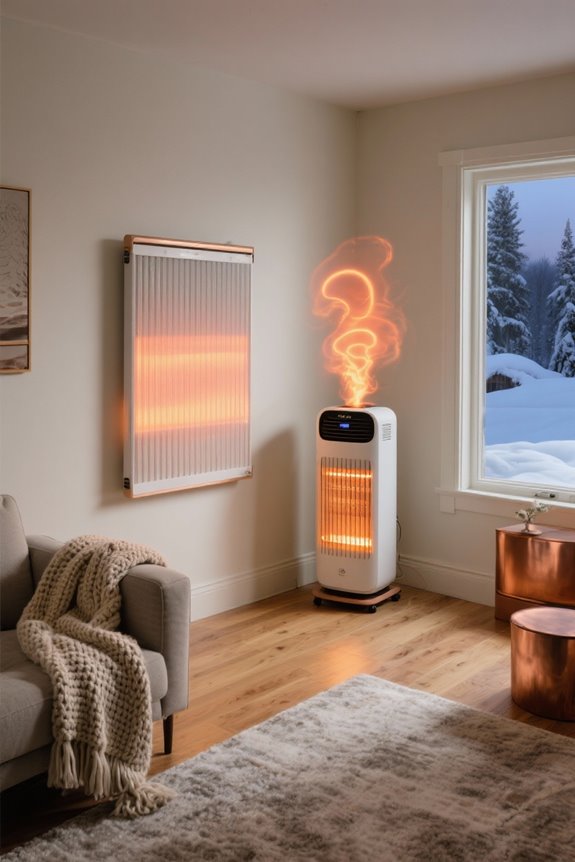
What factors contribute to energy efficiency and heat retention in different heating systems? Radiant heaters directly warm objects and people, reducing energy consumption by operating for shorter periods. Their thermal dynamics allow for efficient heating, displaying up to 30% greater energy efficiency in short-term uses compared to convection heaters. Conversely, convection heaters, relying on air circulation, can consume more energy due to prolonged operation in larger or poorly insulated spaces. While radiant systems excel in delivering quick, focused warmth, they also retain heat effectively through thermal mass interaction, maintaining warmth even after being turned off. Convection heating, however, struggles with heat dissipation as warmed air rises quickly, leading to inefficient energy retention and the need for continual energy input to maintain comfort. Additionally, H13 true HEPA filtration technology is noteworthy for its effectiveness in capturing airborne particles, enhancing overall air quality in heated environments.
Speed and Control of Heating
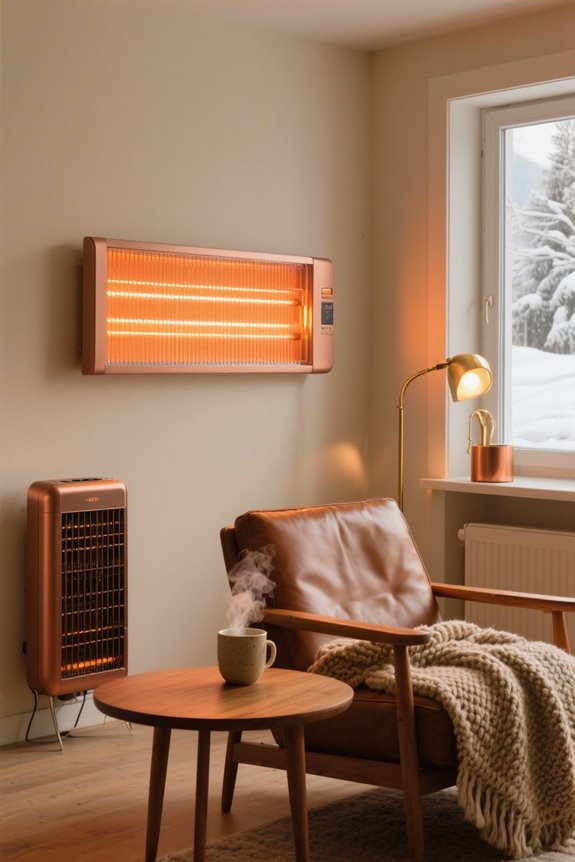
Speed and control are critical factors in evaluating heating systems, especially when comparing radiant and convection heaters. Radiant heaters offer immediate heating speed by delivering instant warmth directly to surfaces and people, reducing any warm-up delay. In contrast, convection heaters take longer as they first warm the surrounding air, which can lead to slower initial heat distribution, though forced air can enhance this process. Regarding control precision, radiant heaters provide targeted warmth, allowing users to focus on specific areas, hence minimizing energy waste. Convection heaters, while offering more uniform heat, lack the ability to zero in on localized zones effectively. As a result, for rapid heating and precise control, radiant systems often emerge as the more efficient choice. Additionally, heavy-duty space heaters typically consume between 1,500 to 5,000 watts, providing a range of heating options for various room sizes.
Installation and Positioning Flexibility
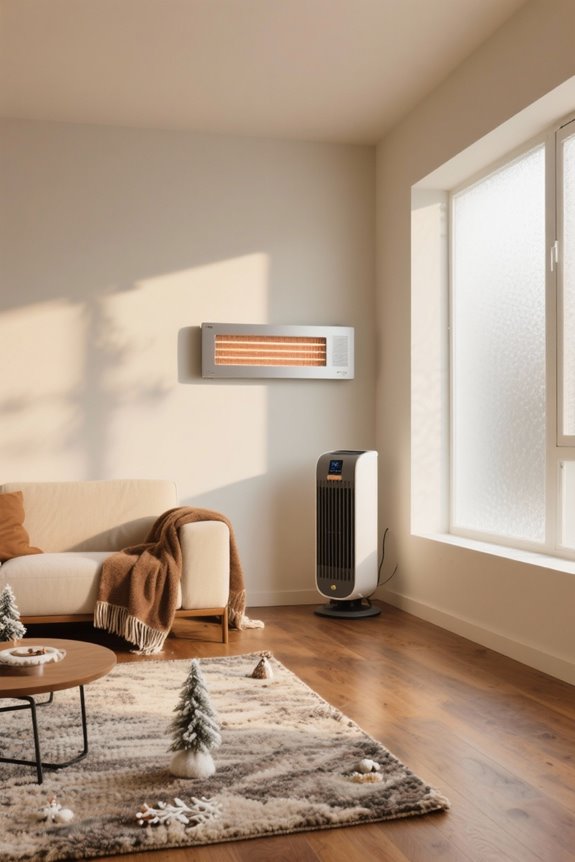
When considering installation and positioning flexibility, radiant and convection heaters present distinct advantages based on their design and functionality. Radiant heaters often utilize various mounting options, such as walls, ceilings, or floors, which helps maximize direct heat exposure. These units can operate effectively in open spaces or high-ceiling areas due to their ability to warm objects directly. In contrast, convection heaters require strategic placement near the floor, with careful spacing considerations to guarantee peak air circulation. They perform best in enclosed, smaller spaces. Additionally, radiant heaters can save floor space and seamlessly integrate into existing architecture. Meanwhile, convection heaters, particularly larger models, may need significant clearance and proper venting for safe operation, thereby impacting layout flexibility. Users seeking ultimate comfort and support should consider how each heater type aligns with their needs and space constraints.
Health and Environmental Impact
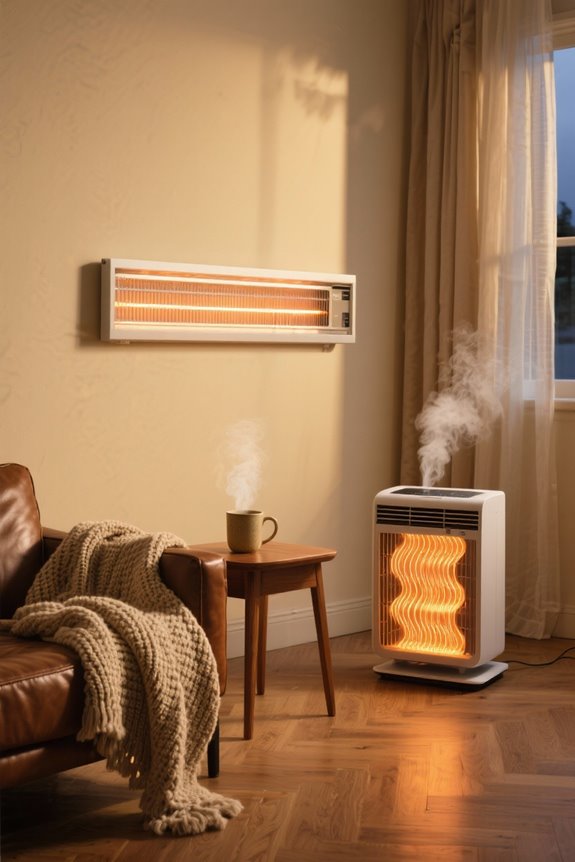
Understanding the health and environmental impact of radiant and convection heaters is essential for consumers seeking efficient home heating solutions. Radiant heaters provide significant health benefits by reducing airborne particles, which minimizes dust, allergens, and pathogens. This feature is particularly advantageous for individuals with asthma and allergies, promoting a cleaner indoor environment. Conversely, convection heaters circulate air, which can exacerbate these conditions. Additionally, radiant systems are known for their energy efficiency, often consuming less power, which supports environmental sustainability. They can utilize alternative energy sources, such as solar power, further reducing reliance on fossil fuels. Consequently, radiant heating not only enhances personal health but also contributes to a healthier planet through lower emissions and improved air quality. Furthermore, energy-efficient options like radiant heaters can lead to substantial savings on power bills over time.
Use Case Suitability and Practical Considerations
Radiant and convection heaters serve distinct use cases in home heating scenarios, each with unique advantages tailored to specific environments. Radiant heaters excel in providing direct, instantaneous heat, making them suitable for targeted spaces, like workshops or open areas. Their radiant advantages include high energy efficiency, converting up to 90% of energy into heat, and minimal installation requirements. In contrast, convection heaters, while offering whole-room warming, face convection limitations due to their slower heating processes and reliance on air circulation. They best serve continuous heating needs in enclosed spaces, providing comfortable, even temperatures over time. Ultimately, choice depends on heating needs—quick warmth versus sustained, room-wide comfort, guiding users toward the appropriate heating solution for their specific applications. Additionally, localized heating can reduce overall heating costs by up to 50%, making it a valuable consideration when selecting a heater.
Cost Analysis of Heating Options
Heating system costs present a critical consideration for homeowners evaluating their options. Radiant heating systems typically range from $6 to $20 per square foot for installation, with hydronic systems incurring the highest cost due to complexity. In contrast, convection heating systems cost about $3 to $11 per square foot, heavily influenced by ductwork intricacies. These cost variables highlight the installation trade-offs; radiant systems often require specialized setups, while convection systems are more budget-friendly, especially where ductwork is present. Additionally, while radiant heaters may involve higher initial costs, their energy efficiency—up to 30% better than convection—can lead to long-term savings. Home size and heating design considerably impact overall expenses, necessitating careful financial planning. Furthermore, many modern heaters incorporate advanced safety features that enhance user confidence and comfort during operation.
Maintenance Requirements
Maintenance of heating systems plays a significant role in their overall performance and longevity. Radiant heaters require regular maintenance schedules to guarantee efficiency. Before servicing any radiant heater, power must be completely shut off, preventing any risk of electric shock. Essential cleaning techniques include inspecting heating elements for cracks and cleaning reflectors and burner components to maintain peak heat output. For hydronic systems, checking system pressure and monitoring pH levels annually prevents corrosion. Additionally, thermostats demand periodic recalibration and battery replacement. By restoring proper airflow through filters and performing thorough inspections of gas valves, users can avert potential hazards and enhance their heater’s lifespan. All-encompassing maintenance safeguards heating efficiency and promotes safety for peak home comfort. Furthermore, oil-filled radiator heaters, like the Dreo model, are designed with maintenance-free designs that simplify usage and upkeep.
Comfort and User Experience
In many residential and commercial settings, comfort and user experience are crucial considerations when selecting a heating system. Radiant heaters deliver immediate warmth by directly heating people and surfaces, ideal for specific comfort zones. This rapid heat response is beneficial in outdoor areas or drafty indoor spaces. Conversely, convection heaters warm the surrounding air but require several minutes to achieve perceptible warmth, creating a longer wait for comfort. The even heat distribution of convection units supports larger areas, yet they may produce drafts, impacting perceived comfort. User preferences also play a role, as radiant systems often feature adjustable settings, enhancing targeted heating, while convection systems prioritize consistent, uniform warmth across expansive areas, accommodating diverse heating preferences. Additionally, just like insulated travel mugs, thermal capabilities are essential for maximizing comfort in varying environments.
Long-term Energy Savings
Choosing the right heating system can lead to significant long-term energy savings. Radiant heaters, which provide direct heat to objects and people, often need shorter run times and lower electricity usage, particularly in targeted heating scenarios. In contrast, convection heaters must operate longer to maintain room temperatures, resulting in higher cumulative energy consumption. Savings comparisons show that radiant systems achieve greater thermal efficiency by transferring heat directly and maintaining stable temperatures. This efficiency reduces the need for frequent thermostat adjustments, aligning with current energy trends favoring lower energy demand. Radiant systems can operate effectively at lower thermostat settings, enhancing savings potential, especially in spaces that require intermittent heating, leading to overall decreased energy costs. Additionally, safety features such as automatic shut-off in electric hand warmers ensure reliable operation, further supporting energy-efficient heating solutions.
Frequently Asked Questions
Can Radiant Heaters Be Used Safely Indoors?
In the domain of warmth, radiant heaters offer indoor safety while embracing efficiency. Like guardians against cold, they thrive when used within guidelines, ensuring comfort without compromising safety, shielding homes from hidden threats lurking in the shadows.
How Loud Are Convection Heaters During Operation?
Convection heaters typically operate at noise levels ranging from 40 to 60 decibels, with operational sounds generated primarily by fan mechanisms. Higher speeds can increase noise, while lower settings often result in quieter performance.
Do Radiant Heaters Require Special Electrical Outlets?
Amid a cool room, radiant heaters demand specific outlet compatibility, adhering to stringent electrical requirements. Dedicated circuits and proper voltage guarantee safe operation, preventing hazards while warmly enveloping the space in comfort.
Are There Any Safety Concerns With Radiant Heaters?
Safety concerns with radiant heaters include potential fire hazards if improperly installed or placed too close to combustible materials. Additionally, ensuring children’s safety by keeping heaters out of reach is essential for minimizing risks.
Can Convection Heaters Work in High Ceilings?
Like warm air trapped in a balloon, convection heaters struggle in high ceilings. Their convection efficiency diminishes as warm air rises, leaving cold floors and inefficient heating, making them less effective in such spaces.


