As an Amazon Associate, we earn from qualifying purchases. Some links on this site are affiliate links at no extra cost to you. Our recommendations are based on thorough research and editorial judgment.


Preventing Mold Growth In Humidifiers: Step By Step

Preventing mold growth in humidifiers involves several key steps. First, maintain indoor humidity between 30% and 50% to inhibit mold development. Next, choose an evaporative or ultrasonic humidifier, which minimizes mold risks. Regularly clean the unit by rinsing and wiping surfaces daily, and perform a deep cleaning with bleach monthly. Inspect the water tank and filters daily for discoloration or odors, replacing filters every 30 to 60 days. Proper maintenance guarantees ideal air quality and health. Additional strategies exist for effective mold control.
Key Takeaways
- Maintain indoor humidity levels between 30% and 50% to create an unfriendly environment for mold growth in humidifiers.
- Regularly clean and disinfect humidifier components using vinegar or mild detergent to eliminate organic residues that may promote mold.
- Use distilled water in your humidifier to reduce mineral buildup and lower the risk of mold development.
- Inspect your humidifier daily for signs of mold, including discoloration, odors, or visible growth, and address any issues immediately.
- Replace filters every 30 to 60 days to maintain optimal performance and inhibit mold growth effectively.
Understanding Mold Growth in Humidifiers
You may be interested


Mold growth is a prevalent concern in humidifiers, as these devices create favorable conditions for mold proliferation. Mold reproduction factors include warm temperatures and high humidity levels, which humidifiers often facilitate. The best indoor humidity range to minimize growth is between 30% and 50%. If humidity exceeds this range, excess moisture can accumulate, fostering an environment conducive to mold. Additionally, different humidifier material types can impact mold development; units made from certain plastics may harbor organic residues, promoting mold growth. Regular maintenance, such as cleaning and timely water changes, is essential. Standing water can also exacerbate mold risks, making consistent upkeep critical in preventing health issues like respiratory difficulties linked to mold exposure. Using antimicrobial treatments can further enhance the prevention of mold growth in humidifiers.
Choosing the Right Humidifier Type

Selecting the appropriate type of humidifier is essential for maintaining ideal indoor air quality and preventing mold growth. Evaporative humidifiers, like the Airdog MOI, utilize cold evaporation technology, making them highly effective in naturally humidifying air while minimizing mold risks. Their washable filters and consistent airflow contribute to stable humidity levels without needing frequent replacements. Ultrasonic humidifiers, such as the Safety 1st model, offer features like filter-free designs and LED sanitization to address microbial growth. These humidifiers provide quiet operation and are easy to clean, making them ideal for home use. By evaluating evaporative humidifiers benefits and ultrasonic humidifiers features, individuals can select the best option for comfort and health, effectively reducing the potential for mold development. Additionally, using distilled water in these devices can help minimize mineral buildup, further preventing mold growth.
Recommended Products

Mist-free evaporative humidification for spaces up to 600 square feet including adjoining spaces that cannot be closed off such as hallways, lofts, and stairways. Based on standard 8-foot ceilings.

【Industrial-Grade 2500 Sq Ft Coverage — Odor & Allergy Relief】CARB, UL, and RoHS certified Air Cleaner. Dual-side intake and CADR 488 m³/h deliver fast circulation for large rooms, living room, and whole-house use. Eliminates pet odors, smoke, and cooking smells — ideal for allergy sufferers, pet owners, and families.

HEALTHIER AIR FOR YOUR FAMILY: Hydrate your air with a stainless steel humidifier. Relieve dry skin, allergies, and poor sleep with safe, clean mist for every room.
Regular Cleaning Practices

To maintain ideal performance and prevent the growth of harmful microorganisms, regular cleaning practices for humidifiers are essential. Daily tasks include unplugging the unit, emptying all standing water, rinsing with fresh water, and wiping surfaces with a clean, dry cloth. Refill the tank with distilled water before the next use. Weekly, disassemble water-contacting parts, clean with white vinegar or mild detergent, rinse thoroughly, and dry to prevent moisture buildup. Monthly deep cleaning involves using a bleach solution, mixing one gallon of water with one teaspoon of bleach, allowing it to sit for 15-20 minutes, and rinsing the tank. Additionally, employing effective sanitizing techniques and adhering to specified cleaning frequency guarantees peak functionality and inhibits mold growth. Regular cleaning helps ensure the whisper-quiet operation of your humidifier, allowing for a more comfortable sleeping environment.
Recommended Products
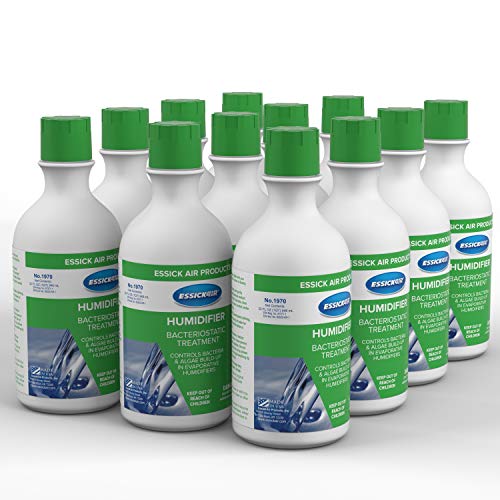
12 -32 Ounce Bottles

[KEEP YOUR AIR FRESH & CLEAN] – Improve the effectiveness of your humidifier and protect your family’s health with the Best Air Humidifier water treatment solution. This humidifier maintenance solution prevents the growth of mold, algae, and other unwanted and harmful elements, ensuring cleaner and fresher air every time.

Daily Inspection for Mold

Daily inspections for mold are an integral part of maintaining a humidifier’s functionality and safety, complementing regular cleaning practices. Mold detection is vital, particularly inside water tanks and collection trays, where visible black, green, or fuzzy spots may appear. Using a flashlight, one should examine hard-to-see areas for discoloration or cloudiness, indicating mold presence. Additionally, a smell test near the humidifier can reveal musty odors, often indicating hidden mold growth. Monitoring humidity levels between 30-50% is essential, helping to minimize conditions that favor mold. Inspect humidifier components, such as filters and seals, daily for foul smells or discoloration. This thorough inspection protocol supports early intervention, ensuring a healthier environment and extending the humidifier’s lifespan. Regular maintenance, including cleaning frequency, is vital to prevent harmful bacteria from dispersing into the air.
Scale Removal Techniques

Effective scale removal techniques are essential for maintaining the efficiency and longevity of humidifiers. Scale buildup can impede performance, so employing chemical alternatives is vital. Soaking the tank in a solution of 10% white vinegar for at least an hour effectively dissolves mineral deposits. For stubborn buildup, citric acid or commercial descaling products offer a more aggressive approach. Additionally, denture cleansing tablets can lift scale during hot water soaks. Avoid using bleach, as it is not suitable for descaling and can produce toxic gases when mixed with vinegar. After soaking, a thorough rinse with clean water is mandatory to eliminate any residues. Regular cleaning and hydration changes reduce mineral concentration, further preventing future deposits. Utilizing distilled water can significantly minimize mineral accumulation and enhance overall humidifier performance.
Importance of Filter Replacement
Maintaining a regular filter replacement schedule is essential for the effective operation of humidifiers. Filters should be replaced every 30 to 60 days, depending on usage intensity, to maximize efficiency and minimize mold growth. As filters accumulate trapped particles, airflow becomes restricted, diminishing moisture output and overall appliance performance. Timely filter maintenance not only supports ideal air quality but also prevents the establishment of harmful bacteria and mold spores. Additionally, using specialized antimicrobial filters can inhibit up to 99.99% of mold growth, improving indoor air hygiene. Regular replacement extends the filter lifespan and reduces the risk of respiratory issues. Consequently, adhering to a filter change schedule can lead to healthier living conditions and enhance the humidifier’s longevity and efficiency. Moreover, regular treatment application enhances performance and lifespan by preventing odors and dirt accumulation.
Recommended Products

Lab-Tested & Real-World Proven Performance CleanForce air purifier removes 99.99% of pollutants in lab tests and maintains 90%+ real-home efficiency (SGS)—unlike most purifiers that drop below 50% in real use

Tabletop Humidifier for Large-Size Rooms up to 1000 Square Feet

THE NEW AND IMPROVED BEDSIDE HUMIDIFIER 2.0: The new Canopy Bedside Humidifier has arrived. With an updated proprietary filter, larger quieter fan system, white noise setting, sleep and reading lights, stronger aroma diffusion and an updated design - The Bedside Humidifer is the perfect 2.5L humidifier for your bedroom, living room or office space.
Proper Humidifier Storage
Proper humidifier storage is essential to prolonging the device’s lifespan and preventing mold growth. To guarantee proper storage, the humidifier should be thoroughly cleaned and dried, removing any mineral deposits, and disassembled for separate cleaning of all parts. Store the humidifier in a cool, dry place, ideally with a relative humidity between 30% and 50%. Utilizing moisture prevention methods, such as moisture-absorbing materials like silica gel packets, is beneficial. It is important to place the device upright in breathable containers to allow for air circulation. Regular inspections should be conducted to check for moisture or mold odors. Adopting these practices will greatly reduce the risk of mold formation in stored humidifiers. Additionally, ensuring that the humidifier is cleaned weekly can help maintain optimal performance and prevent mold growth.
Monitoring Humidity Levels
Humidity levels can considerably influence the growth of mold, particularly in environments equipped with humidifiers. Research indicates that indoor relative humidity (RH) exceeding 60% creates ideal conditions for mold proliferation, making monitoring humidity a fundamental preventive measure. Maintaining indoor RH between 30% and 50% is recommended for effective mold prevention and occupant comfort. Employing humidity control techniques, such as using capacitive sensors or digital hygrometers, guarantees precise measurements. Additionally, integrating sensor accuracy methods is essential—regular calibration of sensors helps maintain reliability. Placing sensors at breathing height and monitoring them daily allows timely adjustments to humidifier output, minimizing excess humidity and reducing mold risk. Furthermore, optimal humidity levels can be supported by using air purifiers with washable filters, which help maintain cleaner air and lower overall humidity. Collectively, these practices foster a healthier indoor environment and support effective mold prevention strategies.
Improving Home Ventilation
Improving home ventilation is essential for maintaining a healthy living environment, especially in spaces where humidifiers are used. Effective ventilation strategies actively remove indoor pollutants, substantially improving air quality. Whole-house systems, such as balanced ventilation, supply fresh air while expelling stale air, ensuring ideal air exchange. Implementing energy recovery ventilation (ERV) can recover 70-80% of energy, providing comfort in extreme climates. Exhaust-only systems, while beneficial for moisture control, should be carefully monitored to prevent moisture buildup in colder areas. Natural ventilation, utilizing the wind and temperature differences, can also enhance indoor air quality. Overall, these approaches contribute to reduced allergen levels and lower risks of mold, fostering a healthier living space for occupants. Additionally, proper placement of humidifiers can further prevent mold growth by ensuring optimal humidity levels throughout the home.
Sealing Gaps for Moisture Control
Sealing gaps throughout a home is critical for effective moisture control, especially in areas where humidifiers operate. Gaps and cracks permit moisture-laden outdoor air to infiltrate, raising indoor humidity levels. Employing effective sealing techniques, such as weatherstripping for doors and windows, can block this unwanted air exchange. Additionally, caulking small cracks around frames and trim helps create robust moisture barriers. Insulation further enhances sealing by preventing temperature differentials that lead to condensation. It’s important to focus sealing efforts on junctions between walls, floors, and ceilings. The use of high-quality materials, paired with regular inspections, guarantees lasting performance. Overall, proper sealing greatly reduces humidity spikes and potential mold growth around humidifiers, maintaining a healthier indoor environment. Furthermore, maintaining ideal humidity levels between 30% and 50% is essential to prevent mold proliferation.
Using Mold Prevention Products
Regularly using mold prevention products is essential for keeping humidifiers functioning efficiently and preventing mold growth. Hydrogen peroxide serves as a cost-effective antimicrobial additive, inhibiting mold formation in water tanks. Vinegar can also be employed as a cleaning agent, effectively removing mineral deposits and disinfecting surfaces. For optimum moisture control, specialized humidifier antimicrobial additives are available, designed to prevent microbial growth without compromising device integrity. Moreover, using distilled or demineralized water minimizes mineral build-up that can foster mold. In addition, filters treated with antimicrobial substances help limit the dispersal of mold spores and bacteria through the humidifier’s mist, ensuring cleaner air quality. Implementing these strategies collectively enhances the humidifier’s performance and considerably reduces mold risks.
Recommended Products

LARGE PERFORMANCE: Experience fresh air in minutes with CleanForce air purifier, featuring a 550 CADR HEPA filter that effortlessly purifies up to 2,550 sq ft per hour. Outperforming traditional small room models, ideal for dorms, offices, and basements

Scent & humidify your largest rooms with this sleek diffuser-humidifier combo. Now featuring an enhanced power cord for improved durability and performance.

Powerful formula aids in the prevention of calcium and lime buildup while eliminating odors
Environmental Considerations for Humidifiers
Addressing environmental considerations for humidifiers plays a significant role in mold prevention and air quality management. Using distilled or demineralized water reduces the potential for airborne particles, as water with high Total Dissolved Solids (TDS) can emit significant particulate matter, increasing airborne mold risks. Maintaining indoor humidity levels between 30% and 50% is critical, as levels above 60% foster mold growth. Furthermore, selecting humidifiers made from sustainable materials promotes environmental responsibility while ensuring safe operation. Energy efficiency in humidifier design also minimizes energy consumption, reducing overall environmental impact. Finally, proper ventilation and air circulation are essential for preventing stagnant air, which can harbor mold spores, thereby enhancing overall air quality in living spaces.
Health Implications of Mold Exposure
Mold exposure poses significant health risks, particularly in indoor environments where humidity levels may exceed 60%. Individuals may experience mold allergies, resulting in symptoms such as sneezing, itchy eyes, and skin rashes. The inhalation of mold can activate the immune system, leading to respiratory issues and neurological and cognitive effects. Symptoms like increased reaction times and balance problems have been documented, correlating with observable structural changes in the brain. Additionally, those with existing respiratory conditions may face exacerbated issues, including asthma attacks. Vulnerable populations, including children and the elderly, are particularly at risk. Timely mold remediation is recommended to mitigate these health threats and promote safer indoor air quality.
Seasonal Humidifier Use Strategies
When preparing for the seasonal use of humidifiers, a systematic approach can greatly enhance both performance and safety. Efficient humidifier usage begins with a thorough inspection of all components, ensuring there are no damages. Filters and water panels should be replaced, as old parts may harbor harmful buildup. Conducting a test run with fresh water allows identification of leaks and malfunctions before the regular season. Additionally, employing seasonal setup techniques, such as adjustments to humidity levels based on outside temperatures, maintains a safe environment. For instance, keeping humidity at 40% when external temperatures are 30°F minimizes condensation. Regular cleaning, including disinfection of water-contact parts, also plays an essential role in preventing mold growth during the humidifier’s operational period.
Tips for Maintaining Dryness in Humidifier Areas
To effectively maintain dryness in areas where humidifiers operate, it is essential to implement strategic placement and environmental controls. Humidifiers should be positioned at least a few feet away from walls or furniture to improve airflow and avoid condensation. Keeping indoor humidity below 60% relative humidity is vital, as levels above this humidity threshold greatly increase mold risk. Regularly using humidity sensors will help monitor moisture levels, mitigating excess from various moisture sources. Additionally, enhancing ventilation with fans or exhaust systems can facilitate air exchange, further reducing localized moisture buildup. It is advisable to regularly clean the humidifier and promptly address any plumbing leaks to maintain ideal dryness in humidifier areas, ensuring a healthier environment.
Recommended Products

Kit Included: 60"x60"x80" Grow Tent; Bar LED Grow Light 645W; 8" AeroZesh G8 Fan; GrowHub E42A Controller; 6" AeroWave E6×2; 8" Black Carbon Filter; 8" Prefilter; 8" 25ft Ducting; 8" Clamp×2; 5*5ft Trellis Net; 5Gal Black Grow Bag×10; 8" Vent Cover×2; Pruning Shears; 100m Twist Tie; Sticky Trap×20; Plant Tag×20; Hook & Loop Cable Tie×10; 5 ft Aluminum Ducting Tape; Gardening Gloves; Rope Hanger×2
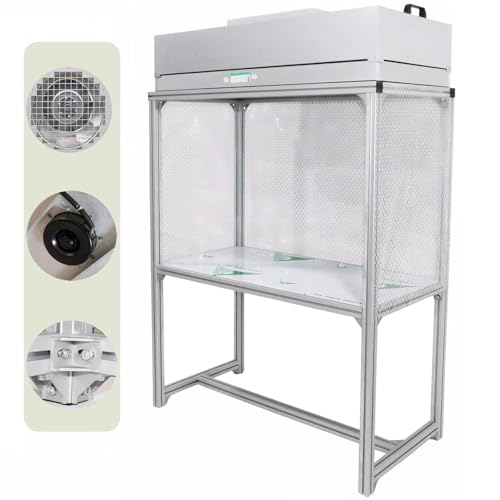
【FFU Industrial Filter Fan】-- This vertical laminar flow hood applies aluminum blade fan, which rated air volume is 706cfm. The fan has a 3-gear switch, and the average air flow velocity through filter is 0.45-0.60 m/s.

Experience superior cooling with the Hessaire MC37M 3100 CFM evaporative air cooler, covering 950 sq. ft. It has a 10.3-gallon tank for up to 3-4 hours of continuous use.
Frequently Asked Questions
Can I Use Essential Oils in Humidifiers Safely?
Essential oils can be used safely in humidifiers only if the manufacturer allows it or if the device is specifically designed for aromatherapy. Adhering to safe usage guidelines guarantees ideal performance and avoids potential device damage.
How Often Should I Replace My Humidifier?
A humidifier should be replaced every year for ideal humidifier maintenance, or every 3 to 6 months in hard water areas. Adhering to a replacement schedule guarantees efficiency and prevents issues with air quality.
Are There Specific Mold-Resistant Humidifier Brands?
Several humidifier brands boast mold-resistant features, including Safety 1st, Honeywell, and Brondell Revive. Regular humidifier maintenance, such as filter replacement and cleaning, is essential to guarantee ongoing prevention of mold growth in these devices.
What Are the Symptoms of Mold Exposure From Humidifiers?
“Where there’s smoke, there’s fire.” Mold symptoms from humidifiers manifest as itchy eyes, respiratory irritation, and skin rashes, particularly affecting those with humidifier allergies. Prolonged exposure can exacerbate asthma and lead to further complications.
Can Mold in Humidifiers Affect Indoor Plants?
Mold in humidifiers can adversely affect indoor plants by lowering plant health. Excessive humidity levels foster fungal growth that harms leaves and roots, stressing plants and increasing vulnerability to diseases and mold infestations.


