As an Amazon Associate, we earn from qualifying purchases. Some links on this site are affiliate links at no extra cost to you. Our recommendations are based on thorough research and editorial judgment.


Using Tap Water In A Humidifier: Risks And Alternatives

Using tap water in a humidifier poses health risks due to microbial contamination and aerosolized minerals and heavy metals. Microorganisms can thrive in standing water, leading to respiratory issues, while minerals can be inhaled as fine particles (PM2.5 to PM10). This exposure raises concerns, especially for children. Instead, using distilled or demineralized water is recommended, as these options effectively minimize health hazards. Understanding these risks helps guarantee safer usage and maintenance practices for humidifiers. More insights await.
Key Takeaways
- Tap water can contain harmful microbes and minerals, increasing the risk of respiratory issues and lung infections when used in humidifiers.
- Aerosolization of minerals and heavy metals from tap water can lead to inhalation of toxic particles, causing respiratory irritation.
- Regularly cleaning humidifiers is essential to reduce microbial contamination and prevent the growth of harmful bacteria like Pseudomonas.
- Drinking water standards do not apply to humidifiers, emphasizing the need for specific regulations addressing inhalation hazards.
- Distilled or demineralized water is recommended for humidifiers, as they minimize health risks associated with microbial contamination and mineral buildup.
Health Risks of Tap Water in Humidifiers
You may be interested
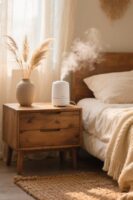


When using tap water in humidifiers, serious health risks can arise due to microbial contamination and mineral buildup. The minerals present in tap water, including calcium and magnesium, encourage the formation of scale inside humidifiers, creating a habitat for bacteria and fungi. Biofilms, visible as scum or film, indicate considerable microbial contamination. When aerosolized, these pathogens may enter the air, posing a risk of lung infections and flu-like symptoms, especially for allergy and asthma sufferers. Regularly cleaning the humidifier and replacing the water are essential practices to improve humidifier health. Alternatives, such as distilled water, can greatly mitigate these risks, ensuring better water quality and a safer environment for susceptible individuals, including young children and the elderly. Additionally, using cool mist units can help provide refreshing moisture while reducing the potential for harmful pathogens in the air.
Recommended Products
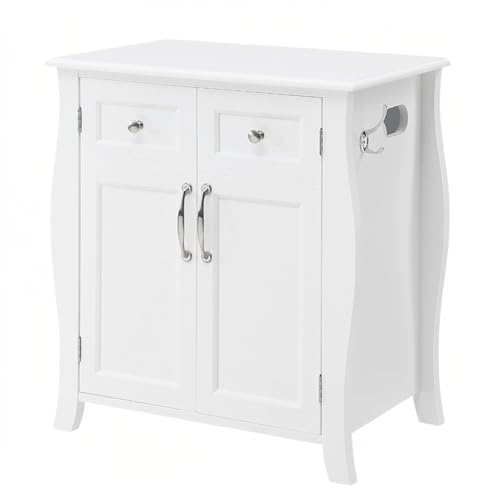
Sleek, purpose-built storage - The Northwood Calliger CPAP Nightstand is designed specifically to accommodate CPAP machines and accessories with a clean, modern wood finish to suit any bedroom.

Helps Extend the Flavor, Taste and Life of Your Cigars, Saving You Money
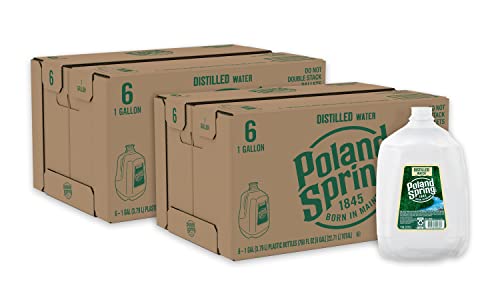
Ideal for use in small appliances, reducing the risk of damaging mineral buildup.
The Dangers of Aerosolized Minerals and Metals

What are the potential dangers associated with aerosolized minerals and metals in humidifiers? Humidifiers that use tap water can create aerosol risks due to dissolved minerals and heavy metals like arsenic and lead. These metals, aerosolized into fine droplets, can be inhaled and lead to respiratory irritation or toxicity. The particle sizes often range from PM2.5 to PM10, allowing deep penetration into lung tissue. Chronic exposure may result in serious health issues, including neurological diseases and cancers. In addition, indoors, aerosolized metals contribute to indoor pollution, settling on various surfaces and increasing long-term inhalation risks, especially for vulnerable populations such as children and the elderly. To minimize these dangers, using distilled or reverse osmosis water is strongly advised, as humidifiers with larger capacities can help maintain humidity without relying on tap water.
Recommended Products

Mist-free evaporative humidification for spaces up to 600 square feet including adjoining spaces that cannot be closed off such as hallways, lofts, and stairways. Based on standard 8-foot ceilings.
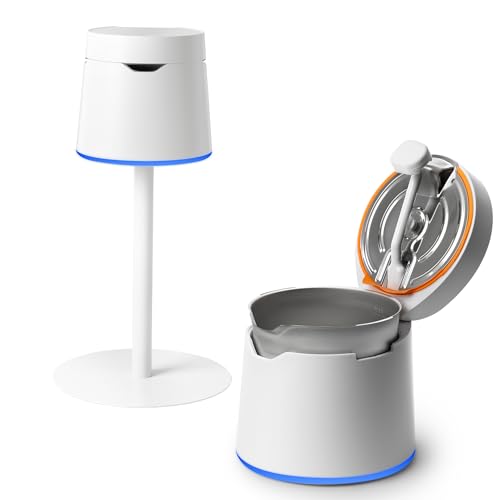
HEALTHIER AIR FOR YOUR FAMILY: Help maintain comfortable humidity with a stainless steel humidifier. Enjoy clean, consistent mist that helps relieve dry skin, allergies, and poor sleep in every room.

HEALTHIER AIR FOR YOUR FAMILY: Hydrate your air with a stainless steel humidifier. Relieve dry skin, allergies, and poor sleep with safe, clean mist for every room.
Understanding Microbial Contamination in Humidifiers

Humidifiers, often regarded as essential appliances for maintaining indoor air quality, can inadvertently become sources of microbial contamination. Bacteria, such as Pseudomonas and Legionella species, may aerosolize into the air, posing risks of respiratory issues. Factors like standing water in tanks encourage microbial growth, making consistent humidifier maintenance vital. Additionally, improper handling can introduce skin flora and environmental microbes into the system. Regular cleaning, ideally on a weekly basis, appreciably lowers microbial concentrations, while infrequent maintenance leads to exponential increases in contamination levels. Scientific observations indicate that high humidity (≥70%) and cooler water temperatures further exacerbate the proliferation of microorganisms. As a result, understanding these dynamics helps users minimize potential health hazards associated with humidifier use. To maintain optimal performance, using the right humidifier cleaning brushes is essential for effective maintenance and hygiene.
Recommended Products

Item Package Dimension: 27.7L x 1.7W x 1.7H inches

Paintbrush cleaner: easy and convenient to use, can effectively help you clean the laboratory condenser

【 Disposable cleaning stick】- This kit provides you with 50 disposable cleaning brushes, which can be discarded directly after use. You do not need to clean them again, which not only saves you time, but also makes them more hygienic. Brings great convenience to your life
Why Drinking Water Standards Don’t Apply to Humidifiers

While drinking water standards are meticulously designed to guarantee the safety of water for human consumption, these regulations do not extend to humidifier usage, creating a significant gap in public health guidance. One major concern involves regulatory discrepancies in exposure routes; drinking water standards focus on ingestion while humidifiers expose users through inhalation pathways. Unlike water consumed orally, particles released by ultrasonic humidifiers can penetrate deep into the lungs. Metals like arsenic and cadmium, present in tap water, become aerosolized and pose respiratory risks, particularly to children. Current regulations fail to address the inhalation hazards associated with these minerals, resulting in insufficient guidance for consumers. Consequently, this absence emphasizes the need for distinct water quality standards tailored to humidifier use. Additionally, humidifiers enhance air quality by adding moisture to the environment, but the source water quality is crucial for ensuring overall safety.
Recommended Water Types for Safe Humidifier Use

Choosing the right type of water for humidifiers is pivotal for ensuring peak performance and health safety. Distilled water is highly recommended as it undergoes a process that nearly eliminates minerals, bacteria, and contaminants. This greatly reduces risks of scale buildup and maintenance frequency. Similarly, demineralized water offers comparable purity, effective in reducing mineral deposits, though it may retain some trace impurities. Purified water is the second-best choice, filtered to remove numerous contaminants; however, it can still contain dissolved minerals, so its effectiveness varies. Filtered water is an improvement over tap water, yet it may still risk mineral buildup over time. Ultimately, distilled and demineralized waters are the most effective for safe and efficient humidifier use. Additionally, using high-quality fabrics in humidifier filters can enhance performance and reduce allergens.
Recommended Products

💧Premium Distilled Water in convenient 1.5 Liter /50.7oz Bottles weigh much less than the 8 pound gallon jug. Much easier to pour from when lower strength is a consideration.
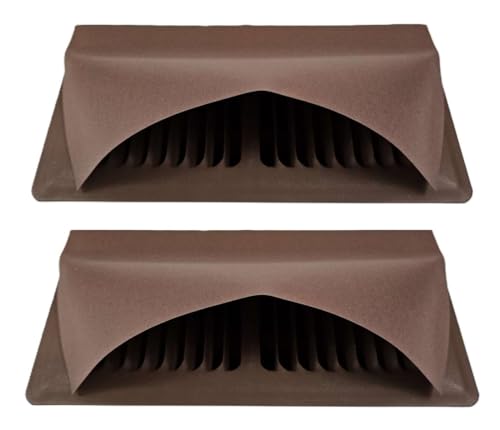
SMART AUTOMATIC OPENING/CLOSING DESIGN: Works like a sail, automatically opening to float above the vent/register when your HVAC system turns on ‒ to catch and redirect airflow in the direction you desire. When your HVAC system shuts off, the EcoSail closes flat against the vent to prevent AC from backflowing/draining thru vents into ductwork where it’s lost. In the winter, closing of the EcoSail keeps heat inside your home where it belongs while helping to prevent cold drafts from entering your home thru vents and connected air ducts. You’ll enjoy a more comfortable home all year round ‒ and potentially lower utility bills.

WHY THIS BOVEDA: 72% RH is for premiums in humidifier boxes made from porous materials, like wood or leather. This slightly higher RH is good if you live in low humidity or high altitudes. Use one 5.25"x3.5" humidifier packet for every 25 TOTAL items your humidifier box can hold. NATURAL INGREDIENTS. Trusted by over 3 million people to protect & maintain items at the perfect humidity level. WE GUARANTEE QUALITY!
Best Practices for Maintaining Humidifier Safety
Maintaining humidifier safety requires diligent attention to a variety of best practices. Regular humidifier maintenance is essential; components should be cleaned every three days or, at a minimum, weekly. Using vinegar-water mixtures or approved cleaning solutions effectively removes scale and biofilm. Disinfection with a 10% bleach solution, followed by thorough rinsing, guarantees that harmful residues do not linger. Daily emptying of the water tank and drying its surfaces curtails microbial growth. Filters must be replaced per the manufacturer’s schedule, typically monthly. Additionally, monitoring indoor humidity levels between 30%-50% prevents mold and dust mites. By adhering to these practices, users can markedly enhance safety and performance, ultimately extending the life of their humidifiers. Furthermore, energy efficiency is a vital consideration when selecting a humidifier, ensuring it operates without significant electricity costs.
Recommended Products
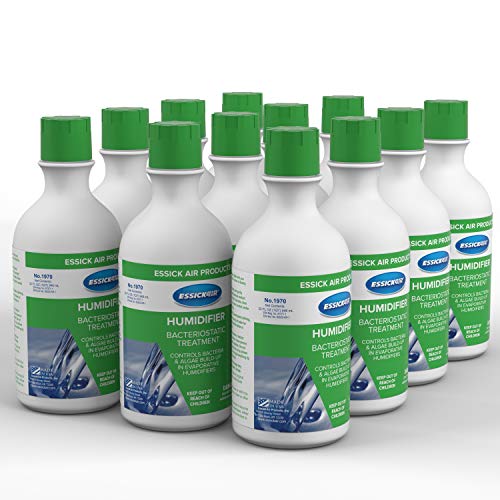
12 -32 Ounce Bottles

[KEEP YOUR AIR FRESH & CLEAN] – Improve the effectiveness of your humidifier and protect your family’s health with the Best Air Humidifier water treatment solution. This humidifier maintenance solution prevents the growth of mold, algae, and other unwanted and harmful elements, ensuring cleaner and fresher air every time.

Frequently Asked Questions
Can I Use Boiled Tap Water in My Humidifier?
Boiled tap water can be used in humidifiers, offering some benefits by reducing microbial contamination. However, exploring water alternatives like distilled water is advisable to minimize mineral buildup and maintain ideal performance. Regular maintenance remains essential.
How Often Should I Clean My Humidifier?
As the saying goes, “An ounce of prevention is worth a pound of cure.” Humidifier maintenance suggests cleaning at least once a week, or every three days for portable models, to guarantee ideal operating conditions.
What Symptoms Indicate Humidifier-Related Illness?
Humidifier symptoms may include respiratory problems, such as coughing and wheezing, along with flu-like signs like fever and sore throat. Allergic reactions, skin irritations, and sinus issues serve as key illness indicators as well.
Are There Specific Humidifier Brands to Avoid?
No specific humidifier brands are universally to avoid; however, ultrasonic models pose higher risks when using tap water. Selecting appropriate water types, like distilled, minimizes health concerns, regardless of brand choice. Maintenance is also essential.
How Does Humidity Affect Indoor Air Quality?
Humidity levels function like a conductor in an orchestra, harmonizing indoor comfort and air quality. Higher humidity can amplify allergens and pollutants, while lower levels may dry mucous membranes, adversely affecting respiratory health and overall well-being.


