As an Amazon Associate, we earn from qualifying purchases. Some links on this site are affiliate links at no extra cost to you. Our recommendations are based on thorough research and editorial judgment.


Air Purifiers Vs Air Cleaners: Differences

Air purifiers and air cleaners differ markedly in their functions and technologies. Air purifiers utilize advanced filtration, such as True HEPA filters, capturing 99.97% of particles as small as 0.3 microns, effectively removing allergens and harmful microorganisms. In contrast, air cleaners primarily target larger particles, focusing on dust, pollen, and pet hair through mechanical filtration methods. They often lack the capability to neutralize gases and odors. Understanding these distinctions is essential for selecting the right solution for cleaner air indoors. Further insights on effective choices are explored.
Key Takeaways
- Air purifiers use advanced filtration technologies like HEPA filters to capture a broader range of pollutants, including gases and microorganisms.
- Air cleaners primarily focus on larger particles and are often integrated into HVAC systems, using passive filtration methods.
- Air purifiers provide real-time air quality monitoring features, while air cleaners generally lack such advanced capabilities.
- Maintenance for air purifiers includes regular filter changes every 3 to 12 months, whereas air cleaners may need more frequent upkeep in high-pollution areas.
- Air purifiers are more effective against allergens and microscopic particles, while air cleaners focus on common airborne allergens like dust and pollen.
Definition and Core Function
You may be interested


Air purifiers and air cleaners are essential devices in the pursuit of improved indoor air quality. Definition clarification between these terms is crucial, as they serve distinct core functionalities. Air cleaners focus primarily on larger particles, utilizing mechanical filtration to capture dust, pollen, and pet hair. They are effective for basic allergen reduction and visible dust control, making them budget-friendly options for smaller spaces. In contrast, air purifiers address a broader spectrum of pollutants, employing advanced technologies like HEPA filters, activated carbon, and UV-C light. This enables them to neutralize not only particulate matter but also gases, odors, and harmful microorganisms. Ultimately, understanding these definitions supports informed choices tailored to specific indoor air quality needs and environments. Moreover, air purifiers featuring True HEPA filters are essential for capturing particles down to 0.1 microns, crucial for virus protection.
Technology and Mechanisms

Effective indoor air quality management relies heavily on the technologies and mechanisms employed within air purifiers and air cleaners. Air purifiers primarily utilize various filter types, including HEPA filters, which capture particles with 87-99% efficiency. Electrostatic filters and UV light mechanisms enhance sanitation by attracting and neutralizing pathogens. In contrast, air cleaners often integrate passive filtration systems into HVAC setups, focusing on removing larger particles and volatile organic compounds. The technology evolution in air filtration has driven innovation, providing effective solutions for different needs. Mechanical filters used in air cleaners may not always meet HEPA standards but can still be efficient. Understanding these mechanisms is essential for selecting an appropriate system for improving indoor air quality. Additionally, many air purifiers, like the WINIX 5510, offer advanced features such as real-time air quality monitoring to enhance user experience.
Recommended Products

Multiple Filtration: DecDust V2 Pro Air scrubber commercial with 3-stage filter system, used with pre-filter, HEPA filter which captures 99.97% of 0.3-micron airborne particles such as smoke, pet dander, wood chips, and debris allergens, etc. Heavy-duty air scrubbers are ideal for use in large commercial spaces to improve air quality.

Families who want clean and healthy air at home.

Maximum Coverage, Cleans Large Spaces up to 1,875 sq ft every hour, 937 sq ft every 30 minutes.
Pollutant Removal Capabilities

Pollutant removal capabilities play a significant role in determining indoor air quality, leveraging various technologies to address a multitude of airborne contaminants. HEPA filter-based air purifiers achieve impressive filtration efficiency, removing 99.97% of particles as small as 0.3 micrometers, effectively capturing various particle types like pollen, smoke, and pet dander. Air cleaners integrated with HVAC systems can filter common airborne pollutants, including larger allergens. While air scrubbers use filters similar to HEPA, they do not remove gases effectively. Portable air purifiers primarily target allergens but require surface cleaning for settled pollutants. In addition, the clean air delivery rate (CADR) influences how quickly these devices can remove particulates, highlighting their varying effectiveness based on airflow and design. Additionally, devices like the DBFIT HEPA Double-Sided Air Purifier excel in covering extensive areas, enhancing overall air quality.
Recommended Products

Advanced HyperHEPA Filtration: Designed to remove and trap 99.995% of all airborne particles down to 0.003 microns, the Atem X supplies unequaled protection against dust, pollen, pet dander, smoke from wildfires, and more. True HEPA filtration

3-Stage Filtration System: AlorAir Cleanshield HEPA 550 Air Scrubber build with Airflow 270-550 CFM with Variable Speed as a portable HEPA air purifier. It can be used with up to 3 levels of filtration, pre-filters, activated carbon/HEPA filters.

Application and Placement

When considering the application and placement of air purifiers and air cleaners, specific environments influence their effectiveness. Air purifiers are ideally used in personal spaces, such as bedrooms and offices, where focused zones of cleaner air are desired. They should be installed 6-10 feet from primary occupancy areas, maintaining a height of 3-5 feet for best pollutant capture. In contrast, air cleaners, often integrated into HVAC systems, have diverse installation requirements and can provide extensive air treatment throughout a home. Their device portability varies; portable units offer localized treatment, while whole-house systems promote consistent air quality. Accessibility for maintenance is also essential, especially for portable models that require regular filter replacement. Additionally, real-time air quality monitoring features in some air purifiers can enhance their effectiveness by providing immediate feedback on air conditions.
Recommended Products


The OS12500 is the most powerful portable ozone generator and is perfect for deodorizing and eliminating odors in extra- large spaces such as locker rooms, banquet halls, hotel suits, apartments, offices, restaurants, and commercial properties. It will eliminate even the most severe odors caused by tobacco, smoke, pets, water and flood damage and more

【Low Energy Consumption and Sufficient Power】:Built-in super-energy atomizing and humidifying parts,high energy efficiency ratio,large atomizing amount,and atomizing particles are only 3-5um.Consumes only 1/15-1/10 of the energy of other humidification methods.
Maintenance and Cost

Proper maintenance and cost management play essential roles in the effectiveness and longevity of air purifiers and air cleaners. Air purifiers have complex maintenance schedules, with filters needing replacement every 3 to 12 months. These costs can vary considerably; replacement filters range from $10 to $40. Additionally, the upkeep of components, such as UV lamps, adds ongoing expenses. Conversely, air cleaners require more frequent filter changes, particularly in high-pollution areas, which can lead to higher long-term costs. The initial purchase price of air purifiers is often more substantial, reflecting their advanced technology. A thorough cost analysis of both systems is key for consumers, ensuring informed decisions that balance maintenance requirements with air quality needs for ideal performance. Furthermore, regular maintenance is critical to prevent mold growth and ensure the systems operate efficiently.
Recommended Products

3-pack filter replacement bundle: Genuine replacement filters from IQAir! Designed for our advanced HealthPro Plus room air purifiers, this 3-pack 3-in-1 IQAir filter bundle includes three long-lasting replacement filters: PreMax Pre-Filter, V5-Cell Gas and Odor Control Filter, and HyperHEPA Filter.

WHOLE-HOME AND EXTRA LARGE ROOM COVERAGE Designed for open floor plans and whole-home air purification. Rapidly cleans 1,043 ft2 in 15 minutes & up to 4,172 ft2 in 1 hour, delivering consistent purification where you sleep, work, and relax.

5-Pack HEPA Replacement Filter: Genuine HyperHEPA replacement for IQAir HealthPro Series Air Purifiers
Health and Performance Considerations
Health and performance considerations are essential factors to assess when choosing between air purifiers and air cleaners. Air purifiers equipped with HEPA filters can trap 99.97% of particles as small as 0.3 micrometers, greatly aiding in allergens control. This effectively improves respiratory protection for individuals with asthma or allergies by reducing airborne agents like dust and pollen. In contrast, typical air cleaners primarily target larger particles; as a result, they may fall short in addressing fine particulate matter and volatile organic compounds (VOCs). Additionally, some ionic electrostatic air cleaners can generate ozone, a harmful respiratory irritant. For maximum health benefits, proper sizing and placement of air purification devices are essential, along with regular maintenance to guarantee sustained efficacy. Choosing a model with True HEPA filters ensures optimal performance and air quality improvement.
Key Differences Explained
While selecting between air purifiers and air cleaners, understanding the key differences is vital for making an informed decision. Air purifiers utilize various technologies, including HEPA filters that capture particles down to 0.3 microns, activated carbon for gases, and sometimes UV light for pathogens. In contrast, air cleaners primarily address particulate matter like dust. Performance metrics differ as air purifiers usually offer lower air changes per hour compared to extensive systems like air scrubbers. Additionally, device compatibility is significant; air purifiers are often portable, while air cleaners integrate into HVAC systems for whole-home coverage. Maintenance costs vary, with air purifiers requiring filter replacements every 6-12 months, contrasting sharply with the maintenance needs of more comprehensive air cleaning solutions. Regular use of HEPA filters can significantly enhance indoor air quality by capturing allergens effectively.
Choosing the Right Device for Your Needs
Selecting the appropriate device for air quality management involves considering various factors tailored to individual needs and environmental conditions. Device selection should prioritize user preferences, such as the types of pollutants present. For example, allergy sufferers may benefit from HVAC-integrated air filters that target larger particles like dust and pollen. Conversely, those affected by odors, smoke, or microorganisms will find air purifiers with HEPA and activated carbon filters more effective. HEPA purifiers can remove 87-99% of particles as small as 0.3 microns, while activated carbon filters help capture gases and odors. Maintenance frequency and costs, such as replacing HEPA filters every 6-12 months, should also inform decisions. Additionally, considering real-time air quality monitoring can enhance the effectiveness of the air purification process. Ultimately, effective air quality management requires evaluating specific needs and room configurations.
Recommended Products
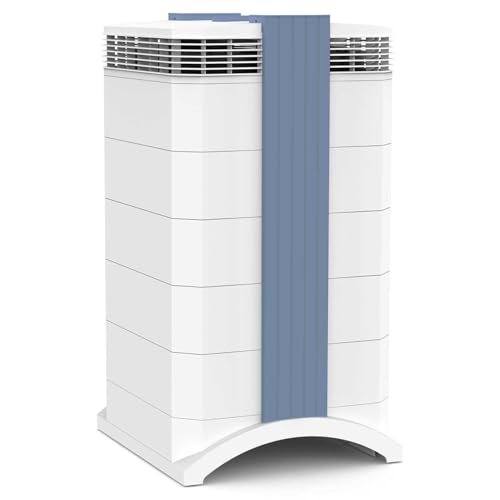
COMPREHENSIVE MULTIGAS FILTRATION - The GC MultiGas XE by IQAir features advanced filtration for chemicals, tobacco smoke, odors, and airborne contaminants. Designed for large rooms, it combines HyperHEPA filtration, activated carbon, gas cartridges, and post-filter sleeves to help capture 99% of targeted pollutants.

One Dri-Eaz HEPA 700 Air Scrubber with Optional Activated Carbon Filter, 700 CFM, large room air purifier

Common Misconceptions
What common misconceptions exist regarding air purifiers and air cleaners? Many believe that air purifiers eliminate the need for regular dusting, yet while they reduce airborne dust and allergens, they do not stop dust from settling on surfaces. Regular cleaning remains essential. Another myth is that filters effective at 0.3 microns capture all particles; however, smaller pollutants can pass through standard HEPA filters. Additionally, some claim that air purifiers lower humidity, but these devices do not influence moisture levels in the air. Finally, the idea that purifiers are unnecessary in clean homes overlooks the presence of microscopic contaminants. Importantly, advanced filtration systems are designed to capture a wide range of pollutants, making them beneficial even in seemingly clean environments. Understanding these common misconceptions is vital for improving indoor air quality effectively and making informed choices about air cleaning systems.
Future Trends in Air Quality Solutions
As advancements in technology reshape the landscape of air quality solutions, a significant emphasis is placed on real-time monitoring and global connectivity. Future innovations, such as IoT sensor integration, will allow cities to access near-real-time air quality data, crucial for efficient urban planning and responsiveness to pollution events. Additionally, AI and machine learning will transform data analysis, identifying trends and recommending tailored mitigation strategies. Emerging technologies, including portable air purifiers and smart filters, enhance indoor air quality with improved energy efficiency. Stricter global regulations are also driving the adoption of advanced filtration systems. As public awareness of air quality issues grows, the demand for effective solutions will continue to escalate, underscoring the need for these developments. Moreover, energy-efficient models like those with Energy Star certification will play a crucial role in reducing operational costs for consumers.
Frequently Asked Questions
Do Air Purifiers Eliminate Odors Completely?
Like a painter who never quite captures the subject, air purifiers rarely eliminate odors completely. Effective odor removal hinges on filter types, particularly activated carbon, while persistent smells often require additional cleaning methods beyond air purification.
Can Air Cleaners Reduce Indoor Humidity Levels?
Air cleaners do not reduce indoor humidity levels; their primary function is to improve air quality by removing airborne contaminants. For effective humidity control, specialized devices like dehumidifiers are necessary to manage moisture levels properly.
Are Portable Air Purifiers Effective for Large Rooms?
In large rooms, where air swirls like a dance, portable air purifiers can only provide effective coverage if matched to room size, ensuring high Clean Air Delivery Rates for ideal particle reduction.
How Noisy Are Air Purifiers During Operation?
Air purifiers typically operate at noise levels ranging from 30 dB to 70 dB, depending on fan speed. Higher speeds increase noise while improving filtration, emphasizing the importance of balancing sound and air quality.
Do Air Purifiers Require Special Electrical Outlets?
Air purifiers do not require special outlets; they typically operate with standard plugs. Ensuring electrical compatibility is essential, as many units support various voltages, simplifying use across different regions without additional setups or modifications.


